

In the quiet, pastoral landscape of Kings Sutton, Northamptonshire, an ordinary Thursday afternoon was violently interrupted by the crackling roar of an unexpected wildfire. The date was August 13th, and the tranquil countryside, which had been basking in the oppressive heat of a relentless heatwave, became the stage for a dramatic struggle between the elements and the delicate creatures that call it home. The blaze, which erupted just after 3pm, tore through dry grass and ancient hedgerows with terrifying speed, sending thick plumes of smoke spiraling into the cerulean sky. For the human residents, it was a frightening reminder of the power of nature, but for the smaller inhabitants of the hedgerows, it was an immediate, existential crisis—a desperate flight for survival against an inferno that consumed everything in its path. This was the chaotic scene that greeted the brave firefighters from Towcester station, who answered the call to battle the flames, unaware that their mission would soon extend beyond extinguishing a fire to performing an act of profound compassion.
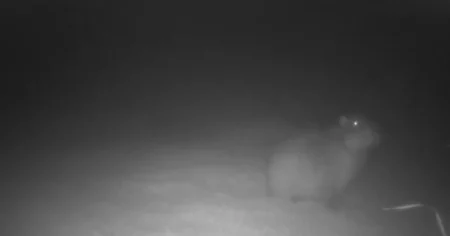
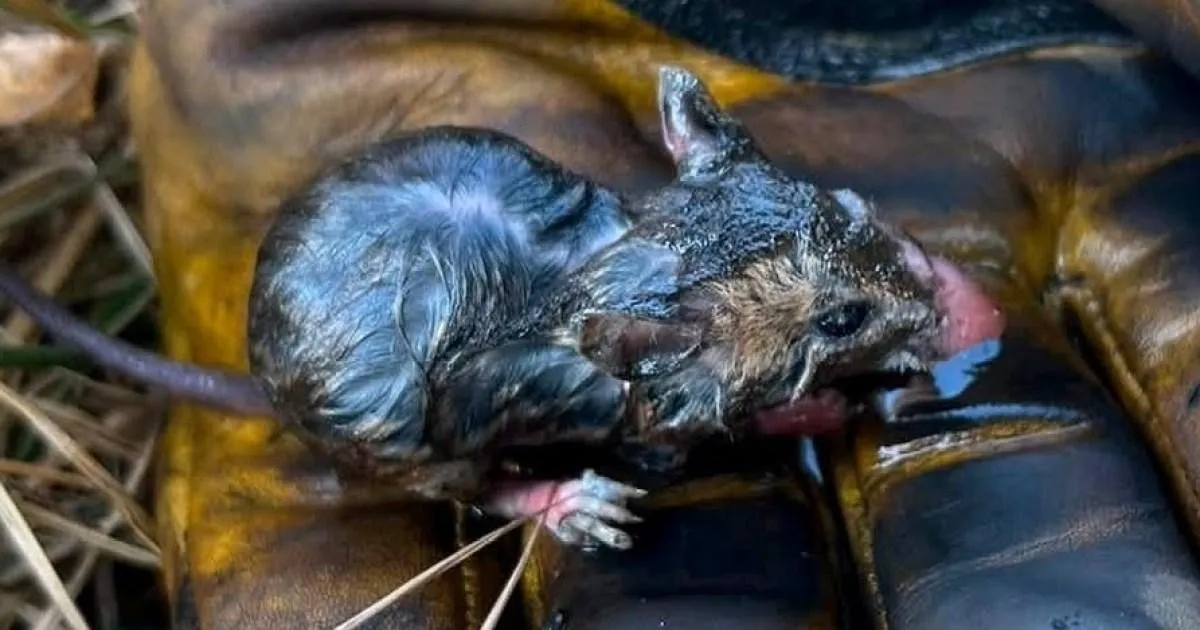
As the firefighters valiantly battled the encroaching flames, wielding their hose reel jets and beaters against the fiery onslaught, a remarkable spectacle unfolded before their eyes. Amidst the acrid smoke and swirling ash, a tiny, long-tailed field mouse emerged, darting frantically in and out of the smoldering undergrowth. The little creature, no bigger than a child’s thumb, was a blur of motion and desperation, its survival instincts screaming as it zigzagged between patches of scorched earth and burning brush. It was a stark and poignant image of vulnerability against a backdrop of overwhelming destruction. The firefighters, their focus momentarily shifted from the macro to the micro, watched in awe as this miniature survivor fought a seemingly losing battle against the inferno. Recognizing the imminent danger to such a small life, they made the spontaneous and heartwarming decision to intervene, transforming their rescue operation into a delicate mission to save one of the smallest victims of the disaster. The scene was one of surreal juxtaposition: burly firefighters, covered in soot and sweat, carefully pursuing a tiny mouse through the burning debris.
Finally catching the singed and exhausted animal, the crew cradled the trembling mouse, its fur singed and its tiny heart pounding with terror. In a moment of extraordinary tenderness, they offered the creature water, a simple act of humanity that resonated deeply amidst the fiery chaos. The mouse, seemingly understanding the kindness, gratefully lapped up the life-saving liquid, a small sign of life and resilience in the face of overwhelming odds. After ensuring the little animal was hydrated and its condition stable, the firefighters made a crucial decision. They knew that a life alone in the wild, especially after such a traumatic event, was precarious. Their search for safety led them to discover a family of mice in a nearby, unburnt portion of the hedgerow. With immense care, they relocated the rescued mouse to this safe haven, reuniting it with what they hoped was its kin. The image of the firefighters releasing this tiny creature back into the safety of the green foliage provides a powerful counterpoint to the destruction, highlighting the capacity for empathy and the importance of protecting even the smallest members of our ecosystem.
The cause of the blaze, as investigators later determined, was a stark reminder of how human carelessness can inadvertently create catastrophic consequences for nature. The fire was believed to have been started accidentally by sunlight reflecting off a piece of broken glass, the rays concentrating with enough intensity to ignite the tinder-dry grass. A discarded bottle, carelessly tossed into a hedgerow, had acted as a magnifying glass, turning the sun’s energy into a destructive laser that sparked a wildfire. This simple act of littering, often considered a minor nuisance, had created a disaster that endangered homes, threatened human lives, and resulted in the incineration of countless animal habitats. The firefighters from Towcester used thermal imaging cameras to meticulously identify and damp down any remaining hotspots, ensuring that the danger was truly extinguished, but the underlying message was clear: in the midst of a heatwave, the environment was a tinderbox, and a moment’s negligence could ignite a tragedy. The incident served as a critical, real-world lesson on the immense power of environmental conditions and the fragility of the natural world.
This tiny mouse’s struggle for survival is a poignant microcosm of a much larger, more pervasive crisis. The nation was in the grip of a severe heatwave, with conditions so dry that the government issued an urgent emergency alert to citizens across England and Wales. The message was stark and unequivocal: avoid lighting anything that could potentially spark a wildfire, including campfires, barbecues, and fireworks. The landscape, parched and brittle, was a massive fuel source, awaiting only a spark to be transformed into a raging inferno. The firefighters’ encounter with the field mouse gave a face and a name to the stakes of this warning. It turned the abstract concept of “wildlife damage” into a tangible, heartrending story of a small creature running for its life. The story of the mouse humanized the crisis, reminding the public that the dry conditions were not just a threat to property and human convenience, but a death sentence for the millions of animals—from insects and birds to small mammals—who had no escape from the flames and no warning of the danger.
In the aftermath of the blaze and the heroic rescue, Northamptonshire Fire and Rescue Service released a statement that captured the emotional essence of the event. A spokesperson described the mouse as “miraculous,” a word that perfectly encapsulates the improbability of its survival amidst the raging fire. They recounted how a crew member spotted the creature “scurrying amongst the smouldering undergrowth,” painting a vivid picture of the frantic escape. The official narrative detailed the firefighting efforts, the use of thermal imaging cameras to find hidden hotspots, and the eventual cause of the fire. But it was the personal touch—the story of the heartwarming reunion with its family—that truly resonated. The force used this incident to reiterate vital safety advice, urging the public to dispose of glass bottles and other litter responsibly, particularly during prolonged periods of hot weather, emphasizing that seemingly insignificant items can pose a severe fire risk. This small act of heroism provided a glimmer of hope and a powerful, resonant message about responsibility, compassion, and the unexpected ways in which we can make a difference in the world around us. The story of the miraculous mouse serves as a testament to the fragility of life, the importance of environmental stewardship, and the enduring power of human empathy, even in the face of nature’s most destructive fury.