


Here is the heartwarming story of three fox cubs, told in human detail, from their harrowing rescue to their triumphant return to the wild. This narrative expands upon the original news report to explore the emotions, dedicated efforts, and profound relief of all those involved.
—
The frantic, high-pitched cry was not one that usually belongs in the narrow alleyway between two terraced houses on Letchworth Road in Leicester. It was a sound of pure panic and distress, a sound that cut through the quiet of Easter Sunday and prompted a concerned resident to investigate. Following the noise, they found themselves peering into the dark, damp space between their home and the neighbour’s – a slim, unforgiving crevice of only about six inches wide. There, wedged in the gloom and grime, were three pairs of terrified eyes. The tiny, vulnerable fox cubs, no bigger than a couple of hands in size, had managed to squeeze their way into the gap, lured perhaps by a scent or simple curiosity, only to find themselves trapped as the walls closed in behind them. Their plaintive cries for their mother were a clear SOS, a call to any good samaritan within earshot that something was terribly wrong. It was a desperate situation, and it was clear that immediate action was required to save the terrified animals from a slow and tragic end. Quickly, the resident realized this was a job for professionals and raised the alarm, summoning the help of the local fire service to the scene.
Within a short time, the technical rescue team from the Leicestershire Fire and Rescue Service arrived, their truck eliciting gasps from the growing crowd of neighbours who had been drawn outside by the commotion. The team assessed the situation with a practiced eye, understanding the delicate balance of the rescue. The gap was too narrow for a human to fit through, and attempting to pull the cubs out by hand could cause them terrible injury. The homeowner, seeing the unfolding drama and hearing the pitiful sounds from behind their own wall, was immediately cooperative when the firefighters proposed their plan: they would have to knock a hole in the garage wall to access the animals safely. It was a bold move, but one that turned the situation from a rescue mission into a demolition project in the name of compassion. Wielding sledgehammers and pneumatic tools, the team carefully began to break through the brickwork, the noise and dust a stark contrast to the quiet Easter afternoon. Each blow brought them closer to the creatures, but also risked frightening them further. As they finally broke through, they discovered the source of the desperate plea for help: not one, but three tiny, frightened faces huddled together. Carefully, the firefighters reached in, their large, gloved hands gentle as they extricated each stunned and dusty cub, bringing them blinking into the light of day. It was a moment of pure triumph, a successful rescue that had been a true community effort.
The three traumatized cubs, just 12 weeks old and barely weaned, were immediately rushed to the specialist care of the Leicestershire Wildlife Hospital. There, the gravity of their ordeal became clear. They were scared, cold, and showed the early signs of distress, but their journey was far from over. The dedicated veterinary team gave them a thorough check-up, cleaning the grit and dust from their fur. The most concerning of the three, a tiny female, was in a critical condition, struggling to breathe. She was placed on oxygen therapy, gently fitting a mask designed for a small animal like a cat or rabbit over her nose, her little chest heaving with the effort to stay alive. The veterinary staff watched over her all through the night, a silent vigil of hope in the animal hospital’s dimly lit intensive care unit. Their experienced hands and the sheer will to live of the little animal paid off, and by sunrise, she had turned a corner. The other two, while distressed, were in better shape and began to voraciously lap up the specialist milk formula, their survival instincts kicking in. Over the following weeks, the three grew stronger under the constant care of the volunteers, who fed them, cleaned them, and, most importantly, helped them rediscover their natural instincts.
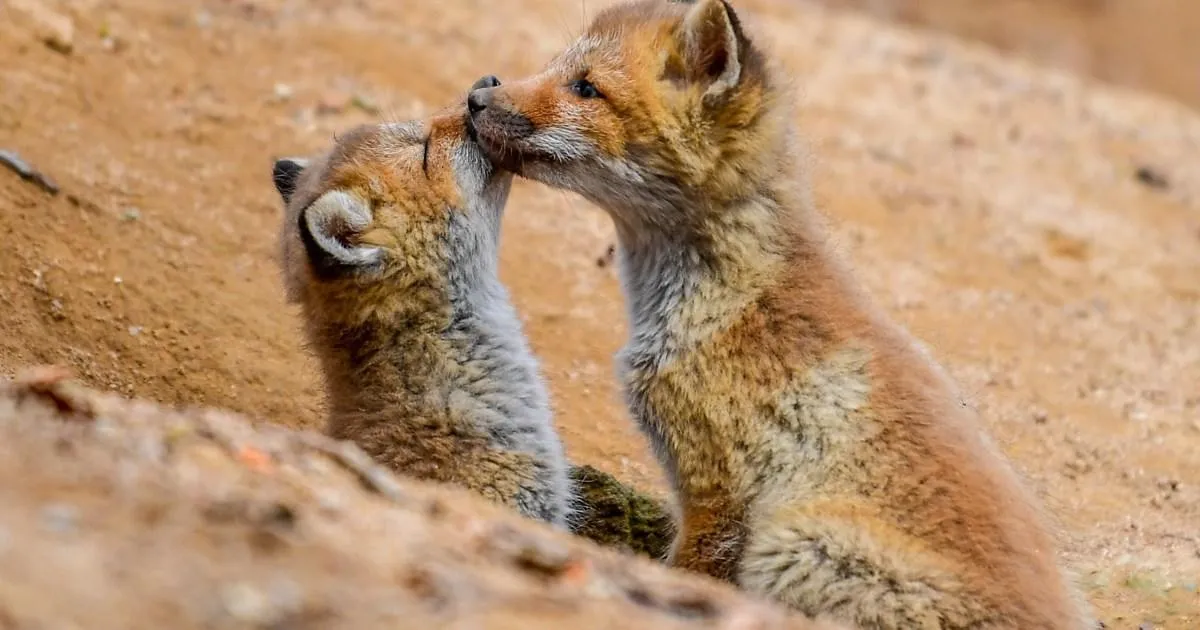
The real work, however, was just beginning. It wasn’t enough to simply nurse them back to physical health; they had to be prepared for a life back in the wild. The team at the hospital knew that a fox that becomes too reliant on humans is a fox that has no future. So, they devised a careful regime of ‘enrichment’ activities. The cubs’ enclosure was filled with deep leaf litter and soil. The staff would hide the dead chicks and other food items under large logs, forcing the young foxes to use their incredible sense of smell to track down their dinner. They would bury food underground in the dirt, mimicking the caches a vixen would make for her cubs. The goal was to encourage the natural behaviors of scratching, digging, and foraging, turning them into skilled hunters before they were reintroduced to the wild. Alyssa Brower, the team leader, explained the process: “They’ve been digging holes like they would dig a den. This is a great sign. Their natural instincts are intact and strong.” They were also given a quiet, safe space to observe the world, to learn the sounds and smells of the garden they were in, and to bond with each other, establishing a strong sibling dynamic that would be crucial for their survival as a family unit in their new territory.
Finally, after over a month of dedicated care, the day for their release arrived. The trio was loaded into transport cages, and the team at the hospital, along with a heavy dose of nervous anticipation, drove them to a secret location—a sprawling area of dense woodland and wildflower meadows, far from prying eyes and busy roads. Ms. Brower described the moment of truth: “It was quite an exhilarating feeling seeing them go back into the wild. It’s a feeling of relief and excitement for their future out there as well.” With a gentle clang, the trapdoors were lifted. For a heart-stopping moment, the cubs hesitated. Then, in a rustle of red fur and bushy tails, they bolted out as a unit, disappearing into the undergrowth as if they were always meant to be there. They will be support-fed for at least two weeks, with food left out for them as they find their feet and learn to hunt on their own. But for the dedicated volunteers and firefighters, it was a profound victory. They had been given a second chance at a wild life, a testament to the power of human compassion, the skill of animal rescue, and the resilience of nature itself. It was a small victory for the wild, one good thing in a world that often overlooks the smallest of its citizens.