



The approval of a major redevelopment at the historic Truman Brewery site on Brick Lane has ignited a firestorm of controversy, pitting the government’s vision for urban modernization against the passionate defense of one of London’s most cherished cultural hubs. Angela Rayner, acting through housing minister Matthew Pennycook, has given the green light to a sweeping transformation of the sprawling site. The project promises to turn the iconic, industrial space into a multifaceted complex featuring a data centre, office suites, a cinema, a supermarket, and 44 new residential units. While the government frames this as a significant economic engine that will provide vital digital infrastructure for the nearby City of London’s financial sector, the news has landed with a heavy heart for many residents who see this as a turning point for an area defined by its unique heritage.
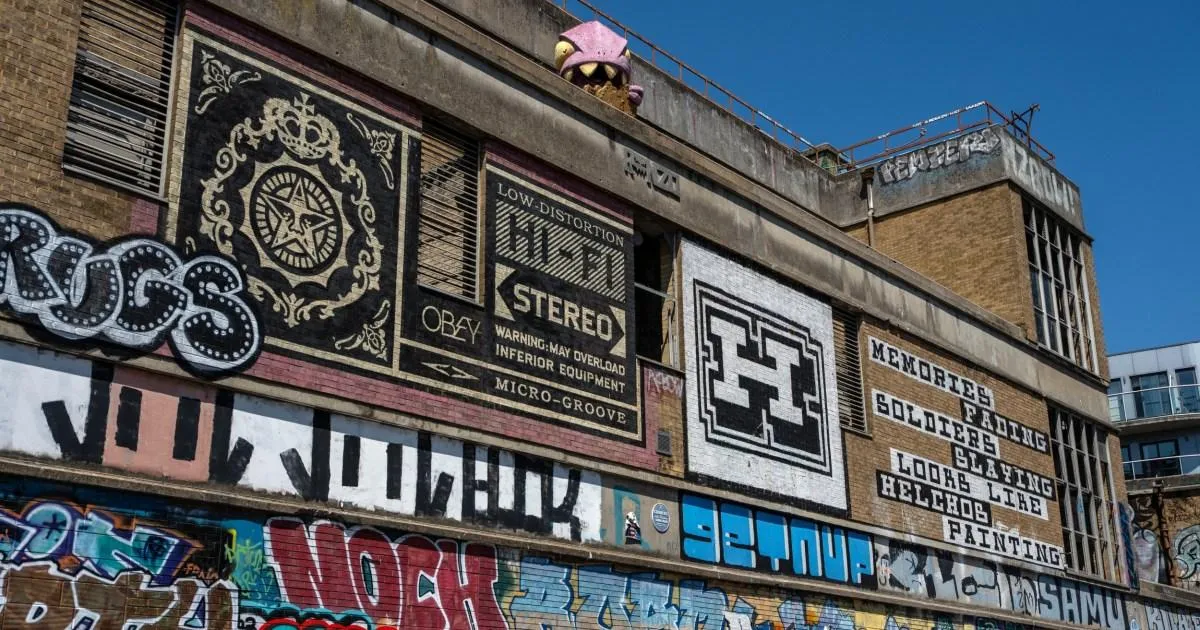
At the heart of the conflict is the preservation of “Banglatown,” a vibrant enclave that has served as the spiritual and cultural anchor for London’s Bangladeshi community for generations. Brick Lane is internationally recognized for its sensory-rich identity—the heady aroma of its world-famous curry houses, the persistent hum of independent shops, and the raw, artistic graffiti that marks its brick walls. Locals and activists argue that the introduction of a high-tech data centre is fundamentally incompatible with this grassroots environment. For them, the site’s historical significance, punctuated by the looming, dormant chimney of the Truman Brewery, should be a catalyst for community-led renewal rather than a playground for corporate utility.
The Save Brick Lane Coalition, led by figures like Saif Omani of the Bengali East End Heritage Association, has been unyielding in its opposition, labeling the government’s decision a “planning disaster.” They argue that the interests of major commercial developers have been prioritized over the pressing needs of the existing population. Far from conceding, the coalition is already mobilizing for a legal battle, signaling that the community’s fight to safeguard their neighborhood’s soul is far from over. Omani and his supporters maintain that the government has turned a deaf ear to local voices, choosing to facilitate a digital hub in an urban space that relies on the warmth of human connection rather than the cold, mechanical hum of server racks.
The government’s position, however, hinges on the belief that the long-term regeneration of the site justifies the disruption. Minister Matthew Pennycook acknowledged the intense local opposition and the community’s valid concerns regarding housing, but maintained that there was no viable, evidence-backed alternative that could achieve the same economic impact. The state has effectively determined that the broader benefits—modernizing London’s infrastructure and breathing new life into a vast, underutilized site—outweigh the objections raised by residents who fear the encroachment of corporate interests will permanently alter the character of the street.
Local residents like Deba Malique are particularly vocal about the missed opportunities in this development, specifically criticizing the lack of genuine affordable housing. As rental costs in London soar to unsustainable levels, Malique and others argue that the project leans too heavily toward luxury living and high-end commercial space, which could inadvertently drive up the cost of living for those already struggling to stay in the area. They contend that the development offers little to the actual residents of Tower Hamlets, failing to honor the area’s history or provide the social infrastructure that the neighborhood actually cries out for, such as low-cost homes and space for local independent enterprise.
As the dust settles on the government’s announcement, the future of Brick Lane hangs in a delicate balance. It represents a microcosm of a wider tension playing out across London: the struggle to modernize a world-class city without losing the eccentric, storied, and diverse communities that made it world-class in the first place. Whether this redevelopment becomes a beacon of progress or a cautionary tale of lost identity will likely be debated for years to come. For the activists standing on the front lines, the battle to preserve the character of the East End is not just a disagreement over zoning or planning, but a fundamental fight for the right of a community to define its own future in the face of inevitable change.