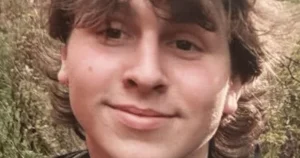


In the quiet borderlands between Derbyshire and Leicestershire, where the market towns of Swadlincote and Ashby-de-la-Zouch sit like old friends separated by rolling fields, a community has been left shattered by a grief that no amount of search parties or prayer vigils could prevent. For days, the name James Corlett had been on everyone’s lips—spoken in worried whispers at bus stops, in kitchen conversations over tea, in frantic social media posts shared by strangers who hoped against hope. The eighteen-year-old, described by those who knew him as a familiar and much-loved presence, had stepped out for a night in Ashby-de-la-Zouch on Thursday, October 29, and never made it home. His family waited through the long, restless night, through the grey dawn, through the terrible silence. When he did not answer calls or messages, when no one had seen him, when the hours stretched into a second day, the fear became too great to hold alone. They reported him missing, and the machinery of hope and dread began to turn. Police launched an urgent appeal, not with the sterile language of procedure, but with raw human worry in their voices. They said they were “extremely concerned” for his welfare, and they called his disappearance “completely out of character.” Those three words—out of character—carried a world of meaning. This was not a boy who vanished on a whim, not a teenager testing boundaries or seeking a little drama. This was a young man whose ordinary reliability made his absence feel like an alarm bell ringing in an empty house.
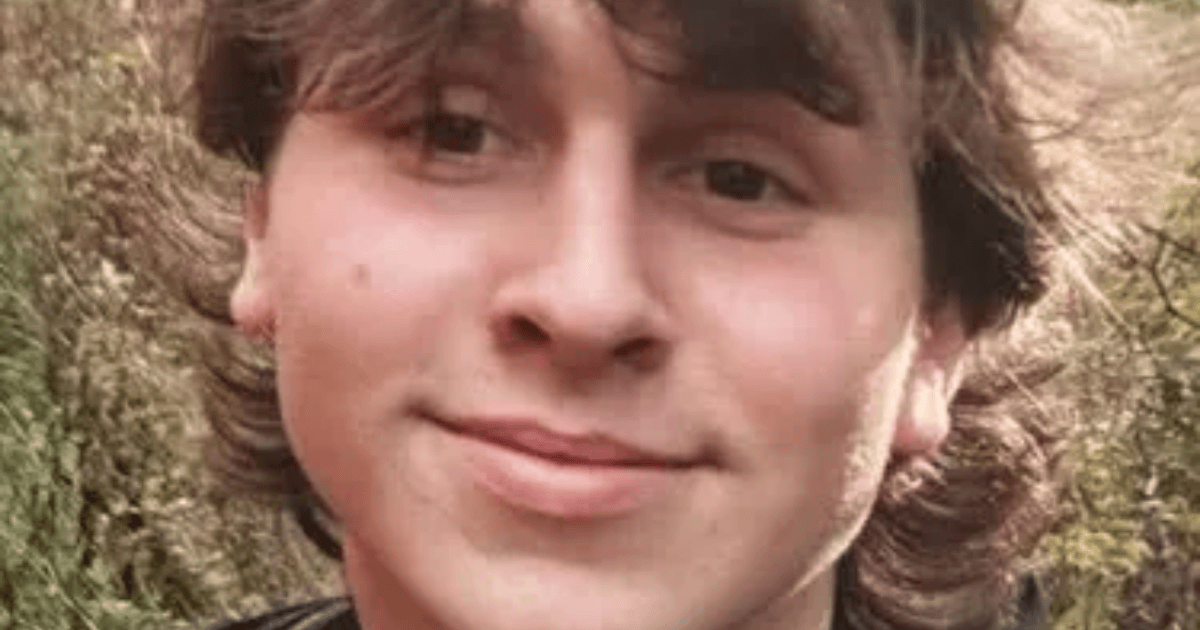
The portrait that emerged from the police appeal was achingly specific, the kind of detail that makes a missing person real in the minds of everyone who reads it. James was white, around six feet four inches tall, with brown hair. On the last night he was seen, he wore jeans, a brown jumper, and black trainers. These are just clothes, just measurements, but to his family they were the very texture of his life—the jumper he might have grabbed without thinking, the trainers that had carried him through countless ordinary streets. The appeal asked for “urgent help” from the public, and the public responded. People shared his photograph across social media, their captions trembling with anxiety and affection. Volunteers talked about joining searches, scouring canal paths, parklands, and the quiet corners of Ashby where a young man might have wandered or stumbled or simply disappeared. Local news outlets, including Metro, carried the story with the kind of coverage that hopes to do good: putting a face to the fear, asking anyone with information to step forward. Derbyshire Police coordinated the effort, but they were not alone. The community became a living net, cast wide over fields and footpaths, over pub car parks and residential streets. Everyone wanted to find James. Everyone wanted to bring him home. But even as they searched, there was a heaviness in the air, a sense that some stories do not end with a relieved phone call and a smiling reunion.
Sadly, the worst of those fears were realised this evening, when the search came to a devastating end. James’s body was discovered in Ashby, not far from where his night out had begun. The announcement was made with the careful, sorrowful language that police use when they must tell the world that hope has run out. A spokesperson for Derbyshire Police said: “His family have been informed and are being supported by officers at this difficult time. The death is currently being treated as unexplained, and further enquiries continue to be carried out.” Those sentences are measured, almost clinical, but behind them lies an unbearable human reality. A mother and father have lost their son. Friends have lost someone who laughed with them, argued with them, sat next to them on the sofa. An eighteen-year-old’s future—all the birthdays, first jobs, loves, and adventures that should have been waiting—has been extinguished in a way that nobody yet fully understands. “Unexplained” is a word that leaves a thousand questions unanswered. It offers no comfort, no closure, only a procedural placeholder while investigators work to piece together what happened. For the family, still being supported by officers, the shock must be all-consuming. For the wider public, the phrase stands as a reminder that sometimes death arrives without a neat narrative, without warning, and without the courtesy of an explanation.
In the midst of this darkness, a voice of grief and compassion emerged from an unexpected place: Samantha Niblett, the Member of Parliament for South Derbyshire, who took to Facebook with a message that spoke not as a politician but as a neighbour aching for her constituents. She wrote that she was “so very sad to read an update from James’ dad Alan that James is no longer with us.” There is something profoundly moving in the small detail embedded in those words—that James’s father, Alan, had been the one to share the news, a father forced to announce to the world that his child would not be coming home. Niblett extended her thoughts to Alan and to James’s mum Ali, to their family and friends, and she described their loss as “unimaginable pain.” She thanked those who had rallied together to search for James, acknowledging the communal effort that had defined the days since he disappeared. And then, in a plea that deserves to be repeated everywhere, she asked for kindness. “If they read anything online it should be kind words and consideration, no speculation,” she wrote, adding in a later comment: “I know people mean well, but this isn’t the time nor post for that.” It was a simple, necessary reminder that grief is not a forum for armchair detectives, that social media can be a place of comfort or a place of cruelty, and that a family in mourning should never have to read theories about their beloved son as if he were a case study.
The community’s response has been a testament to the bonds that hold small towns together in times of sorrow. In Swadlincote and Ashby, people did not wait to be asked. They organised searches, they shared information, they stood at street corners with flyers and worried expressions. They made sure that James’s face was seen, that his name was not forgotten, that the search for him remained a priority long after the initial panic of a missing person report might have faded. When the news broke that his body had been found, the online spaces that had been filled with hopeful posts turned suddenly quiet, then filled with messages of condolence and heartbreak. Strangers wrote that they were crying for a boy they had never met. Friends posted photographs of James, accompanied by words that tried and failed to capture what they had lost. There were virtual candles and broken-heart emojis, offers of support, and the kind of collective mourning that reminds us that grief, however isolating, is never truly solitary. The police’s decision to treat the death as unexplained means that there are still questions to be answered, and those questions will take time. But in the days and weeks ahead, the focus will inevitably shift from the search to the memory—from desperately trying to find James to desperately trying to honour him. His family will need space and time. They will need the understanding of a world that often demands answers too quickly. They will need, as Niblett said, only kind words and consideration.
And so we are left with the story of an eighteen-year-old who went out one October evening and never came back. We are left with a father’s tragic update, a mother’s broken heart, and a community trying to make sense of the senseless. The details are sparse: jeans, a brown jumper, black trainers, a height of six feet four. But within those details lies a person—a young man who was loved, who was missed, who was searched for with desperate hope. His death is unexplained, but his life was not. He was someone’s son, someone’s friend, someone’s whole world. In the end, the only proper response is not speculation but compassion. The only fitting tribute is to remember that behind every missing person alert, every police appeal, every headline, there is a human being whose absence leaves a wound that may never fully heal. As the investigation continues, as the family mourns, the rest of us can do what Niblett asked: be kind, be considerative, refrain from guessing, and hold the people in our own lives a little closer. James Corlett is gone, but the search for him—for the truth, for understanding, for a way to carry the weight of this loss—will continue in the hearts of those who loved him. May he rest in peace. And may his family find, in the chaos of their sorrow, the strength to endure, surrounded by a community that will not let them face it alone.