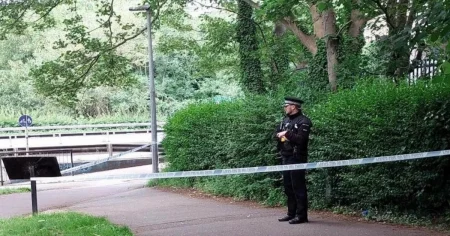

Belfast currently finds itself reeling from a harrowing sequence of events that began with a gruesome act of violence and spiraled into a night of widespread civil unrest. The initial trigger was a shocking knife attack in the north of the city on Monday, where a 30-year-old Sudanese national allegedly assaulted a local man in his 40s. Witnesses described the scene as an attempted beheading, a terror that was captured in disturbing online footage showing the victim being pinned to the ground. As the victim, identified locally as Stephen Ogilvie, remains in serious condition with severe facial and eye injuries, the suspect is now facing court proceedings on charges of attempted murder, possession of a weapon, and threats to kill.
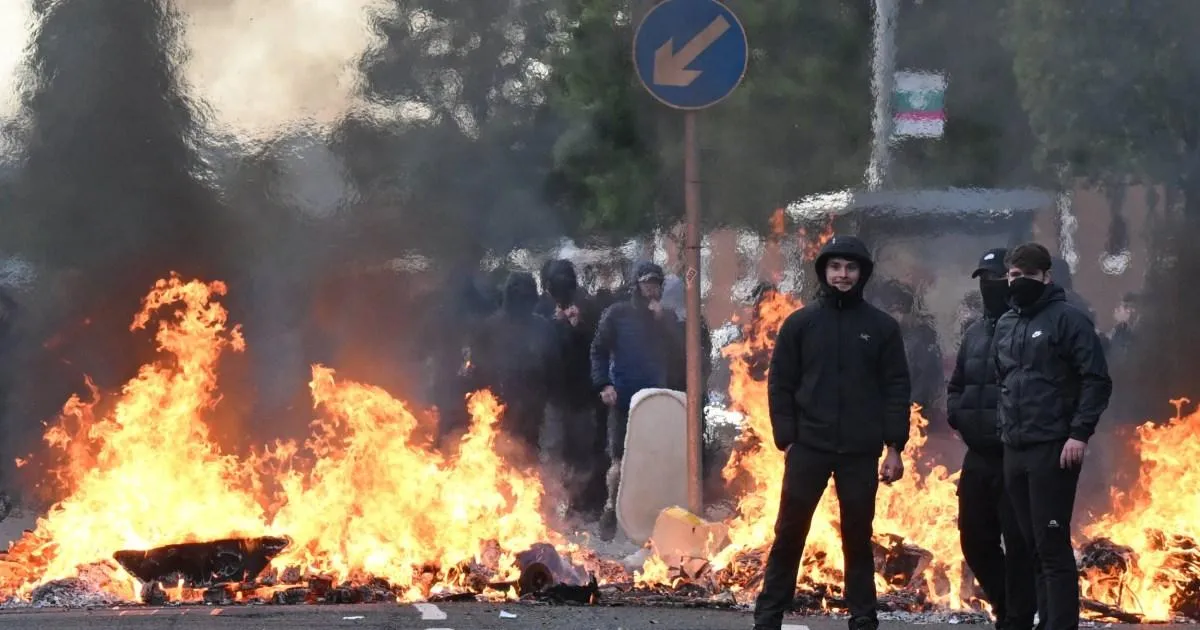
The volatility of the atmosphere in Belfast was laid bare on Tuesday night when the anger surrounding this stabbing was weaponized by far-right groups on social media to orchestrate anti-immigration demonstrations. What began as calls for protest rapidly devolved into scenes of chaos that saw the city’s streets turned against its own residents. Across several neighborhoods, vehicles were set ablaze, public transport was brought to a standstill after a Glider bus was torched on the Newtownards Road, and the thin line of order was tested as rioters engaged in widespread destruction.
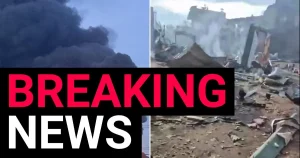
The emotional and physical toll on the community was perhaps most starkly felt in areas like Lendrick Street, where the violence moved from the streets to people’s doorsteps. Firefighters were pushed to the absolute limit, forced to conduct emergency rescues as homes were deliberately set on fire with families trapped inside. The Northern Ireland Fire and Rescue Service reported a staggering night of activity, receiving over 250 emergency calls and responding to 62 separate incidents in a marathon effort to prevent further tragedy. Despite the heroism of the responders and police, the images of flames engulfing residential properties served as a grim reminder of how quickly civil order can fracture when hatred takes the wheel.
Political leaders from across the spectrum have come forward with rare, unified condemnation, labeling the night’s events as “outright thuggery.” First Minister Michelle O’Neill and Deputy First Minister Emma Little-Pengelly expressed profound disgust, emphasizing that the actions of the mob—specifically targeting innocent families—were cowardly and unjustifiable. Their sentiments were echoed by Northern Ireland Secretary Hilary Benn, who reminded the public that the destruction serves only to harm the very communities the rioters claim to act on behalf of. The message from the leadership was clear: there is no moral cover for these acts, and they have only succeeded in jeopardizing innocent lives.
Behind the noise of the riots, the legal and administrative realities of the situation are also being scrutinized. Authorities have clarified that there is no evidence to suggest the initial stabbing was terror-related, distancing the criminal act from the broader societal explosion it triggered. Furthermore, it has been revealed that the suspect in the knife attack is a foreign national who entered Northern Ireland in early 2023 and had been granted leave to remain in the UK through late 2028. As investigations proceed, these procedural facts are likely to feature heavily in the public debate about immigration and integration that has become the backdrop to this week’s violence.
Ultimately, the events in Belfast expose a deep and fractures within the city, where a singular, horrific criminal incident was used as a catalyst for indiscriminate violence. While the community rightfully expresses its pain and anger over the brutal assault on Mr. Ogilvie, the subsequent riots have left neighbors terrorized and public services overstretched. As the dust settles, the people of Belfast are left to grapple with the realization that their streets were turned into battlegrounds, and the challenge ahead lies in finding a way to address the community’s anxieties without allowing that fear to transform into the kind of destruction that now threatens the safety of everyone.