



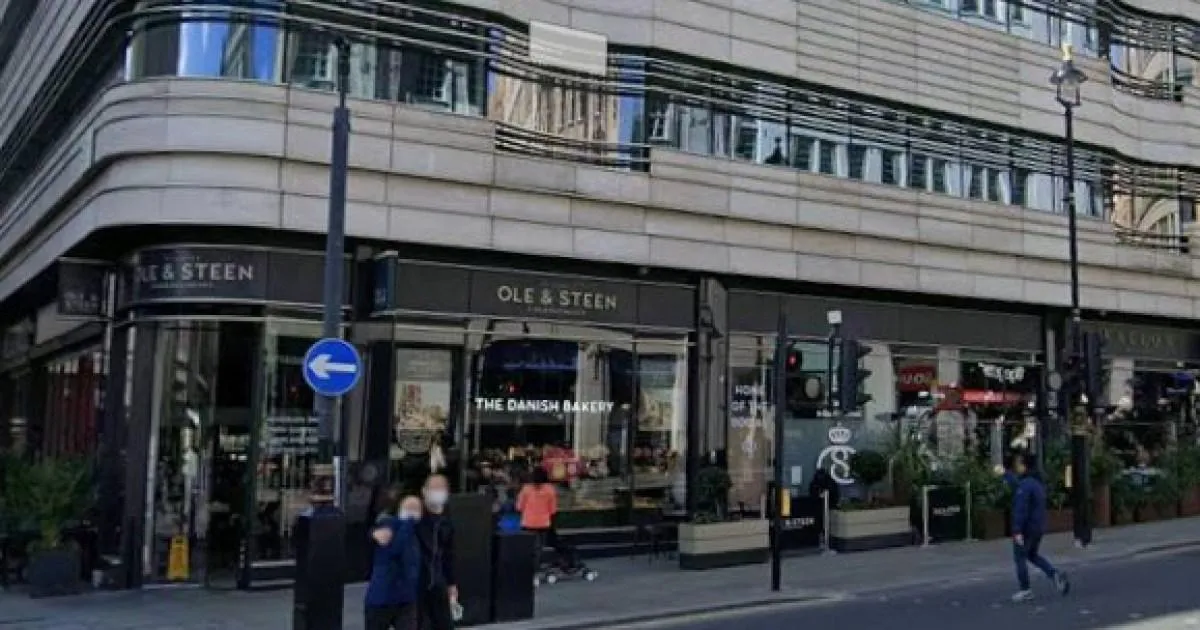
The recent legal trouble facing the well-known bakery chain Ole&Steen serves as a stark reminder that even the most upscale establishments are not immune to the fundamental responsibilities of food safety. In early 2025, the bakery’s prestigious Haymarket location in London underwent a routine inspection by Westminster City Council’s environmental health officers. What they discovered was far from the polished, premium experience customers expect from a brand known for its artisanal pastries. The inspection revealed a significant and concerning mouse infestation, with droppings scattered across areas dedicated to food preparation and storage, effectively compromising the hygiene of the entire facility.
What makes this situation particularly egregious is that the company was not blindsided by these findings. Prior to the council’s inspection, Ole&Steen had already been alerted to the pest issues by their own external contractors. Despite having clear evidence that their kitchen environment was being compromised, the company failed to take decisive or effective action to rectify the problem. This lack of urgency suggests a disconnect between the brand’s high-end public image and the management practices occurring behind the scenes, ultimately allowing a health hazard to fester while continuing to serve the unsuspecting public.
Beyond the presence of vermin, the inspection uncovered a series of poor hygiene practices that heightened the risk of cross-contamination. When health standards slip to the point where pests are physically present in the same spaces where food is prepared, the threat to public health becomes immediate and severe. These were not minor, one-off mistakes, but a catalogue of serious systemic failings that occurred despite previous warnings. The situation reached its conclusion at Westminster Magistrates Court, where the company pleaded guilty to failing to protect their food from both pest activity and inadequate hygiene controls.
The consequences for the company were significant, resulting in a total financial penalty of nearly £35,000, including a £26,000 fine and over £8,800 in legal costs. Westminster City Council, through Deputy Leader Councillor Caroline Sargent, made it clear that they would not tolerate a “half-baked” approach to safety. The council’s stern response serves as a public warning to other businesses: while London’s food scene is world-renowned for its quality, the responsibility for maintaining sanitation is non-negotiable. The council’s message was blunt—when it comes to the health of residents and visitors, there is no room for excuses or “sugar-coating” the truth.
In response to the public outcry and legal repercussions, a spokesperson for Ole&Steen acknowledged that the conditions at their St James’s Market store in late 2024 had fallen well below the standards both the customers and the brand itself expect. The company noted that they took immediate action to close the store, resolve the infestation, and implement necessary changes. They highlighted that a follow-up assessment has since awarded the location a four-star hygiene rating, suggesting a significant turnaround. The brand insists that they remain committed to restoring trust and ensuring that such failures do not recur across their other locations.
Ultimately, this case acts as a cautionary tale for the hospitality industry, emphasizing that reputation is only as strong as the integrity of the kitchen. While a brand may invest heavily in branding, store aesthetics, and premium product placement, these efforts are rendered hollow if the basic tenets of public health are neglected. For consumers, the incident is a jarring reminder to remain vigilant, even when visiting reputable chains. As Ole&Steen works to rebuild its reputation and keep its stores clean, the public is left to hope that this expensive lesson ensures these safety standards remain a top priority rather than a reactive afterthought.