

A Community in Shock: The Week of Tragedy Unfolds on Teesside
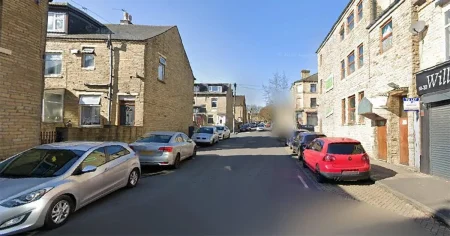
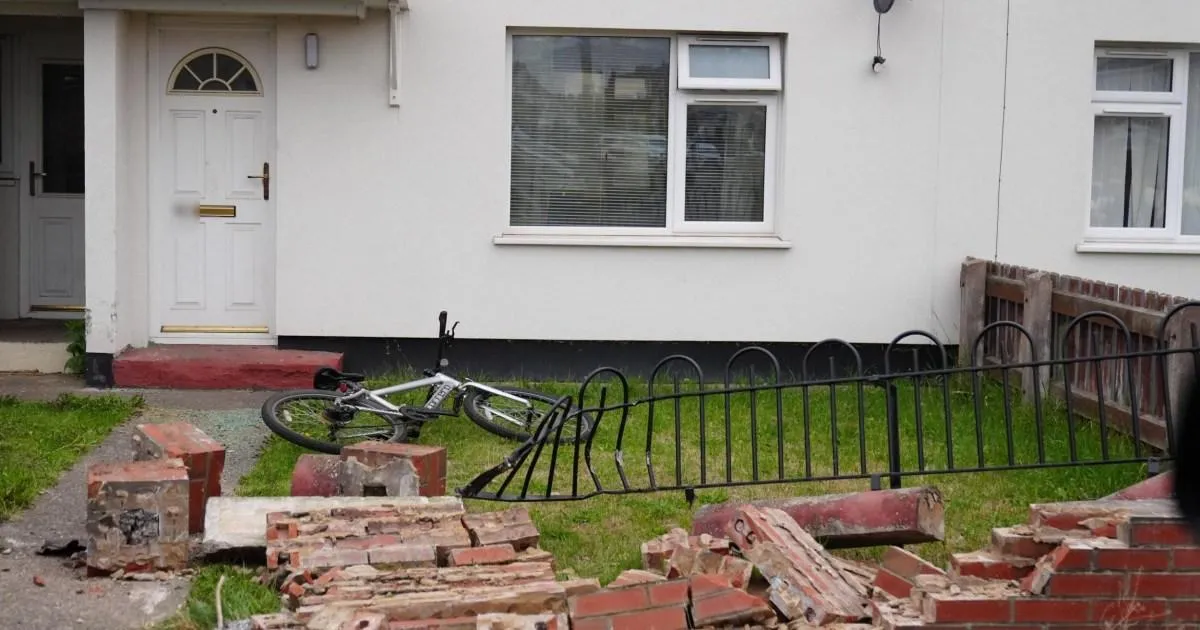
In the pre-dawn hours of Thursday morning, the quiet residential street of Steele Crescent in South Bank was violently torn from its slumber. Just after half-past twelve, the serene silence that blankets working-class neighbourhoods was shattered by the deafening screech of metal and the catastrophic impact of a vehicle slamming into the side of a house. The wall crumbled under the force of the collision, bricks and dust spewing across the pavement, leaving a grotesque, gaping wound in the front of a home. Neighbours, startled from their beds, rushed out in their dressing gowns to see the havoc that had occurred just yards from their front doors. Thankfully, in a stroke of immense fortune amidst the chaos, the property was empty at the time of the crash. No residents were injured, no one was trapped inside, and the only damage was physical, though the psychological shock rippled through the tightly knit community. As the blue lights of the emergency services illuminated the street, casting eerie, flashing shadows against the damaged brickwork, residents stood in clusters, whispering about the fragility of life and wondering how such a serious incident could occur in their quiet cul-de-sac. The crash, however, was merely the latest in a series of devastating events that had besieged this region of Teesside over the past few days, leaving the entire area in a state of collective mourning and profound unease.
Just a day earlier, on Wednesday, the community of nearby Grangetown had been splintered by an utterly heartbreaking tragedy that no amount of preparation could soften. A fire had ripped through a family home, claiming the lives of a seven-year-old girl named Valentina Foster and her thirty-four-year-old aunt, Natalie McDonald. The news of the blaze spread like wildfire, but the confirmation of the victims’ identities brought a crushing, unbearable weight to the neighbourhood. In the days that followed, the scene outside the charred remains of the house became an impromptu shrine of grief. Among the wilting flowers, the handwritten notes, and the flickering candles, one tribute stood out with gut-wrenching poignancy—a soft teddy bear, placed carefully against the garden wall, accompanied by a note that read, “Now she dances with butterflies Valentina.” The image of that innocent child, reduced to a memory, captured the raw pain of a family torn apart and a community left to process the senseless loss. The juxtaposition of the child’s delicate teddy bear against the blackened, smoke-damaged exterior of the house served as a stark, visceral reminder of the fleeting nature of life and the devastating speed at which domestic tragedy can strike.
Yet, as difficult as Wednesday was, the weekend preceding it had unleashed a disaster of such apocalyptic scale that it would dominate national headlines and plunge the entire area into deep despair. On Saturday, a catastrophic incident occurred on the A66 motorway that involved a high-speed police pursuit. Officers had been attempting to stop a Volkswagen Passat when the situation escalated dangerously. The Passat, which had been driving erratically, entered the carriageway against the flow of traffic. Realising the immediate, fatal danger posed to the public and the pursuit vehicles, the police prudently aborted the chase. However, gravely, in the moments that followed, the driver of the Passat collided head-on with a police vehicle that had not been directly involved in the initial pursuit. The resulting impact was catastrophic, an obliteration of metal and glass that left a scene of unimaginable horror on the tarmac. All occupants of both vehicles were pronounced dead at the scene. The five young men inside the Passat were identified as Cole Worthy, aged just seventeen, Theo Rae, also seventeen, Makai Saddington, eighteen, and twenty-three-year-olds Michael Robert Cahill and Jacob Matusiak. Their lives, brimming with potential, were extinguished in an instant, leaving devastated families and friends who could scarcely comprehend the magnitude of their loss.
Adding a further layer of profound sorrow to this national tragedy was the loss of two dedicated police officers who were killed in the line of duty. Pc Matthew Blades, aged 37, and Pc Tom Clough, aged 38, were the heroes whose patrol car was involved in the collision. These were not just officers in uniform; they were sons, husbands, and colleagues who had committed their lives to protecting the public. Their deaths were a stark reminder of the extreme dangers that law enforcement personnel face every single day, often without warning. The subsequent inquests, opened at Teesside Coroner’s Court, brought the grim procedural reality of the tragedy into sharp focus. As coroner Paul Appleton meticulously detailed the formalities, the raw emotional pain was palpable within the courtroom. Appleton confirmed that Pc Blades had been identified by his wife, a heart-wrenching detail that underscores the personal devastation behind the uniform, while Pc Clough was identified by his partner. The provisional medical causes of death were read out, citing head and neck injuries for both officers, a clinical description that did little to mask the violent nature of their final moments. For the families of the five young men and the two officers, the formal identification is the beginning of a long, arduous journey through grief.
In the wake of this horrific sequence of events, local authorities and civic leaders struggled to articulate the sheer devastation felt across the region. Superintendent Emily Harrison, of Cleveland Police, provided an update to the press regarding the latest incident on Steele Crescent. “The property was empty at the time and we have not received any reports of injuries,” she stated, offering a small measure of relief regarding the Thursday crash. However, her tone turned sombre as she acknowledged the broader picture of the week’s events. “Officers are conducting inquiries to establish the circumstances surrounding this incident.” With the death of the five young men having occurred during a police pursuit, and now this new crash into a house late at night, questions began to swirl regarding potential connections. Harrison carefully navigated these questions, adding, “Our investigation is in its early stages and it has not yet been confirmed whether this incident is linked to wider organised crime.” The phrase “wider organised crime” hung in the air, a dark suggestion that perhaps these tragedies were not merely random acts of fate, but rather the violent tendrils of a deeper, more sinister underworld. Meanwhile, political leaders, including prominent civic figures like Andy Burnham, voiced their profound shock and solidarity with the affected families and the emergency services. “It’s a terribly tragic event that’s happened,” Burnham said, reflecting on the overall toll. “Utterly devastating, and I’m sure there’s a whole community that is grieving, not just what happened at the weekend, but all of it.” He pledged all available support to the authorities, insisting that everything must be done to understand the full scope of these events.
As the week draws to a close, the community of Teesside stands in a state of stunned paralysis, caught between grief and a desperate need for answers. The teddy bear sitting beside the fire-ravaged house in Grangetown, the shattered wall in South Bank, and the debris-scattered stretch of the A66 are all silent, tragic markers of a region under siege by sorrow. For the families of Valentina and Natalie, the fight to comprehend a domestic loss is overwhelming. For the families of Cole, Theo, Makai, Michael, and Jacob, the questions surrounding the pursuit and the collision are agonising. And for the families of Pcs Blades and Clough, there is the additional weight of knowing their loved ones died protecting others. The inquests into the A66 deaths are only just beginning, providing the initial formal steps toward legal closure, but true closure remains a distant, almost unobtainable hope. The investigation into the Steele Crescent crash is in its infancy, and the potential link to organised crime intimates that the full, ugly picture of what happened has yet to be revealed. The authorities have promised thoroughness and transparency, but for now, all the community can do is cling to one another, lay flowers, light candles, and hope that the fragile peace of their streets can eventually be restored amidst the lingering echoes of sirens and the haunting memory of seven lives tragically cut short.