


The recent controversy surrounding Reform UK’s Zia Yusuf highlights a growing, often uncomfortable tension between public health strategy and the political rhetoric of “equality.” The flashpoint occurred when the government announced an expansion of a prostate cancer screening trial specifically targeting Black British men aged 45 to 74. This decision was rooted in sobering clinical data: Black men are statistically twice as likely to develop prostate cancer than men of other backgrounds, with one in four facing a diagnosis during their lifetime. From a medical perspective, the initiative is a proactive attempt to address long-standing health disparities and catch a lethal disease early enough to save lives.
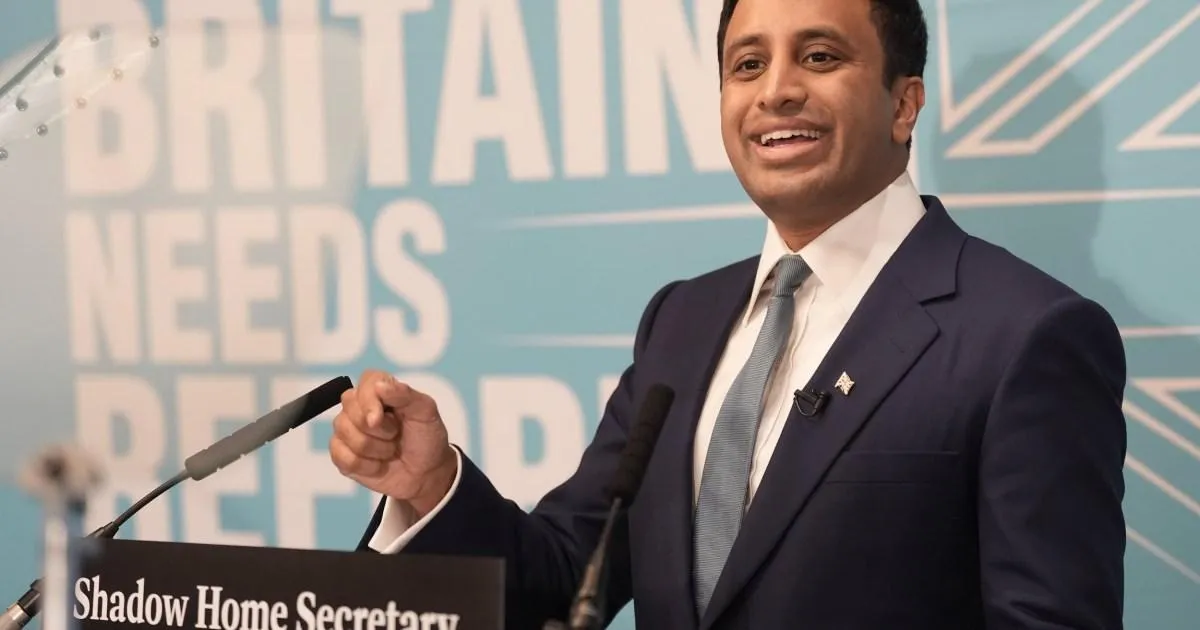
However, Zia Yusuf, a high-profile figure within Reform UK and the child of two career NHS professionals, viewed the announcement through a starkly different lens. Taking to social media, Yusuf characterized the targeted screening as a clear example of the UK becoming a “two-tier country.” His argument suggested that the state is providing preferential treatment based on race, asserting that the NHS offers no comparable, race-exclusive programs for white citizens. This framing ignited an immediate firestorm, positioning a clinical health measure as a volatile political wedge issue, effectively arguing that the pursuit of equity in health outcomes is indistinguishable from the creation of tiered citizenship.
The backlash from the political and medical communities was both swift and scathing. Dr. Zubir Ahmed, a Labour MP and transplant surgeon, publicly questioned Yusuf’s fitness for public office, bluntly suggesting he consult his own family to understand the basic medical concept of risk-based screening. Similarly, former Liberal Democrat leader Tim Farron joined the chorus of disapproval, questioning whether anyone within Reform UK could advise Yusuf against making such inflammatory comments. Even within his own political orbit, former party chairman David Bull seemed to distance himself, emphasizing the importance of screening for high-risk groups—specifically naming Black men—thereby implicitly rejecting the notion that such outreach is discriminatory.
Despite the intensity of the critique, Yusuf remained defiant, doubling down on his position when challenged by Green Party leader Zack Polanski. Yusuf’s follow-up arguments sought to shift the focus toward a broader hypothetical: he questioned whether critics would be equally comfortable if the NHS were to limit scarce resources for conditions that disproportionately affect white populations. By framing the issue this way, Yusuf attempted to elevate his grievance from a specific health trial to a philosophical stand against what he perceives as systemic racial favoritism, seemingly ignoring the clinical distinction between addressing known health inequalities and creating arbitrary racial exclusions.
The government’s decision to pursue this targeted strategy is not a spur-of-the-moment whim but rather a pragmatic response to the broader landscape of national health policy. Health Secretary James Murray confirmed that a universal, national screening program for all men is currently off the table, largely because the risks associated with overtreatment—where men are exposed to serious side effects for cancers that might never have become life-threatening—outweigh the benefits of mass screening. By focusing resources on the group at the highest statistically validated risk, the government is playing the numbers game in a way that maximizes efficiency and patient survival, rather than engaging in the societal engineering that Yusuf alleges.
Ultimately, this episode underscores the profound difficulty of balancing clinical evidence with the hyper-partisan political climate of modern Britain. When a life-saving medical initiative is weaponized as a culture war talking point, it creates a toxic environment that obscures the reality of patient advocacy. While Yusuf argues that the NHS is failing by focusing on demographic risk factors, the scientific consensus remains that targeted screening is about biology, not ideology. As this debate settles, the core challenge remains: how can the public health system address the legitimate, documented health vulnerabilities of specific communities without being pulled into an adversarial political narrative that threatens the very concept of evidence-based medicine?