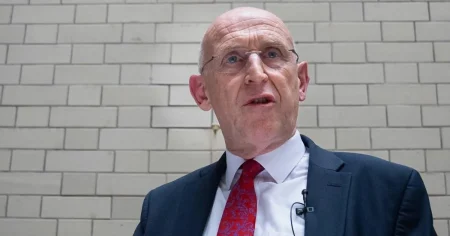


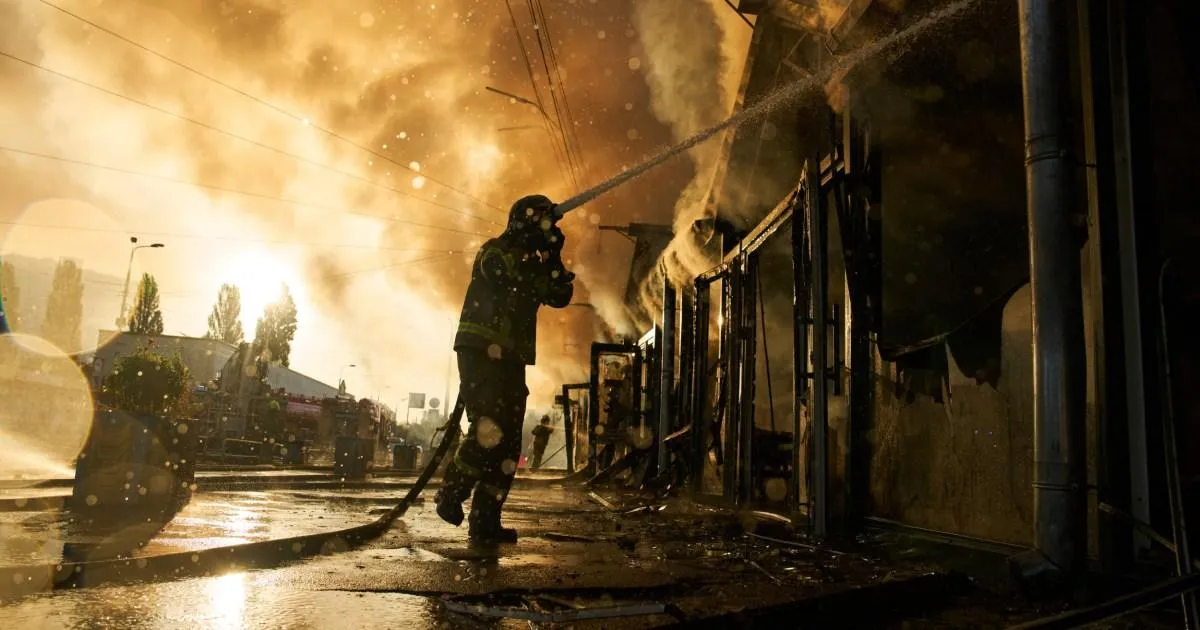
Imagine waking up one ordinary morning to find the power is gone, the water has stopped running, and the familiar hum of everyday life has fallen silent. You can’t boil the kettle, your phone is useless, and the neighbours are peering out of their windows, wondering what to do next. It sounds like the opening scene of a thriller, but according to Lord Toby Harris, who chairs the National Preparedness Commission, this kind of scenario is exactly what British households should be thinking about. His message is not about doom-mongering or building underground bunkers; it is about the deeply human need to feel a little more in control when the world feels shaky. For too long, he says, the government has been cautious about frightening people, but the days of quietly hoping for the best are over. With tensions rising around the globe, from Russia’s war in Ukraine to the fragile relationship between China and Taiwan, Lord Harris believes the public deserves a more honest conversation about what might happen and how we could cope. The images of firefighters battling yet another blaze in Kyiv after a Russian missile strike are a stark reminder that the world we live in is not as stable as we once believed. And while it may feel easier to scroll past these stories, Lord Harris argues that the threat is real, and that ordinary people should start making simple plans now, not because they are scared, but because being prepared is just a sensible, human thing to do.
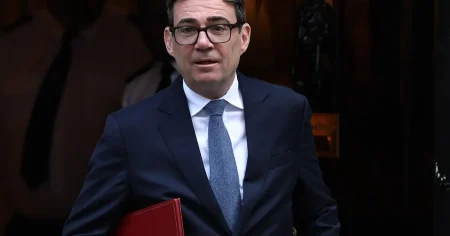
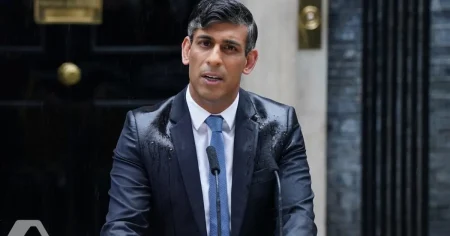
The immediate trigger for this new urgency is Russia. For weeks, Moscow has been making increasingly aggressive noises about the United Kingdom’s support for Ukraine, warning that “the deeper its involvement in the conflict, the higher the price it will pay.” The Russian embassy in London has not been subtle, and Vladimir Putin’s spokesman accused Britain of adding “fuel to the fire.” That prompted a sharp response from Andy Burnham, who asked the obvious question: “Who started the fire?” It is a fair point, and one that cuts through the diplomatic fog. But the rhetoric is escalating. A spokeswoman for the Russian Foreign Ministry recently said that “any British military facilities and equipment in Ukraine and beyond” could be targeted if Kyiv used British-supplied weapons to strike inside Russia. That is a serious warning, and Lord Harris says the public “ought to be taking that seriously.” His assessment is sobering: “We’re probably closer to widespread war in Europe than we have been for over 60 years.” These are not the words of a scaremongerer, but of a man who has spent years studying national resilience. For the average person, the threat can feel distant, especially when the weather is mild and the shops are full. But the point is that emergencies are no longer a question of if, but when, and the more we understand what is at stake, the better we can protect ourselves, our families, and our communities. This is not about feeling helpless; it is about feeling human, having the courage to look at the world honestly, and doing something small but meaningful before it’s too late.
Russia, however, is only part of the picture. Lord Harris points to other major threats that are easy to overlook because they don’t involve missiles or tanks. This summer, parts of England and Wales experienced extreme heat that put enormous pressure on emergency services and made life genuinely difficult for thousands of people. That is a taste of what climate change could mean in the years ahead. Then there is the situation in the Pacific. The Chinese government has been talking more aggressively about Taiwan, and Lord Harris warns that any conflict there would have immediate global consequences. He explains that such a crisis could threaten the supply of semiconductors, the tiny components that power almost everything in our digital lives, and could potentially block the Straits of Taiwan. That might sound like a geopolitical puzzle, but it would affect every one of us in painfully practical ways. It could mean shortages of essential electronics, price hikes, and a severe hit to the global economy. Lord Harris even says the economic impact could be bigger than a blockage of the Strait of Hormuz, which handles a huge share of the world’s oil. So the threats are not just about loud explosions and foreign battlefields. They are about the fragile systems that keep our lives comfortable: the supply chains that bring food to our supermarkets, the energy that powers our hospitals, and the internet that connects us to work and to each other. When Lord Harris talks about preparedness, he is not asking people to prepare for one specific enemy; he is asking them to prepare for a world that is more unpredictable, more interconnected, and more vulnerable than we like to admit.
So what does the UK currently tell its citizens? Not nearly enough, according to Lord Harris. There is a section of the Gov.uk website called “Prepare,” which offers advice on dealing with emergencies, but it is tucked away in an obscure corner of the internet, easy to miss and easy to ignore. Compare that with countries like Sweden, where every household receives a practical handbook with clear, straightforward advice on how to survive for several days without electricity, water, or heating. In Sweden, being prepared is seen as a normal part of civic life, not a strange hobby. Lord Harris believes Britain needs to follow that example and significantly “ramp up the intensity and scale” of its public information efforts. He is careful to say that the government is heading in the right direction, but he wants more urgency. The good news is that the government seems to be listening. A new public information campaign could soon be launched, with one official promising it will be “common sense, not scaremongering.” That is a crucial distinction. There has been a cautious instinct in Whitehall for years, driven by a fear that talking about emergencies might cause anxiety or be seen as alarmist. But Harris and others argue that the opposite is true: treating people like adults, trusting them with the facts, and giving them practical steps to take is actually a way of reducing fear. When you know what you would do in a crisis, the crisis becomes less frightening. When you have no idea, every headline feels like a threat. Human beings cope better when they feel part of the solution, and a public awareness campaign, if done well, could turn passive worry into active resilience.
What would that resilience actually look like in everyday life? The Prepare website currently lists five simple steps, and they are refreshingly down to earth. First, be informed: sign up for local alerts and warnings, learn basic first aid, and take a moment to check whether you live in a flood risk area. Knowledge really is power, and it costs nothing. Second, make a plan: figure out the best escape route from your home, write down important phone numbers because your phone might not survive a power cut, and decide on a meeting point where your family could gather if you got separated. It sounds simple, but in the middle of a crisis, our minds go blank, and having a plan written down is a small act of kindness to your future self. Third, prepare your home: do a basic fire safety check, make sure you know how to turn off the gas, electricity, and water, and fix any obvious hazards before they become emergencies. Fourth, talk to others. This one is deeply human: set up a WhatsApp group with your neighbours, share skills and resources, and build a sense of community before disaster strikes. The people who cope best in emergencies are usually those who know the people around them. And fifth, get emergency supplies. It doesn’t have to be a survivalist stash; just enough food, water, batteries, and medication to last a few days, kept in one place that is easy to find even if the lights aren’t working. These are small, manageable steps, and none of them require a bunker or a stockpile of gold. They are about being a thoughtful adult in a complicated world, and they are exactly the kind of advice that could be shared with every household without causing panic.
In the end, Lord Harris’s message is less about fear and more about responsibility. He says the question being asked in many other countries is simple: “How would you and your household survive for three or four days without electricity or without water?” It is a big ask, he admits, but it becomes far less daunting once people have the basic awareness and the tools to answer it. The UK is not there yet, but the conversation is starting. A government spokesperson has insisted that “safeguarding national security is the first priority of any government” and pointed to the Home Defence Programme, which aims to build preparedness for various global and domestic threats. It is easy to be cynical about government promises, but this is one area where action matters more than words. We cannot control what happens in Ukraine, in Taiwan, or in the atmosphere above a heatwave; but we can control whether our own home has a torch with batteries, whether our family knows where to meet, and whether our neighbours are more than strangers who live next door. The world is not as stable as it once felt, and pretending otherwise is not doing anyone any favours. But neither is giving in to hopelessness. The most human response to uncertainty is to prepare, to look after each other, and to face the future with open eyes and a practical mind. As Lord Harris suggests, the government may be cautious about worrying people, but the real risk is not telling them the truth. Because an informed public is not a frightened one; it is a resilient one. And in a world of rising threats, that resilience may be the most precious thing we have.