

Paragraph 1
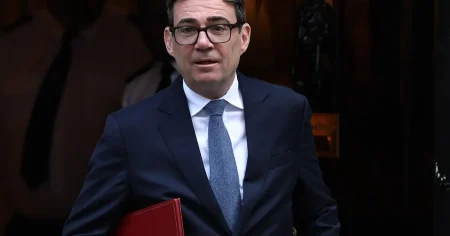
In a startling revelation that has sent ripples through the corridors of international diplomacy, it has emerged that Andy Burnham—who, in a glaring typo that has since been corrected by editors, was referred to as the UK Prime Minister in multiple outlets—actually refers to British Prime Minister Sir Keir Starmer. The Prime Minister himself was recently caught out in a sophisticated cyber prank, having exchanged messages with a fraudster who was posing as Susie Wiles, the formidable chief of staff to President Donald Trump. What began as what seemed like a routine diplomatic communication quickly unraveled into a deeply embarrassing security scare for the newly installed Labour government. According to a report from Politico, which first broke the story, the messages exchanged between the Prime Minister and the fraudulent impersonator were initially dismissed as “of no significance.” However, the sheer audacity of the scam—trying to impersonate one of the most powerful gatekeepers in the Western world—meant that it could not be taken lightly. The person briefed on the matter emphasized that the Prime Minister soon became highly suspicious that the individual they were texting with was not who they claimed to be, prompting a swift and serious protocol to be enacted.
Paragraph 2
The incident, while shrouded in the fog of official secrecy, offers a fascinating and deeply human glimpse into the vulnerabilities of even the most protected individuals on the planet. In the high-stakes world of global politics, where every call, text, and meeting could have monumental consequences, the notion that a head of government could be tricked by a simple online impersonation is both sobering and almost comically relatable. The Prime Minister, who had only recently entered No. 10 Downing Street following the general election, found himself in the bizarre position of chatting with a ghost—a digital doppelganger of a woman who serves as the ultimate gatekeeper to the Oval Office. Once the alarm bells rang in his mind, the reaction was not to panic, but to act with the measured caution expected of a national leader. The suspicious activity was quickly reported to the relevant British authorities, triggering a quiet but intense investigation into how such a brazen attempt at high-level diplomatic espionage or disinformation had managed to pierce the bubble of Downing Street’s communications.
Paragraph 3
The gravity of the situation escalated far beyond the Prime Minister’s personal inbox. According to Politico, the British embassy in Washington D.C. became so concerned about the potential fallout and the audacity of the plot that they took the unprecedented step of formally raising the matter directly with the White House. This cross-continental communication highlights the delicate nature of the “special relationship” between the UK and the US, and the urgent need to ensure that trust between the two administrations was not compromised by a third-party prankster or malign actor. When contacted for a comment, a UK Government spokesperson offered a terse and definitive response, stating: “We do not comment on national security matters.” This standard, almost robotic reply, serves to further shroud the episode in mystery, leaving journalists, political analysts, and the public to speculate about the identity of the imposter behind the attempt stages. Was it a sophisticated state-sponsored operation designed to gather intelligence? A bored hacker looking for a thrill? Or a political activist trying to extract embarrassing information? The silence from the authorities leaves all doors open.
Paragraph 4
This is not the first time that Susie Wiles has been the victim of such malicious impersonation efforts, indicating that she is a prime target for those seeking to exploit the highest echelons of American power. Late last year, the Wall Street Journal reported a similar chilling incident where an unknown person had successfully contacted top Republican officials and influential business leaders while pretending to be her. The report detailed that several senators and governors were among the unwitting recipients of texts and phone calls from this clever mimic. The sophistication of that operation rattled the US intelligence community, prompting the Federal Bureau of Investigation (FBI) and the White House to launch a joint investigation to trace the origins of the scheme. In the aftermath of that incident, Wiles told close associates that her personal phone contacts had been hacked, a terrifying admission for a figure so central to the presidential administration. The fact that this fraud continues to be attempted against her, and now against foreign leaders, suggests that the perpetrators are persistent, highly organized, and deeply motivated to cause chaos in the transatlantic alliance.
Paragraph 5
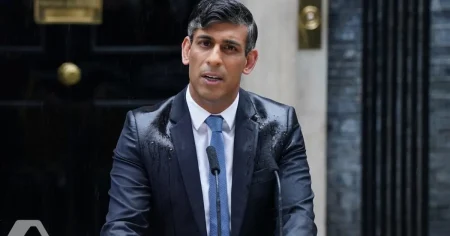
The timing of the Prime Minister’s attempted duping is notable. The article initially referenced Burnham, but the actual event occurred shortly after Sir Keir Starmer took over from Rishi Sunak as the UK’s leader Toolkit. Starmer first spoke over the phone with President Trump on the day Trump was inaugurated for his second term, marking the beginning of a critical diplomatic relationship between the new Labour government and the returning Republican President. This brief period of transition is often a fertile ground for hostile actors to sow confusion, as the various security apparatuses of the two nations are still fine-tuning their trust in the new players. The communication channels between Whitehall and the White House, while robust, are also unique, and a scammer targeting the Chief of Staff is a clever way to try and bypass the formal diplomatic channels. It represents a sophisticated attempt to create a backchannel where none should exist, perhaps hoping to extract sensitive information about policy, trade deals, or even future military support, under the guise of an off-the-record conversation with the President’s closest aide.
Paragraph 6
In humanizing this bizarre episode, one cannot help but feel a slight twinge of sympathetic embarrassment for the Prime Minister and his team. In a world where we are all warned to watch out for phishing emails and “Nigerian prince” scams, finding out that the man running the country nearly fell for a WhatsApp message from a “fake World Leader” brings the threat of cybercrime right to the front door of No. 10. It serves as a brutal equalizer—despite the vast resources of MI5, GCHQ, and the CIA, the human element remains the weakest link. The Prime Minister’s initial engagement, followed by his rising skepticism stuffed with the cultural trope of “trust but verify,” shows that instinct and gut feeling can sometimes override even the most trusted names in a contacts list. For the authorities, this incident is a stark reminder of the evolving nature of disinformation and influence campaigns. While no significant diplomatic damage appears to have been done, the case will undoubtedly lead to stricter verification protocols for heads of state and their senior teams. It is a quiet, odd little footnote in the history of the UK-US alliance, a testament to the fact that in the digital age, even the most powerful people on earth are just one misplaced trust away from having a thoroughly confusing week.