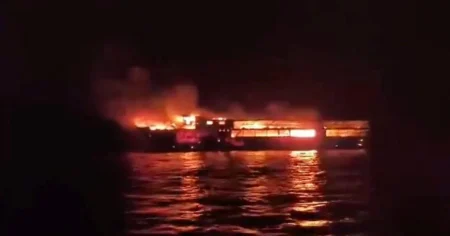



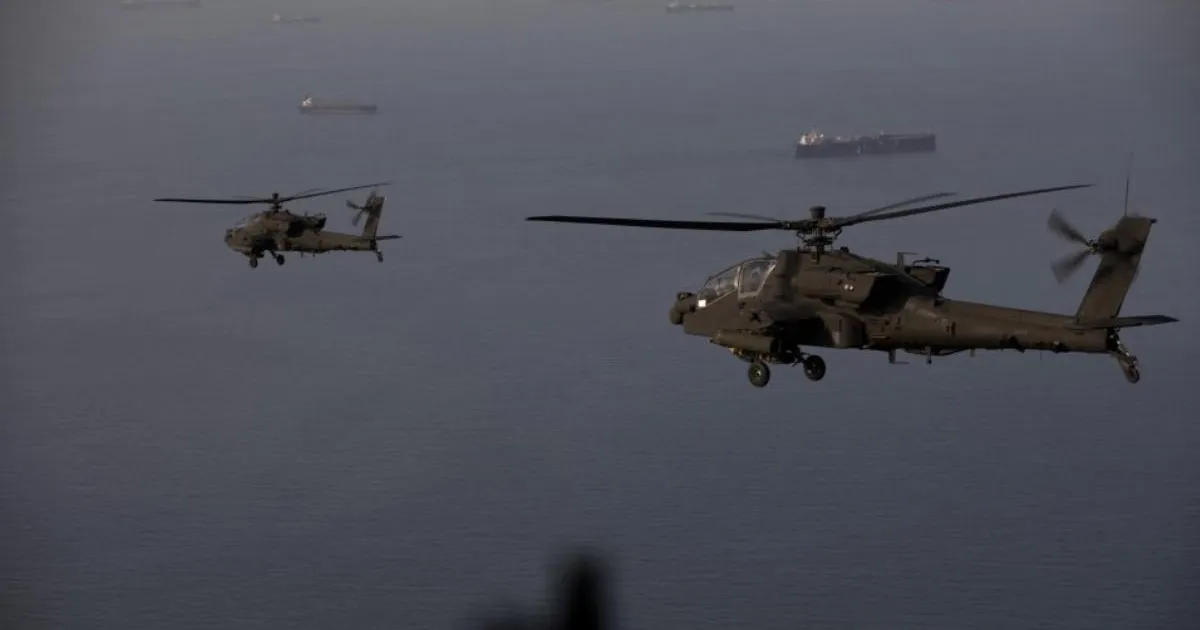
The recent crash of an American Apache helicopter near the Strait of Hormuz has sent shockwaves through the international community, reigniting intense speculation about the already volatile standoff between Washington and Tehran. While the incident remains under official investigation, the U.S. military is currently analyzing whether the aircraft was downed by Iranian forces or suffered a mechanical failure during a routine patrol. President Donald Trump has been quick to reassure the public that the two crew members involved are safe, promising that a formal report will soon clarify the circumstances. However, the mystery surrounding the crash serves as a stark reminder of the fragile security environment in one of the world’s most critical maritime corridors.
For the global economy, the Strait of Hormuz is more than just a waterway; it is a vital artery for the transport of energy, and its current state of blockage has triggered a cascade of negative consequences. Since the onset of hostilities back in February, which saw joint U.S. and Israeli strikes on Iranian targets, global energy prices have surged, leading to increased costs for essential goods like food. Despite an ostensible ceasefire deal reached in April, the conflict remains a source of massive instability. Mediators, largely led by Pakistan, are working tirelessly to bridge the gap, yet the region remains trapped in a cycle of rhetoric and tactical posturing that has prevented any long-term peace.
President Trump has maintained a posture of aggressive optimism, repeatedly claiming that a comprehensive agreement is just days away. During recent press briefings, he has oscillated between threats of devastating military action—warning that he could easily bomb Iran into submission—and claims that a diplomatic breakthrough is imminent. His rhetoric, however, is being met with growing skepticism. While he frames his potential for a “total victory” as a sign of imminent success, officials within the Iranian government have countered by pointing out that such claims often contradict the actual terms being discussed on the ground, leaving the public and stakeholders confused about the true state of negotiations.
The underlying roadblock to a permanent resolution remains the core demands of both nations. The United States is adamant that Iran must dismantle its stockpile of highly enriched uranium, with President Trump positioning his administration as a facilitator for this goal. Conversely, Iran is holding firm on its requirement for immediate relief from crippling economic sanctions and the release of frozen assets as a precondition to any deal. This fundamental disconnect, played out through public statements and official grievances, highlights a stalemate where neither side appears willing to blink first, despite the obvious cost to their respective economies and the humanitarian toll on the Iranian people.
Experts like Dr. Katayoun Shahandeh from the University of London argue that the world should view these recurring announcements of “imminent deals” with a critical eye. She suggests that these statements are more akin to political theater than genuine diplomatic progress, noting that Trump’s preference for the optics of deal-making often bypasses the nuanced, slow-moving reality of international diplomacy. According to this perspective, when the expectation of a deal is built up only to collapse time and again, it is the civilian population that bears the brunt of the instability. The constant back-and-forth serves to further desensitize the public to the very real dangers of regional warfare.
As the US continues to utilize naval and air assets—including the AH-64 Apache helicopters—to enforce blockades against Iranian crude oil, the potential for accidental escalation remains high. These aircraft, essential tools in the pressure campaign against Tehran, are now at the center of a tense game of cat and mouse. While the crew in this specific instance survived, the incident underscores the precarious nature of the blockade. With neither side willing to compromise on their primary demands, the Strait of Hormuz remains a flashpoint where a single miscalculation, whether intentional or accidental, could threaten the stability of the entire international order.