

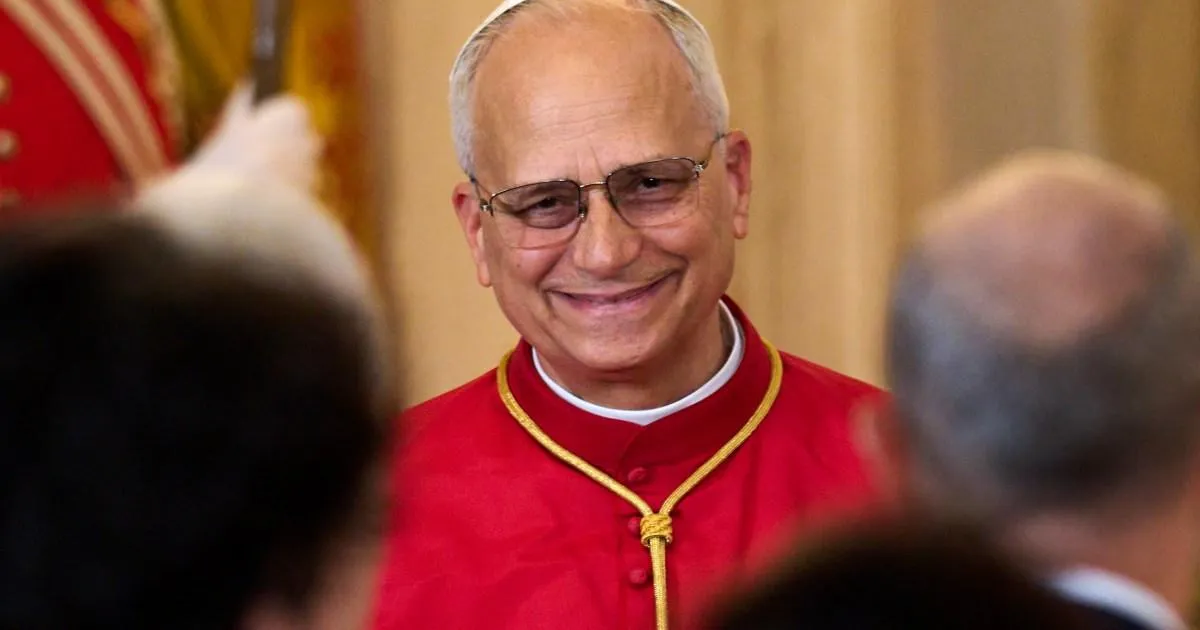
Pope Leo touched down in Madrid today to begin a sprawling, week-long tour of Spain, and he arrived with a refreshingly self-aware sense of humor. The 70-year-old pontiff is greeted by a city currently swept up in a musical fever pitch, as the global superstar Bad Bunny has descended upon the capital for his own series of sold-out concerts at the Riyadh Air Metropolitano stadium. Recognizing the cultural gravity of the moment, the Pope openly admitted that he knows he faces stiff competition for the hearts and minds of the Spanish youth. With a knowing smile, he conceded that if presented with the choice between a Grammy-winning icon and a head of the Church, most young Spaniards would likely choose the rapper. Despite this reality, the Pope’s tone remained hopeful, expressing a sincere desire that his presence might serve to “awaken” the younger generation, whom he believes are currently navigating a profound, underlying sense of emptiness and a search for deeper meaning in an increasingly fragmented world.
The backdrop of this visit is undeniably complex, as the Pope arrives in a Spain currently grappling with a variety of internal tensions. Both the nation’s political landscape and its spiritual institutions have recently been rattled by a series of scandals that have left the public feeling disillusioned. Even with more than half of the population identifying as Catholic, the reality is that the vast majority describe themselves as non-practicing, which presents a significant challenge to the Church’s influence in modern Spanish life. Nevertheless, the Pope was treated with the formal pageantry expected of such an occasion, beginning his journey with a high-profile welcome ceremony at the Royal Palace, hosted by King Felipe and Queen Letizia. In the coming days, his itinerary will take him from the halls of government, where he is set to meet with Prime Minister Pedro Sanchez, to broader national engagements that address everything from spiritual guidance to humanitarian duty.
As his tour progresses, the Pope’s schedule reflects an attempt to connect with the diverse fabric of the country. After his time in Madrid, he will head to Barcelona on Tuesday to host a large-scale prayer vigil at the Lluís Companys stadium, a city that acts as a focal point for much of Spain’s complex regional identity. By Wednesday and Thursday, the journey shifts toward the Canary Islands, where the tone will likely turn more solemn. There, the Pope plans to meet with various religious leaders on Gran Canaria before visiting the Las Raíces migrant center in Tenerife. This visit highlights a central mission of his trip: to offer a voice to the marginalized and to engage directly with the human struggles of those arriving on Spain’s shores, hoping to foster a conversation about dignity and compassion that transcends borders and politics.
Perhaps the most humanizing moment of his arrival came when the conversation drifted away from theology and into the universal language of football. In a country where the sport acts as the undisputed heartbeat of the nation, the Pope was inevitably asked where his loyalties lie regarding the upcoming World Cup. Maintaining the diplomatic grace required of his office, he noted that he will be cheering for his home country, the United States, as they co-host the event. However, when pressed to weigh in on the intense, politically charged rivalry between Real Madrid—often seen as a symbol of national union—and Barcelona, a bastion of Catalan nationalism, he opted to drop the papal veneer for a moment. He jokingly distinguished his professional role from his personal identity, quipping that while the Pope must remain neutral for the good of all, “Prevost,” he reminded reporters using his birth surname, is firmly a Real Madrid fan.
This lighthearted exchange underscored the shift in tone that characterizes this specific papacy—a style that favors relatability over distant formality. By acknowledging his rivalry with a pop star and participating in the light-hearted banter of sports fans, the Pope is attempting to meet people on their own terms. He understands that in a modern, secularized society, the Church cannot rely on tradition alone; it must be willing to engage with the elements of life that people actually care about. Whether he is discussing the existential concerns of youth or the tactical merits of a football club, there is a clear effort to strip away the intimidating aura of his office to foster a more authentic, human connection with the people he has come to visit.
Ultimately, as the Pope prepares for a whirlwind tour that spans from the stadiums of Madrid to the migrant centers of the Atlantic, his biggest hurdle remains bridge-building. He is visiting a country where political friction is high and religious apathy is common, yet he approaches these issues with a strategy rooted in presence rather than proclamation. Whether his visit will truly “awaken” the youth or simply serve as a brief moment of reflection in a busy week remains to be seen. However, by arriving with humility, humor, and an acknowledgment that he is just one of many voices competing for the attention of a distracted world, he has set the stage for a visit that is as much about listening as it is about preaching. As Bad Bunny wraps up his final shows and the Pope completes his rounds, both figures serve as reminders of the differing, yet deeply powerful, ways that public figures attempt to shape the culture of our time.