


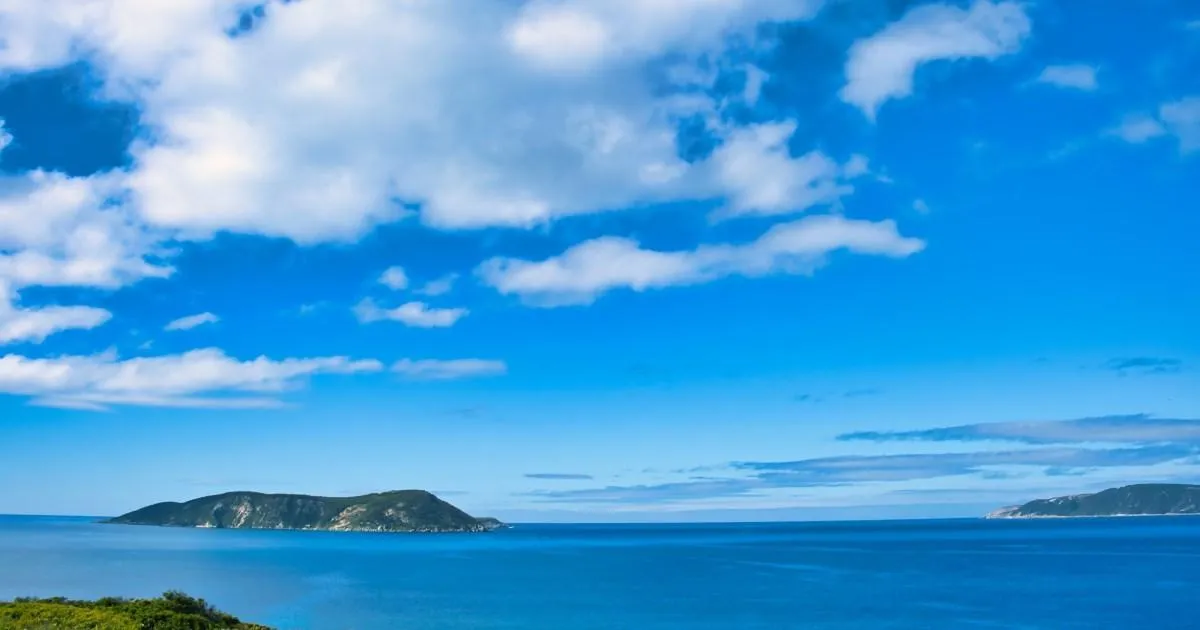
The coastal waters of Western Australia, typically a playground for those who love the sea, have become a site of profound grief following a tragic shark attack off Michaelmas Island. This past Saturday morning, what should have been a routine spearfishing trip for a 35-year-old man and his family turned into an unimaginable nightmare. As he dove into the waters near the mouth of Frenchman Bay, he was targeted by a shark estimated to be an imposing 4.5 meters (15 feet) in length. Despite his efforts and the immediate intervention of his family, the encounter proved fatal, casting a long, mournful shadow over the local community.
The devastation felt in Albany is echoed across the nation, as this incident marks the third deadly shark attack in Australia within a mere three weeks. This recent loss of life follows a harrowing sequence of events that has left the public searching for answers and grappling with the inherent risks of the Australian coastline. Earlier in the year, the country mourned the loss of 12-year-old Nico Antic, who tragically succumbed to his injuries after an attack at a Sydney beach, an event that highlighted the vulnerability of even the most popular swimming spots. When combined with the loss of a 39-year-old spearfisher on the Great Barrier Reef just two weeks ago and the May death of 38-year-old Steve Mattabonni off Rottnest Island, the pattern of these tragedies feels particularly heavy.
The nature of these encounters, particularly involving those engaged in spearfishing, brings a complex set of risks to light. While underwater, spearfishermen often find themselves sharing the ocean floor with apex predators, and the inherent activity of hunting can inadvertently draw attention. In this latest case, authorities are still working to identify the specific species involved, noting that many breeds—including the formidable Great White—are capable of reaching the massive size reported by witnesses. While these creatures are a natural and integral part of the marine ecosystem, the frequency of these fatal interactions is forcing a difficult and somber conversation about ocean safety and the realities of human-wildlife encounters.
Following the attack on Saturday, a desperate emergency response unfolded at the Albany Marina. The victim was transported to shore by boat, where paramedics stood ready, hoping for a miracle that ultimately did not come. The scene was one of chaos and heartbreak as authorities closed the marina to manage the emergency operations, leaving the community to stand by in stunned silence. For those who were there, the speed at which a peaceful morning turned into an emergency situation is a sobering reminder of how quickly the ocean’s temperament can change, leaving behind nothing but grief and unanswered questions.
In the aftermath, the Western Australian government and community leaders have been quick to offer their support. Premier Roger Cook issued a statement expressing his deep sadness, acknowledging that such a loss ripples far beyond just the victim’s immediate family. He spoke to the strength of the local community in Albany, urging everyone to rally around those suffering and emphasizing the importance of seeking support during such traumatic times. The police are now preparing a comprehensive report for the coroner, a standard but necessary step to formalize the details of the tragedy and perhaps gain insights into how such risks might be mitigated in the future.
As the authorities continue to monitor the waters around Michaelmas Island, the message to the public is one of extreme caution. Residents and visitors are being urged to respect all waterway closures and to remain acutely aware of their surroundings when entering the sea. While Australia is rightfully proud of its relationship with the ocean, these consecutive tragedies serve as a humbling reminder of the respect the sea demands. For the families who have lost loved ones, there is no solace that can replace a human life, leaving behind only the hope that these final, painful stories act as a catalyst for a safer coexistence between people and the wild, untamed beauty of our oceans.