

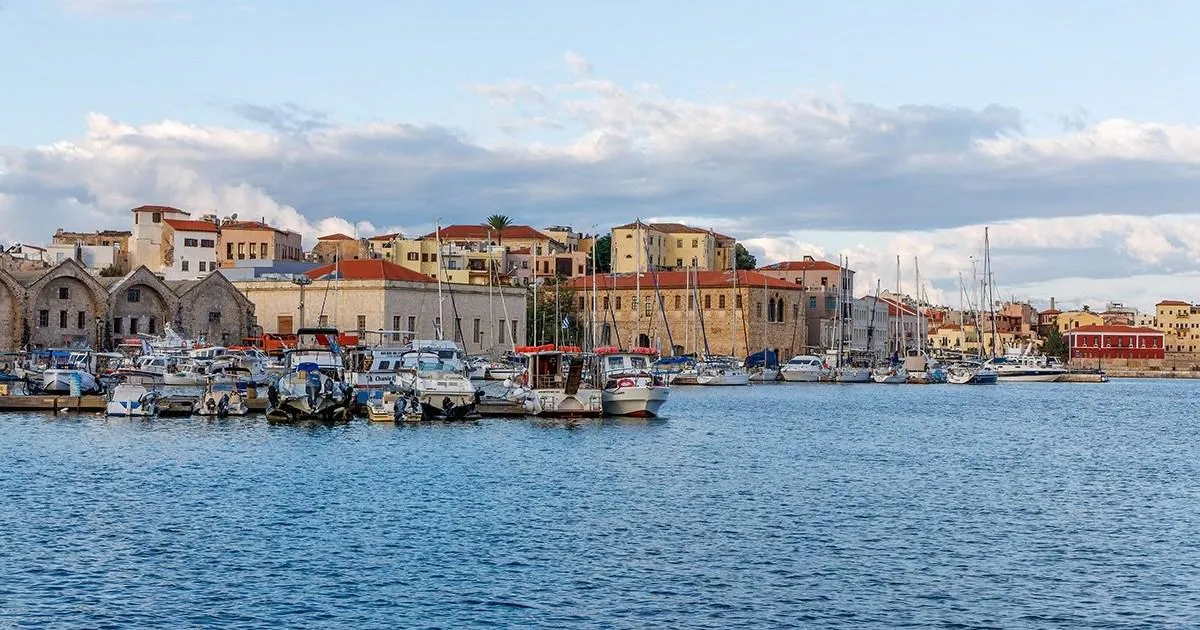
Tragedy struck in the Mediterranean recently when a 79-year-old British holidaymaker passed away shortly after being discovered unresponsive on the deck of a cruise ship. The vessel, which was navigating through Greek waters, made an emergency stop at the Port of Souda in Chania, Crete, in a desperate bid to provide the passenger with urgent medical attention. Despite the swift actions of fellow travelers and the ship’s medical staff who immediately administered first aid upon finding him, the situation remained dire. The man was rushed to a local hospital upon arrival at the port, but sadly, medical professionals were unable to revive him, and he was pronounced dead.
The local port authorities in Chania have since launched a preliminary investigation into the circumstances surrounding the sudden medical emergency. While cruise ships are generally equipped with robust medical facilities and protocols designed to handle health crises at sea, the loss of life remains a deeply distressing event for both the ship’s crew and the other passengers on board. Investigations of this nature are standard procedure in maritime law and local jurisdictions to ensure that all necessary safety checks are performed and to provide clarity regarding the cause of such an unexpected tragedy.
This incident marks the second time in just a few weeks that a British traveler has died while aboard a cruise ship near Greece. Earlier this month, a 67-year-old passenger passed away while sailing on a Maltese-flagged vessel near the island of Corfu. While the two cases appear unrelated, the back-to-back nature of these losses serves as a somber reminder of the vulnerabilities inherent in travel, even during what is intended to be a relaxing getaway. The British Foreign Office has been contacted for comment, as officials work to assist the families affected during this difficult time.
Crete, as the largest and most populated Greek island, has long been a centerpiece of the Mediterranean cruise industry. Its various ports, particularly Souda in Chania and the bustling capital of Heraklion, serve as major gateways for hundreds of thousands of international tourists each year. Managing such a high volume of traffic requires complex logistics, and while these ports are well-equipped to handle emergencies, the sudden arrival of a vessel due to a high-stakes health crisis disrupts the rhythm of island life, highlighting how quickly a vacation can turn into a difficult situation for emergency responders on the ground.
The cruise industry is built on the promise of seamless exploration and leisure, yet the reality of life at sea often involves managing the health and safety of diverse populations. For the crew and the passengers who witnessed the events on the deck in Chania, the experience serves as a stark disruption to their journey. The loss of a passenger always casts a heavy shadow over the ship’s atmosphere, reminding those on board that despite the grandeur of modern maritime engineering, the fragility of life is a universal concern that transcends borders and travel itineraries.
As the authorities in Chania continue their inquiries, the focus remains on the dignity of the deceased and the support systems available to their loved ones back home. Such events highlight the importance of travel insurance and the vital need for clear communication between cruise operators and local consular services. While cruise lines continue to provide essential updates and cooperate with local investigations, the focus inevitably shifts toward the human element, ensuring that the final journey of these travelers is handled with the utmost respect and sensitivity during the long process of repatriation.