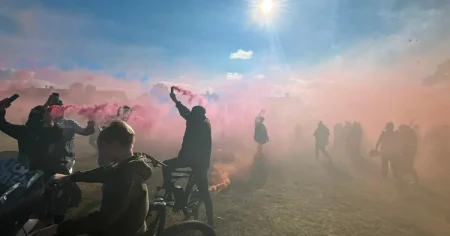


The euphoria that gripped the global sporting community during the World Cup often brought out the best in human connection, but in London, the deep emotional investment in football occasionally spiraled into dangerous territory. Following the intense semi-final match where France defeated Morocco 2-0, a celebratory atmosphere on Edgware Road rapidly devolved into chaos. What should have been a moment of reflection on a historic tournament performance by Morocco turned into a scene of hostility, as hundreds of fans took to the streets, disrupting public order and ultimately putting the lives of those sworn to protect the public in jeopardy.
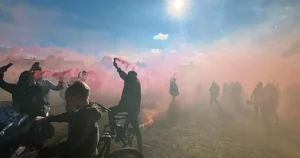
As the crowd swelled, the nature of the gathering shifted from boisterous celebration to aggressive confrontation. Police officers, who were initially dispatched to manage traffic and ensure the safety of pedestrians after the road was completely blocked, found themselves facing a volatile situation for which they were significantly outnumbered. The air, which had been thick with the tension of the match, soon became filled with projectiles. Fireworks, meant for displays of joy, were instead ignited and aimed directly at the officers, creating a terrifying environment where the line between sporting passion and criminal behavior blurred beyond recognition.
For one officer on the front lines, the escalation had life-altering consequences. While attempting to maintain a perimeter and calm the surging crowd, he was struck by a glass bottle hurled by a rioter. The impact was severe enough to render the officer unconscious, turning a standard crowd-control shift into a medical emergency. The sight of an officer being carried away illustrates the fragility of public safety during such outbreaks of violence, reminding us that behind every uniform, there is an individual whose primary goal is simply to return home to their family at the end of their shift.
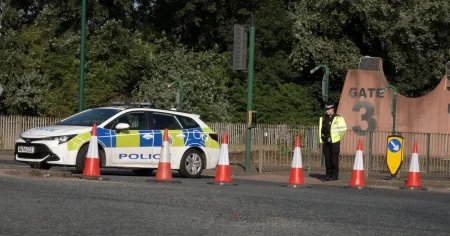
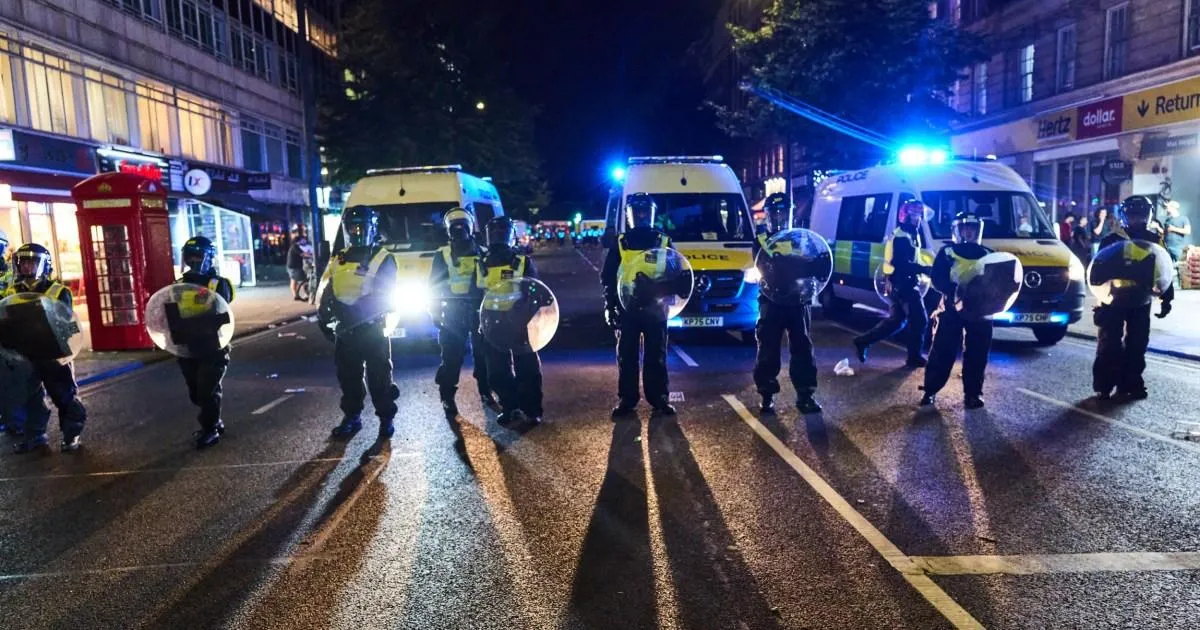
The Metropolitan Police were forced to adopt a tactical response, deploying riot gear and additional units to reclaim control of the street as the situation spiraled into a full-scale public disorder. This was no longer about soccer or shared heritage; it was an act of lawlessness that required a firm hand to restore domestic peace. Throughout the night, officers worked tirelessly to disperse those responsible for the chaos, eventually making four arrests. The streets, once paralyzed by the anger of the crowd, were finally cleared and reopened in the early hours of the morning, leaving behind a neighborhood left to account for the senseless violence.
In the aftermath, the official response from the Metropolitan Police was underscored by a deep sense of indignation. They made it clear that while they respect the passion fans bring to the World Cup, the physical assault of officers and the destruction of public property will never be tolerated. The statement issued by authorities was emphatic, signaling a commitment to utilize every tool at their disposal—including hours of CCTV and social media footage—to identify every individual who turned a peaceful match night into a site of brutality. The message was sent to the community: justice is coming for those who prioritized violence over sportsmanship.
Ultimately, this incident serves as a sobering reminder of the darker side of communal fervor. When the lines between sport and identity become too fragile, incidents like that on Edgware Road leave lasting scars on the community and provide a harrowing lesson on the cost of unchecked rage. While the injured officer has since been released from the hospital, the trauma of the night lingers. As we look at the future of these global tournaments, it is a call to action for fans to uphold the spirit of the game, recognizing that no scoreline—no matter how painful—is worth the sacrifice of public safety or the humanity of those who stand in the line of fire.