



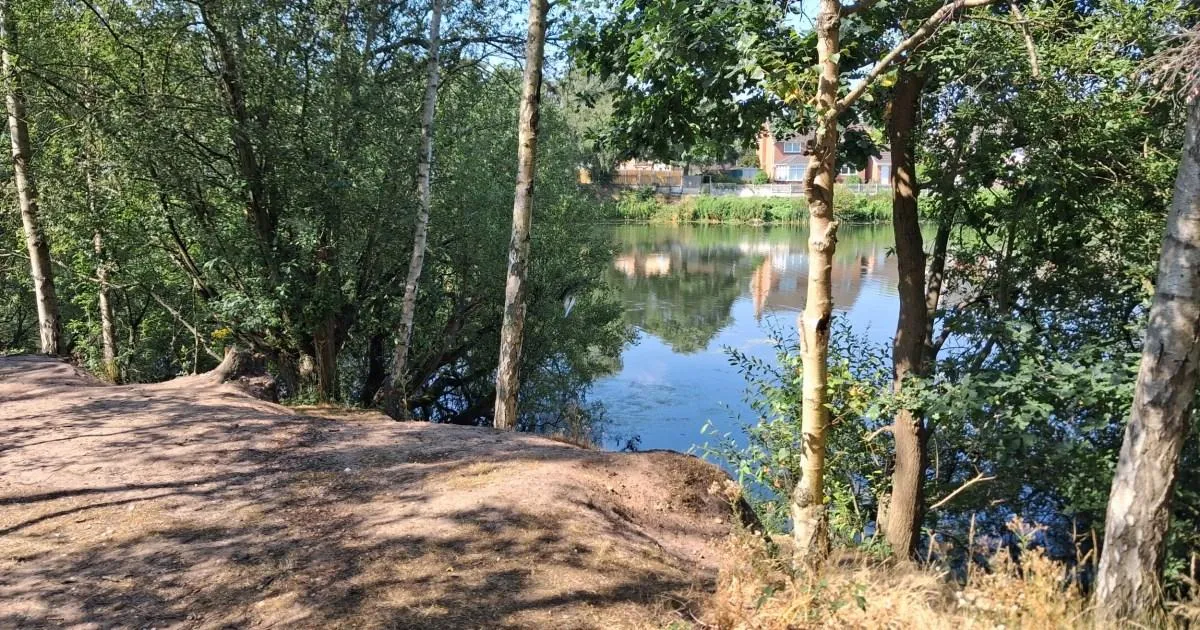
The recent tragedy at Swanholme Lakes in Lincolnshire has cast a long, heavy shadow over the local community, serving as a heartbreaking reminder of the silent dangers lurking beneath the surface of our beautiful, cooling waters. Just yesterday evening, the tranquility of the nature reserve was shattered when a 16-year-old boy, seeking relief from the oppressive heat, found himself in desperate trouble. Despite the swift response of police, fire, and ambulance crews who managed to recover him and provide emergency care, the young man ultimately passed away at the hospital later that night. His loss is not just a statistic; it is a life cut devastatingly short, leaving behind a family and a circle of friends currently navigating the depths of unimaginable grief.
What makes this loss even more profound is that it is the second such tragedy to hit the exact same area in just a matter of weeks. In late May, during another intense period of heat, 15-year-old Declan Sawyer lost his life after encountering difficulties in the same waters. To see such a vibrant, popular spot for local recreation turn into a place of sorrow twice in such a short window is deeply distressing for the residents of Lincoln. The recurring nature of these incidents strikes at the heart of our community, forcing us to reconcile our desire to escape the summer heat with the reality that open water, however inviting it may appear, remains unpredictable and unforgiving, even for those who consider themselves strong swimmers.
The ripple effect of this tragedy extends far beyond the immediate shock felt at the lakeside. Lincolnshire Police have issued a plea for compassion and patience, urging the public to avoid speculation or the spreading of unverified information, which only serves to compound the agony of those left behind. They have been careful to emphasize that the victim’s parents were by his side at the hospital—a detail that reminds us of the human element behind every report. Authorities are encouraging those who have been affected by this news to reach out for support, recognizing that the emotional toll of losing such a young member of the community is a burden that should not be carried in isolation.
In response to these mounting concerns, city leaders are accelerating efforts to manage public safety in our open spaces. The City of Lincoln Council is currently preparing to approve a pilot project that would introduce dedicated wardens to monitor local lakes and green spaces, a preventative measure designed to nudge people away from dangerous risks. It is a necessary, albeit reactive, step that highlights the tension between our seasonal urge to cool down and the urgent need to keep citizens safe. While the heatwave continues to drive people toward the water, officials are doubling down on their warnings, begging residents to prioritize their lives over the temporary comfort of a swim.
This issue, however, is far from confined to Lincolnshire. Across the UK, this summer has seen a distressing uptick in water-related fatalities, reflecting a broader pattern of risk whenever temperatures crest into record-breaking territory. From reservoirs in Tameside to coastal stretches in Wales, the cost of the heatwave has been paid in human lives. The international experience echoes these struggles, with countries like France seeing significant spikes in drowning deaths as people flock to lakes and rivers to escape the suffocating heat. These stories, while separated by geography, tell a singular, repetitive tale of how quickly a moment of respite can turn into a permanent family tragedy.
As we look toward the remainder of the summer, the message is clear: no amount of heat is worth the risk of entering untested waters. It is a time for the community to look out for one another, to check in on neighbors, and, above all, to respect the water. Our hearts go out to the families of these two boys, and we offer them our deepest condolences as they face the impossible task of saying goodbye. By talking more openly about water safety and keeping our fellow residents informed, perhaps we can prevent another name from being added to this growing list, ensuring that our lakes become spaces for collective enjoyment rather than sites of painful remembrance.