


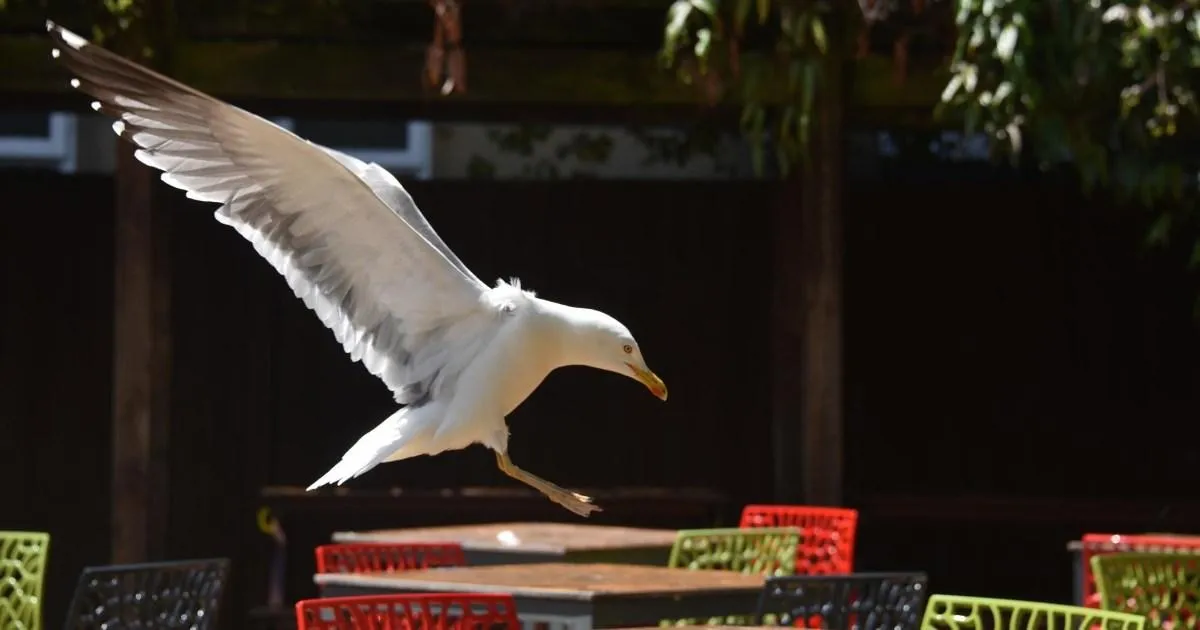
Dining at the Glasshouse Wetherspoons in Norwich has recently turned into a high-stakes adventure, but not because of the menu or the service. The pub’s terrace has become a battleground, where the primary antagonists aren’t disgruntled customers, but a gang of local, street-smart seagulls with a particular penchant for pub grub. These avian opportunists have become infamous for their “smash and grab” tactics, swooping down with military precision to snatch chips and snacks right off the plates of unsuspecting diners. It has become a quintessential, if slightly chaotic, part of the Norfolk dining experience, leaving staff and patrons scrambling to handle the fallout of these mid-air heists.
For a long time, the pub’s response to these feathered bandits was surprisingly accommodating. Whenever a customer suffered the indignity of watching their lunch disappear into the beak of a circling gull, management would often step in with a sympathetic refund or a fresh plate. It was a gesture of goodwill that recognized the unpredictable nature of seaside-adjacent dining. However, as the frequency of these “chip-nappings” escalated, the generosity became unsustainable. The sheer volume of opportunistic thefts reached a point where the pub could no longer absorb the cost, turning what was once a quirky local issue into a logistical headache for the management team.
In an effort to curb the chaos, the Glasshouse has officially drawn a line in the sand—or rather, a sign on the table. New notices have been posted explicitly informing customers that, from here on out, food stolen by seagulls will neither be replaced nor refunded. The messaging is direct: diners are now personally responsible for keeping a hawk-eye on their meals. This policy shift marks a significant departure from the pub’s previous posture, signaling that if you are dining al fresco, you do so at your own risk. It’s a harsh reality for those who expect a relaxing pint and a plate of food, but it is the pub’s way of acknowledging that they are no longer in the business of compensating for the local wildlife’s appetite.
The response from the public has been as divided as the species of gulls themselves. On one side are the disgruntled patrons who feel that the pub has a duty of care to provide a safe space for their customers. Nineteen-year-old Isla Gardner, for instance, vocalized what many are thinking: if the establishment invites you to eat outdoors, they should be responsible for protecting that experience. She argues that flatly refusing refunds is inherently unfair, especially when the birds are known to be aggressive. Others, like 78-year-old Gillian Nobbs, echo this sentiment, placing the burden squarely on the business to find a way to deter the persistent intruders rather than passing the frustration onto the paying customer.
Conversely, there is a vocal contingent of regulars who believe the pub is being unfairly scapegoated. Seventy-six-year-old Steve Everitt, a frequent visitor to the Norwich Wetherspoons scene, stands firmly in the camp that individuals should take more personal responsibility for their plate. He views the seagulls’ presence as a natural side effect of the location and believes that protecting one’s lunch is just part of the deal. From his perspective, the pub isn’t at fault for the persistent gulls. For fans like him, the staff shouldn’t be expected to act as bouncers against animals that possess a wingspan nearly six feet wide, especially when guests have the agency to just move their food inside.
Ultimately, the situation at the Glasshouse illustrates the weird, tense relationship between British urban life and the natural world. While management is currently reviewing whether additional deterrent measures might be possible, they remain hamstrung by the fact that these birds are as persistent as they are hungry. For now, the takeaway for anyone visiting the Glasshouse is clear: enjoy the fresh air, but treat your meal like a high-value asset. Whether you view it as a frustrating failure of customer service or a comical hazard of nature, the era of the “free seagull-stolen-lunch” is officially over, leaving diners to decide if the risk of losing their chips is worth the pleasure of an outdoor terrace view.