



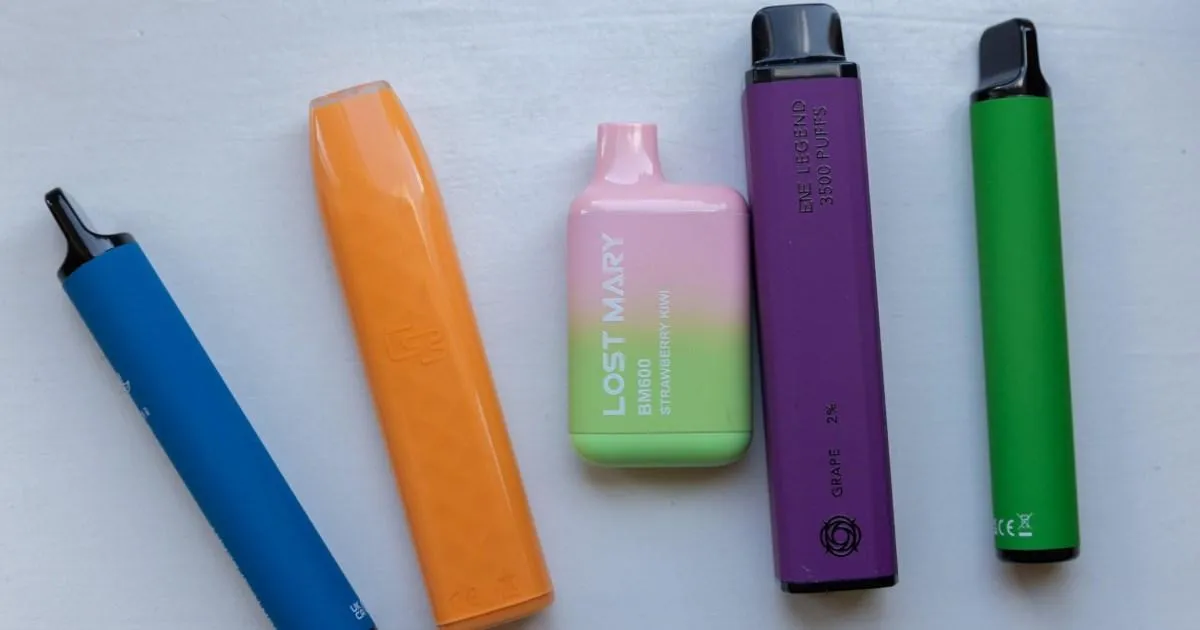
Here is a summary and humanized take on the proposed vaping legislation, expanded to reflect the broader societal implications of these changes.
The landscape of vaping in the UK is on the cusp of a major transformation as health officials launch an ambitious 12-week consultation aimed at curbing the appeal of e-cigarettes to children. For years, the market has been flooded with neon-bright packaging, whimsical flavor profiles, and sleek designs that have turned vaping into a lifestyle accessory for the youth. The new proposals aim to strip away this “shelf appeal” entirely. By mandating plain, uniform packaging for all devices and restricting the color palette to stark shades of white, black, or grey, the government is making its priority clear: it wants to ensure that nicotine products are viewed strictly as a cessation tool for adults, rather than a colorful, enticing trend for the next generation.
At the heart of this shift is a profound concern from both parents and medical professionals about the normalization of nicotine addiction among minors. Health Secretary James Murray has been vocal about the fundamental wrongness of marketing tactics that essentially treat children as a target demographic. When flavored vapes with names mimicking candy, desserts, or even alcohol are placed at eye level in shops, it creates a subconscious bridge between sweet treats and a habit-forming substance. The proposed legislation seeks to break this connection by enforcing neutral, descriptive names like “apple” while banning the sugary, marketing-heavy jargon that has successfully seduced a demographic that should not be vaping in the first place.
The statistics underlying this initiative are sobering and provide the necessary catalyst for such drastic measures. According to data from the charity Action on Smoking and Health, nearly one in five 11- to 17-year-olds in Britain has experimented with vaping. For the doctors and pediatricians working on the frontlines, this isn’t just a data point; it is a developing public health crisis that requires meaningful intervention. By removing these products from sight in shops—essentially pushing them into the same category as traditional tobacco—officials are hoping to reduce the impulsive, visual triggers that lead curious teenagers to take their first puff. As Professor Sir Chris Whitty has stated, the previous status quo of unchecked, aggressive marketing toward youth was, quite simply, unacceptable.
This push toward plain packaging is not an experimental concept, but rather an evolution of a strategy that has proven its worth before. Since the introduction of standardised packaging for cigarettes in 2017, the UK has seen a steady decline in the allure of smoking, and health experts are confident that applying these same principles to the vaping market will yield similar results. The goal is to create a clear boundary between products intended for adult harm reduction and products that pose a risk to the development and health of young people. By removing the “fun” element from the aesthetic, the government hopes that curiosity toward these devices will naturally wane, allowing them to return to their intended purpose: helping long-term smokers quit.
Beyond the specific restrictions on vapes, the consultation marks a widening of the net for tobacco control. The proposals include provisions that go further than ever before, such as placing mandatory health-related inserts into cigarette packs to guide users toward quitting resources. Furthermore, the government aims to close loopholes that have long allowed duty-free shops and airports to serve as “showrooms” for tobacco products. By mandating that all tobacco, from rolling papers to cigars, be kept out of sight even in these travel hubs, the UK is solidifying its commitment to becoming a smoke-free country. These measures are designed to remove tobacco from the public consciousness, making it a background element of society rather than a prominently advertised feature.
Ultimately, these changes represent a cultural pivot in how society views nicotine consumption. While acknowledging that vaping plays a legitimate role in the lives of adults striving to move away from combustible cigarettes, the government is refusing to sacrifice the wellbeing of the youth on the altar of commercial convenience. This isn’t necessarily about banning the product; it is about stripping away the glamour, the color, and the accessibility that have made it a pervasive issue in schools and homes across the country. Through these 12 weeks of consultation, the focus will remain on building a system that treats our younger generations with the care they deserve, ensuring that the next generation grows up in a world where addiction is not just less accessible, but far less appealing.