

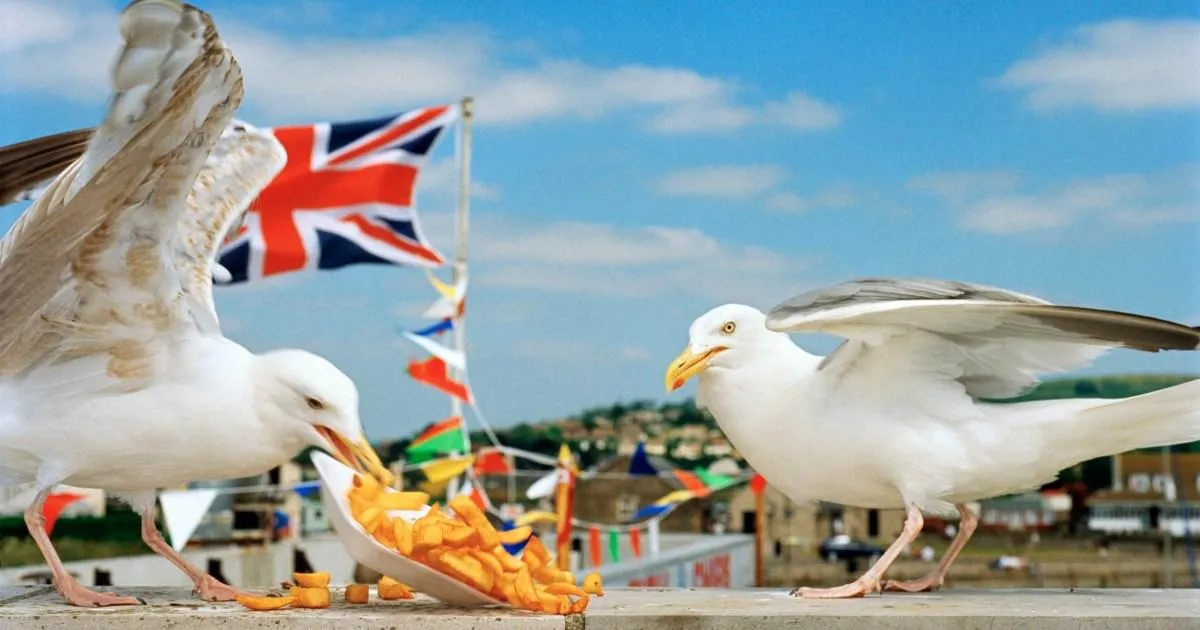
The idyllic, sun-drenched atmosphere of St Ives, Cornwall, was shattered this week by a shocking incident that has left locals and visitors reeling. What should have been a pleasant afternoon by the sea turned into a scene of visceral violence when a tourist allegedly lashed out at a seagull that had dared to snatch his lunch. According to witnesses, the man, who was visiting with his family, reacted to the theft of his pasty by brutally striking the bird, knocking it from its perch on a harbor wall. The incident, which unfolded in broad daylight, has sparked a firestorm of outrage, with many observers expressing deep dismay that such a display of cruelty occurred in front of young children.
The aftermath of the encounter has left the community deeply disturbed, particularly because of the emotional toll such an act of violence takes on those who witnessed it. One parent, writing online, described the ordeal as “absolutely horrifying,” noting that the assault took place just feet away from their two-year-old child. Another witness, who managed to help the injured bird, offered a brief glimmer of hope amidst the grim reports. After moving the animal to a quiet corner, they observed it showing signs of recovery before it eventually disappeared. However, concerns remain high regarding its survival, as the bird had suffered a visible chest injury from what onlookers described as a “ridiculously hard” punch.
Despite the intensity of the public outcry, the incident has highlighted a fractured local sentiment regarding the ever-present seagull “problem.” While the vast majority of voices have condemned the man’s behavior as an act of senseless cowardice, a small subset of the community has offered a more nuanced—albeit controversial—defense. These individuals argue that the man acted on a primal, instinctive reaction to having his property stolen. They posit that if a human were to attempt to rob a person, a defensive physical response might be justified; for some, the bird’s status as a “menace” to tourism outweighs the need for a non-violent resolution, creating a clash between animal welfare and the frustration of coping with aggressive wildlife.
However, the legal reality in the United Kingdom is unambiguous: such acts are strictly prohibited by law. Under the Wildlife and Countryside Act 1981, all species of gulls are fully protected. This legal shield means that killing, injuring, or disturbing these birds—or their nests and eggs—is a criminal offense punishable by significant penalties, including unlimited fines and potential jail time of up to six months. The perceived nuisance of a bird swooping for chips does not grant anyone the authority to take the law into their own hands, a fact that the authorities are now emphasizing as they begin their investigation into the matter.
Following the surge of reports and vitriol on social media, Devon and Cornwall Police have stepped in to address the incident. A spokesperson confirmed that the force is officially appealing for witnesses and any available video footage to clarify the events of that Wednesday afternoon. Intriguingly, while the story has traveled far and wide across the internet, the police noted that the initial report they received was “third-hand,” as none of the individuals who were actually present at the scene had come forward to file an formal report. This disconnect between viral digital outrage and real-world legal reporting is a common modern dilemma that often hinders the ability of law enforcement to hold individuals accountable.
As the dust settles in St Ives, the controversy serves as a stark reminder of the fragile balance between human leisure and the natural world. It raises difficult questions about how we, as a society, process anger and address the daily frustrations of living near wildlife. Whether the seagull survived or not, the incident has left a lasting impression on the town, forcing a conversation about compassion, the limits of reactive violence, and the laws meant to protect those who cannot speak for themselves. For now, the hunt for the truth continues, as detectives attempt to sift through the noise of social media to find the facts beneath the anger.