
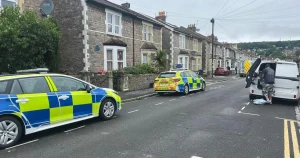

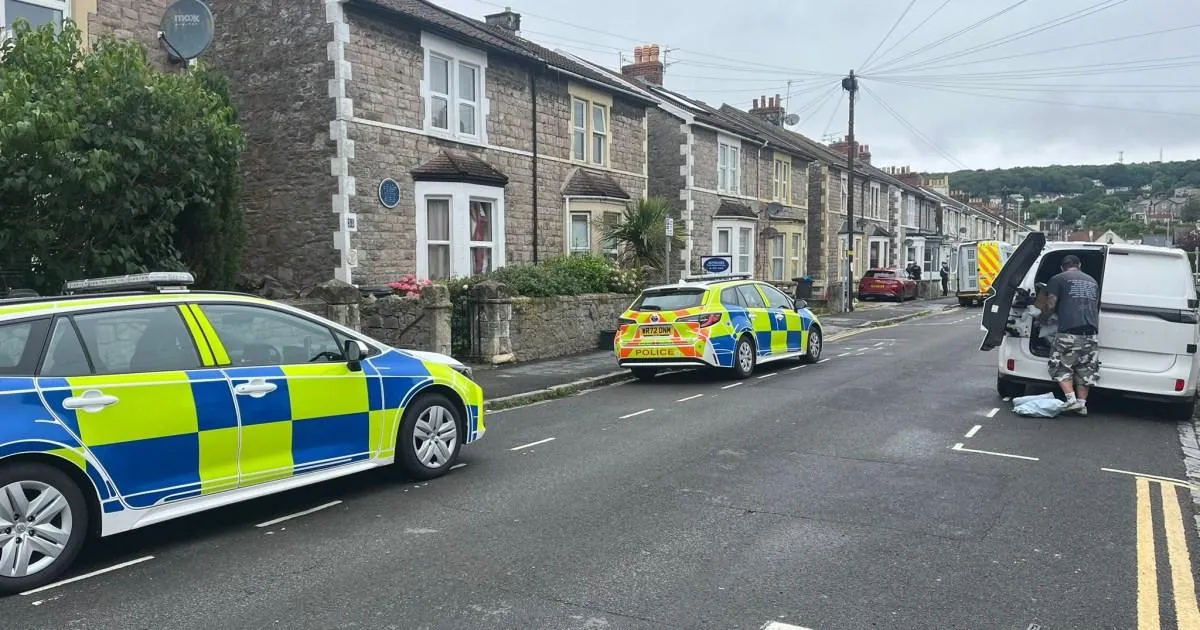
The quiet neighborhood of George Street in Weston-super-Mare has recently found itself in the uncomfortable spotlight following a police raid that resulted in two arrests on suspicion of supplying crack cocaine. While the intervention by law enforcement was a necessary step, for the people who call this street home, it represents only a small victory in a much larger, ongoing struggle. Residents have been living in the shadow of persistent, blatant drug activity that has slowly eroded the peace of their community, leaving them feeling vulnerable and increasingly frustrated by the situation unfolding right outside their front doors.
Living so close to a primary school—a mere two-minute walk away—creates a sharp contrast between the innocent play of local children and the grim reality of the drug trade. Parents and neighbors are deeply protective of the youngsters in their community, who should be free to run, cycle, and play without encountering individuals sidelined by substance abuse. There is a palpable sense of anger that these vulnerable children are being forced to navigate a landscape where drug paraphernalia and chemical residue have become an accidental part of their daily environment, a reality that deeply concerns those who value the safety and well-being of the next generation.
The residents are not merely observers; they are people who feel the weight of this anti-social behavior on a personal level. Many who live on the street are older or live alone, and the presence of erratic, often incapacitated individuals on their doorsteps creates a persistent, underlying anxiety. One resident described the disturbing experience of coming across a glass pipe left behind by someone who had been visibly under the influence, noting the shock of realization when they realized the potential chemical dangers these discarded items pose to anyone—whether it be a resident cleaning up or a curious child—who might accidentally come into contact with them.
A source of significant frustration for the community is the sheer lack of subtlety surrounding the activity. Whether it occurs in the open on the street or tucked away in the dead-end alleyways that effectively function as “private” spaces for dealers and users, the behavior is described as bold and frequent. While it is noted that the street is home to “dry houses”—places meant for people in rehabilitation—the illicit activity surrounding the area creates a chaotic environment that makes recovery incredibly difficult for those genuinely seeking to turn their lives around, while simultaneously endangering the stability of the neighborhood at large.
The community has been active in their response, maintaining open lines of communication with their local MP, Dan Aldridge, as well as the council and the Avon and Somerset Police. They speak highly of these officials’ willingness to listen, yet they are exhausted by the cycle of reporting the same issues repeatedly, waiting until resources eventually allow for an intervention. They understand that law enforcement operates with limited bandwidth, but the feeling remains that the bureaucratic process for addressing these “persistent and harmful” issues is often too sluggish to keep pace with the daily reality of those living through it.
Ultimately, the police have acknowledged that the success of their recent warrant was built on the courage of the community, crediting residents for their vital information sharing. Sergeant Joe Pitman’s commitment to “relentlessly pursue” those driving these issues offers a glimmer of hope to a neighborhood that refuses to be defined by the criminality surrounding them. As the community continues to advocate for a safer, cleaner street, their experience serves as a stark reminder of the corrosive impact of drug crime on social cohesion—and the immense, collective effort required from both citizens and authorities to reclaim the home they work so hard to maintain.