



The summer holidays have officially kicked off, and with them comes the annual migration of millions of families across the UK. As schools break up for the long summer recess, the nation is preparing for its busiest weekend on the roads in four years. Whether they are packing up the caravan or heading toward the coast, families are eager to embrace the pleasant, manageable temperatures of the season. The highways have transformed into a parade of pool floats and camping gear, reflecting that universal excitement that only comes with the promise of a well-deserved getaway.
The numbers behind this mass movement are truly staggering. According to the RAC, we are looking at roughly 14.1 million motorists venturing out between Friday and Sunday. Saturday is expected to be the most intense day, with nearly 3.8 million people hitting the tarmac simultaneously. When you factor in those who are keeping their travel plans flexible, an additional 6.8 million trips are expected to be spread across the weekend. It is the highest surge in movement we have seen since 2016, falling just shy of the record-breaking post-lockdown travel scramble of 2022.
Given the surge in staycations, specific regions are bracing for heavy congestion. The south-west and north-west of England are expected to bear the brunt of the leisure traffic. Major thoroughfares like the M1 and the M25 are already flagged as potential hotspots, where stop-start traffic is almost guaranteed. Experts are offering some sage advice: if you can, try to travel during off-peak hours, such as very early in the morning or late in the evening. Planning ahead is the difference between a smooth start to the holiday and being stuck in a hot, stationary car for hours on end.
Preparation is key to avoiding the pitfalls of summer travel. The heat, while more comfortable than recent years, can still be taxing when sitting in heavy traffic. Experts at the RAC are encouraging travelers to pack more than just snacks and music; staying hydrated is vital, and having sunscreen and shade protection on hand is a smart, proactive move. If you find yourself in a queue, don’t let the frustration get the better of you—pack a little extra patience and ensure your vehicle is as ready for the heat as you are before you even leave the driveway.
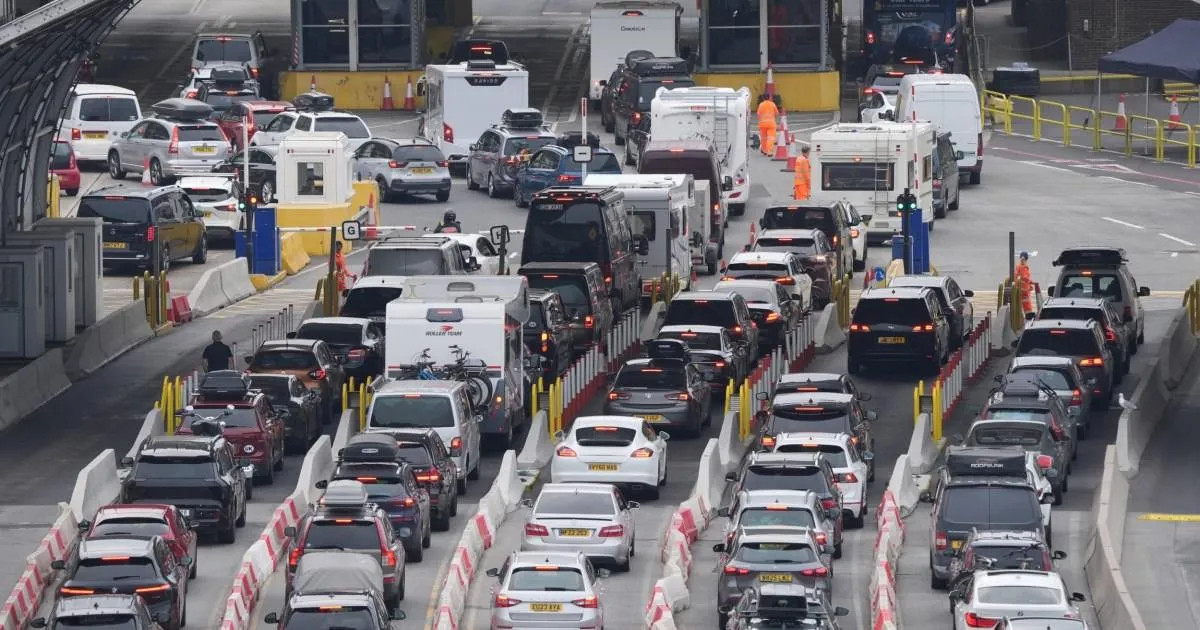
The situation at the Port of Dover serves as a perfect microcosm of the logistical challenge facing holidaymakers today. Thousands of cars have been flowing through the port, with ferry passengers being warned not to arrive too far in advance, despite the natural urge to get through the gates as quickly as possible. While traffic has been manageable so far, the shadow of previous “critical incidents”—where wait times stretched into several agonizing hours—hangs over the operation. The port has invested significantly in new infrastructure, though officials have expressed frustration that some of this new technology remains inactive, hindering the efficiency of the crossing.
Behind this complexity lies the new reality of European travel for UK residents: the Entry/Exit System (EES). This automated IT system is designed to tighten security by scanning fingerprints and taking photographs of travelers entering the Schengen Area. While it is a necessary part of modern border security, it adds a layer of process to every departure. As families head off for their well-earned breaks, it is a reminder that the world of travel is always evolving. Regardless of the checkpoints or the traffic jams, the spirit of the British summer getaway remains unshakable. So, pack the car, double-check your route, and remember that the journey is hopefully just the prelude to a much-needed period of rest and sunshine.