



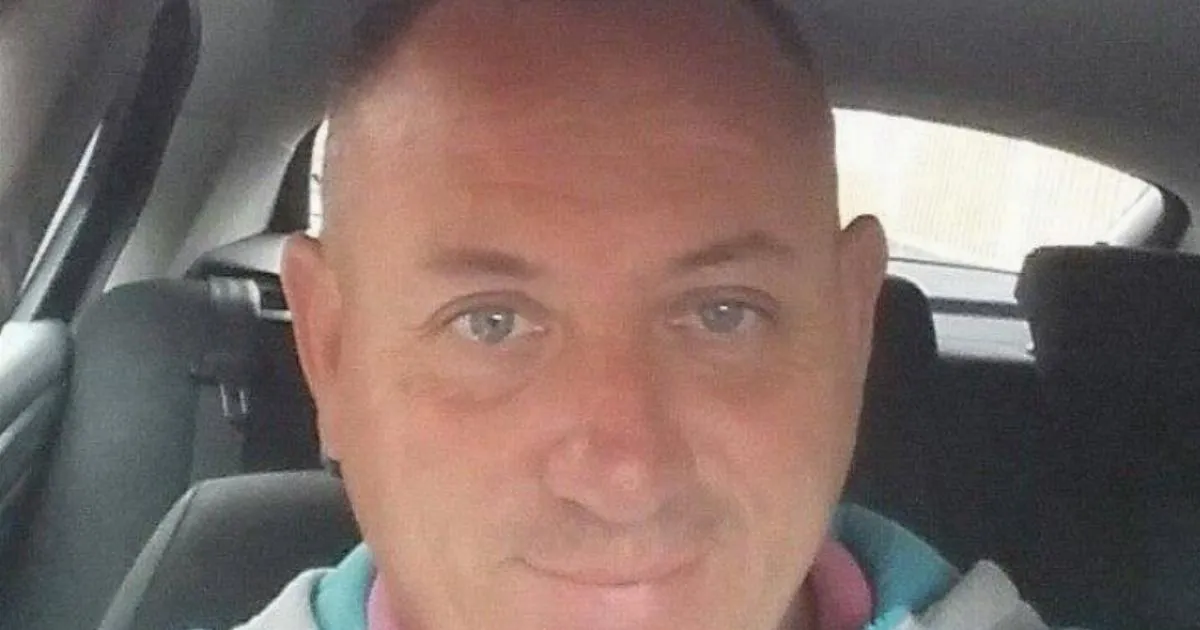
The tragic events of July 29, 2024, in Southport remain a source of profound sorrow for the nation, a day defined by the senseless loss of three young girls—Bebe King, Elsie Dot Stancombe, and Alice da Silva Aguiar—and the horrific injuries inflicted upon many others. At the heart of the investigation into that afternoon stands a harrowing dashboard camera recording: the moment taxi driver Gary Poland, having unwittingly transported the seventeen-year-old perpetrator, Axel Rudakubana, to the Hart Space studio, watched as the violence unfolded. The footage captures a scene of pure terror, showing children fleeing for their lives as the assailant began his attack. Instead of intervening or calling for help, Poland drove away, leaving behind a scene of agony that would soon make headlines around the world.
The inquiry into the massacre has been a painful process, forcing the public to confront not just the actions of the killer, but the inaction of those who witnessed the unfolding tragedy. Poland’s testimony revealed a complex emotional landscape; he claimed that upon seeing the children scattering and hearing what he believed were gunshots, he descended into a state of “panic mode.” In the moments that followed, he did not reach for his phone to alert the police. Instead, he drove to pick up another passenger, called a friend, and spoke with his wife. It was only after reaching the safety of his own home nearly an hour later that he finally dialed 999. His admission that he still hears the “harrowing screams” of those children serves as a haunting reminder of the life-altering weight he now carries.
However, the legal and professional consequences for Poland were swift. Sefton Council, tasked with maintaining the integrity and safety standards of the local transport industry, ultimately revoked his taxi license. Their licensing conditions are clear: when a child is in immediate danger, a driver has a moral and professional obligation to contact emergency services immediately. By failing to act when the studio became a site of carnage, the council determined that Poland simply did not meet the standards required of a public-facing professional. While the specific legal nuances of his revocation remain private, the decision signals a broader societal expectation that those who occupy positions of public trust must be prepared to act with courage when confronted with an emergency.
Beyond the actions of the taxi driver, the inquiry has shone an unforgiving light on the systemic failures that enabled this tragedy. Sir Adrian Fulford, the chairman of the inquiry, did not mince words, describing a “fundamental failure” across various agencies—mental health, social care, and counter-extremism bodies—that had known about the risks posed by Rudakubana for years prior to the attack. Despite these warning signs, no single organization took ownership of the threat he represented. The findings paint a picture of bureaucratic inertia that proved fatal. It is a sobering indictment of a system meant to protect the vulnerable, confirming the grim reality that the deaths of Bebe, Elsie, and Alice could and should have been prevented.
The government’s response has been one of solemn acceptance. Home Secretary Shabana Mahmood confirmed that the administration is adopting all recommendations from the first phase of the inquiry in full, acknowledging that the nation owes it to the bereaved families to “right these wrongs.” The loss of such young, vibrant lives has left a hole in the community of Southport that can never be filled. Every policy shift and every regulatory review that follows is haunted by the question of what might have been different if someone—either in the months leading up to the attack or in those crucial seconds outside the studio—had taken a different path.
Ultimately, the story of Gary Poland and the Southport inquiry is a deeply human one, illustrating the divide between the way we hope to react in a crisis and the way we often do. It is a story about the fragility of life, the heavy burden of responsibility, and the painful necessity of accountability. As the details of the inquiry continue to emerge, the focus remains where it belongs: on the victims and their families. While justice and institutional reform are essential steps in the healing process, they serve as a late, heavy consolation for a community that lost its innocence on a summer afternoon, left to grapple with the knowledge that the help they so desperately needed never arrived.