



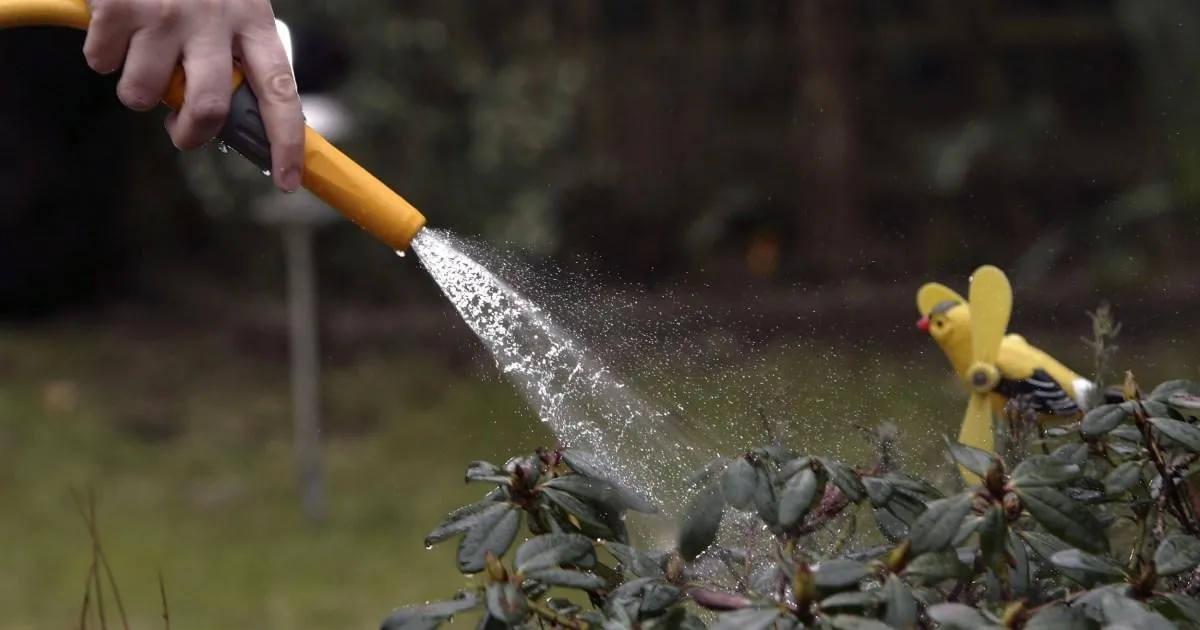
For the second consecutive year, residents across Hampshire and the Isle of Wight are facing the reality of a mandatory hosepipe ban. Starting July 10, over one million people will be restricted from using hosepipes for non-essential tasks, a measure Southern Water feels is essential to keep the local infrastructure from buckling under the strain. While the official start date is still a few days away, the water provider has made an urgent plea for households to stop using hoses immediately to alleviate the immense pressure on the network. Without a significant and sustained period of rainfall, it is highly likely that these restrictions will remain in place well into the autumn months, mirroring the challenging dry spells that have become an unwelcome recurring theme for the region.
The decision for this ban didn’t happen in a vacuum; it is the direct consequence of a punishing climate reality. Record-breaking heatwaves have seen temperatures soar as high as 37C, causing water supplies to evaporate at an alarming rate. Perhaps most concerning is the state of the River Test. As the primary water source for those in Hampshire and the Isle of Wight, its levels have plummeted to a critical point. Tania Flasck, the director of water operations, revealed that water flow in June was a mere third of what was expected. The drop in water levels has occurred much faster and more severely than experts’ models initially forecasted, leaving water companies in a race against time to manage what little supply remains.
Beyond the immediate concerns of water consumption, the climate situation across Western Europe has been nothing short of volatile. Recent weeks saw temperature records smashed for three consecutive days, leaving commuters stranded amid major travel disruptions at Heathrow, Gatwick, and across the rail network. In densely populated urban centers like London and Paris, the “heat island” effect—exacerbated by concrete infrastructure, narrow streets, and poorly insulated housing—turned homes into stifling traps. The human cost of these heatwaves has been tragic, with over 1,300 excess deaths linked to the extreme temperatures on the continent and at least seven people losing their lives to drowning in UK open waters while trying to cool off.
As we look toward the immediate future, there is little comfort for those hoping for a reprieve from the summer heat. Meteorologists are already tracking another warm-weather front expected to move in over the coming weekend and into next week. While the UK is currently enjoying a temporary sense of relief, with temperatures hovering below 25C even in the traditionally warmer South East, this is merely a pause rather than an end to the weather’s instability. While regions in northern England and Scotland might see some beneficial rain showers in the next few days, it is unlikely to provide much relief for the parched landscapes of the South.
The geographical disparity in rainfall is a primary concern for experts like Jim Dale, the founder of British Weather Services. He warns that the areas most desperate for precipitation are precisely those least likely to receive it, leaving the southern regions at a persistent risk of drought. This reality leaves authorities with difficult choices, including the potential for extending existing bans—like the one already in place for South East Water customers in Kent—or implementing even stricter water management measures if the dry spell continues to persist. The current situation serves as a stark reminder of how fragile our water security has become in the face of erratic and increasingly intense weather patterns.
In the face of these challenges, the message to the public is one of personal responsibility and collective caution. The situation is not merely a bureaucratic hurdle, but a response to the undeniable signs of a changing climate that is impacting our daily lives, from how we water our gardens to how we navigate public transport. As we head deeper into summer, the plea to “put down the hosepipe” serves as a small but vital way for communities to cooperate in safeguarding a diminishing natural resource. For now, the region waits—keeping one eye on the sky, hoping for the rain that is so desperately needed, and another on the tap, hoping the supply holds until the season finally turns.