

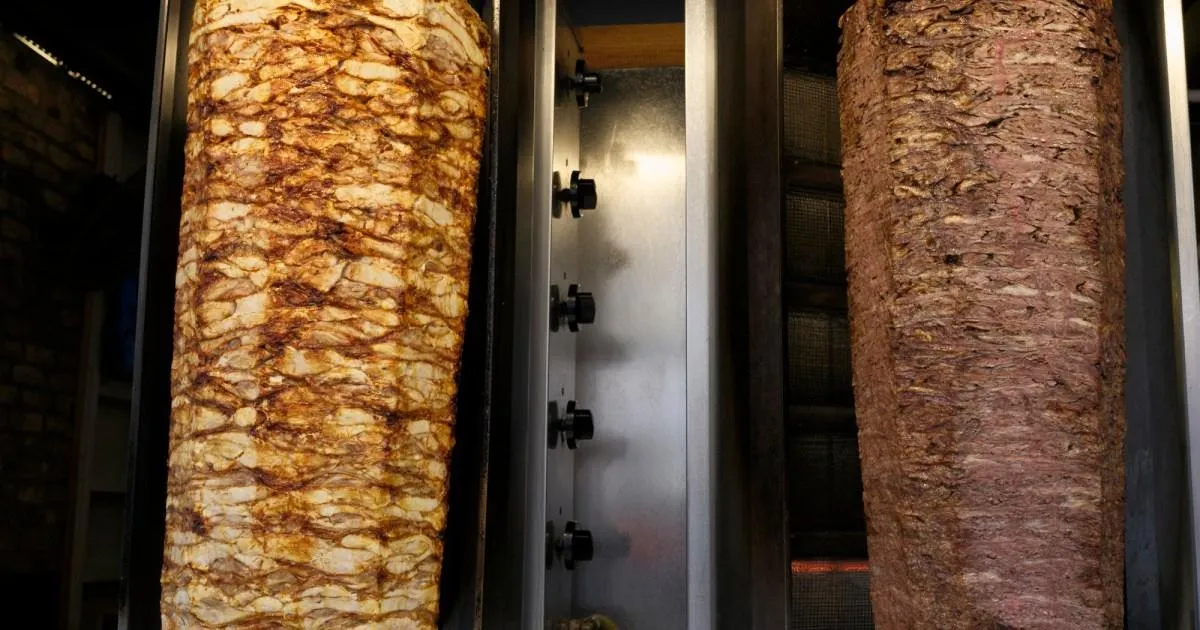
For many of us, the doner kebab is the quintessential British late-night staple—that greasy, savory comfort food we reach for after a night out or when cooking feels like too much of a chore. We’ve all made our peace with the fact that it’s not exactly gourmet dining; it’s processed, it’s salty, and it’s arguably not the healthiest choice. But there is a massive social contract between us and the food industry, and that contract relies entirely on the premise that when we pay for lamb, we are actually getting lamb. A shocking new investigation by the BBC has exposed a massive breach of that trust, revealing that one of the UK’s largest kebab manufacturers has been caught in a web of deceit, serving up goat, skin, and fat to unsuspecting customers across the country.
The scandal centers on Kismet Kebabs, a significant player in the national supply chain, which has recently admitted to widespread food fraud dating back to 2021. The reality uncovered by investigators is honestly nauseating: products marketed and sold as “70% lamb” were subjected to DNA testing, which revealed that they contained less than 10% sheep DNA. When local trading standards officers raided the factory in 2021, the findings were even more damning. They didn’t just find a lack of lamb; they found a complete absence of it. Instead of the premium meat consumers were led to believe they were purchasing, officers discovered pallets overflowing with goat meat, questionable trimmings, offcuts with high fat content, and boxes of animal skin.
To visualize the manufacturing process described by investigators is to realize just how far removed these products are from actual food. According to Rhys Harries, a trading standards officer involved in the case, all of these random animal parts—skin, fat, goat meat, and various offcuts—were fed into a massive industrial mincer. The result of this process, he noted, was a substance that looked less like food and more like “Play-Doh.” It’s a stark reminder that while we often joke about the mysterious origins of our takeaway, the reality is far more clinical and unsettling than our wildest speculations. This wasn’t merely a small error in labeling; it was a wholesale scam where the manufacturer was charging wholesalers and, by extension, customers a premium price for something that was essentially a collection of “rubbish.”
The scale of this deception has inevitably invited comparisons to the infamous 2013 horsemeat scandal, which rocked the reputation of major supermarkets like Tesco and shattered public confidence in the integrity of the food supply chain. Just as that scandal highlighted how easily supply lines could be contaminated, the Kismet case reveals a similar lack of accountability in the kebab industry. With such high volumes of product being distributed to shops throughout the UK, it is highly probable that millions of people unknowingly consumed products that bore no resemblance to the label on the box. For the average consumer looking for a snack, this news feels like a slap in the face; we expect to know what we are putting into our bodies, and being served goat when promised lamb is a clear violation of basic consumer rights.
Following the investigation, Kismet Kebabs was slapped with a £500,000 fine, a penalty that acknowledges the severity of the deception. However, the company is still in business today, and in a move that feels all too common in corporate scandals, they have shifted the blame onto the past. A spokesperson for the company stated that the fraudulent activities related to “historical events” and asserted that these actions do not reflect their current standards, management structure, or operational controls. While the company claims to have undergone a total overhaul, it leaves a lingering sense of uneasiness for the public. It raises a difficult question: how long does it take for a brand to earn back the trust of a customer who feels they’ve been cheated or, worse, misled about the very contents of their dinner?
Ultimately, this story serves as a sober reminder of the fragility of our food safety systems. While we might laugh off the rumors about what goes into a kebab, there is a serious line between “processed” and “fraudulent.” When businesses prioritize profit margins over honesty at the expense of their customers’ health and expectations, the entire takeaway culture suffers. As we navigate the aftermath of the Kismet investigation, it’s a wake-up call for both regulators and consumers to stay vigilant about the transparency of the food we buy. It isn’t about expecting fine dining at 2:00 a.m. in the morning—it’s simply about the right to know whether you’re buying a lamb kebab or a collection of scraps that shouldn’t have been there in the first place.