


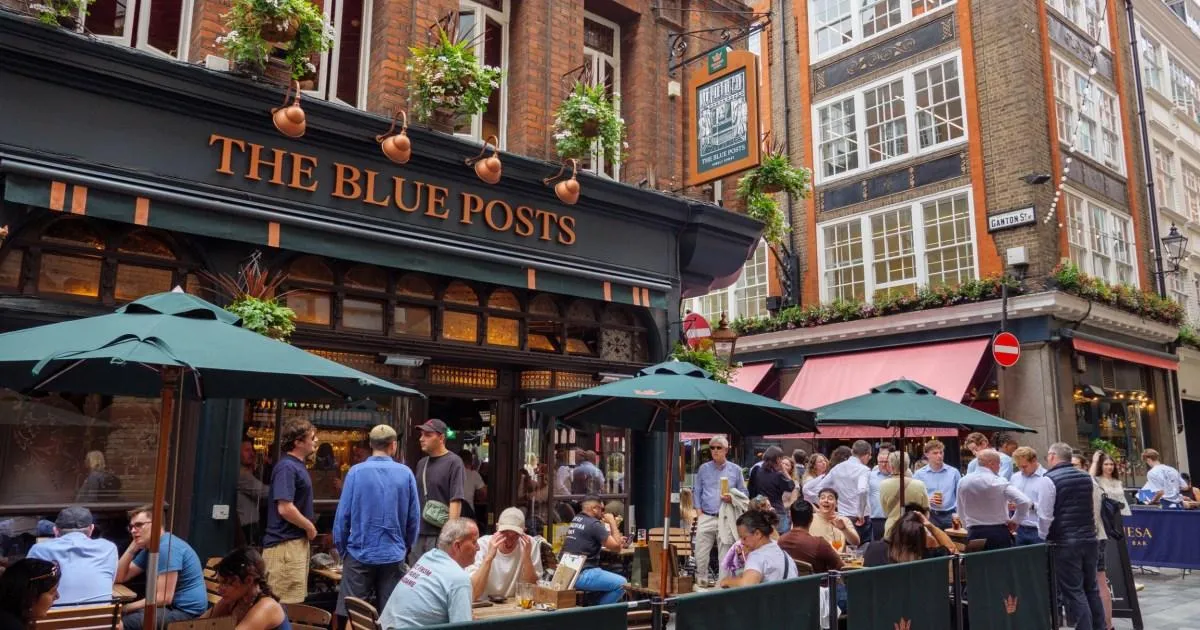
London’s vibrant nightlife is currently at the center of a heated debate, pitting the Mayor’s vision for a bustling, open-air capital against the restrictive policies of local governance. Mayor Sadiq Khan recently unveiled a £500,000 initiative designed to reinvigorate the city’s summer economy through expanded al-fresco dining and extended operating hours. While 13 boroughs eagerly jumped at the chance to secure funding for outdoor markets and late-night social spaces, Westminster Council notably failed to apply. This oversight has ignited fierce criticism, with local business owners and city officials accusing the council of letting bureaucracy stifle the very energy that once made Soho an iconic world-class entertainment destination.
For those running businesses in the heart of the capital, the stakes are high. Veteran hoteliers like Mark Fuller, who has witnessed Soho’s transformation since the 1980s, argue that the area is in a state of terminal decline. The culprit, according to many, is an overly rigid approach to licensing that prioritizes the complaints of quiet-seeking resident groups over the economic survival of venues. There is a palpable fear that if independent bars and restaurants continue to be micromanaged—to the point where even the placement of furniture is treated as a transgression—Soho will lose its unique character, eventually becoming a sterile corridor of generic chain stores and uninspired tourist traps similar to the bleak commercialism found in Leicester Square.
Westminster Council, for its part, has scrambled to explain the missed deadline, pointing the finger at a change in administration that occurred just days before the funding application window closed. Current leadership maintains that the previous Labour administration was responsible for the anti-business climate, while expressing a willingness to engage with the Mayor’s office in the future. However, this defensive posture does little to satisfy those who believe the council is fundamentally out of touch with the needs of a modern, 24-hour city. The tension reflects a broader cultural struggle between those who view London as a quiet residential enclave and those who see it as a global hub that thrives on music, conversation, and late-night culture.
To tip the scales in favor of a more dynamic city, a significant shift in power is now underway. Specifically, the Mayor of London has been granted landmark licensing authorities that allow City Hall to step in and scrutinize local policies. For the first time, the Mayor’s office can demand a standardized, more permissive approach across the capital, moving away from the fragmented, borough-by-borough system that has historically made it so difficult for hospitality venues to plan and grow. By gaining a seat at the table, Sadiq Khan intends to act as a safeguard against the “nimbyism” that has long throttled the nighttime economy, positioning London as a place where the sun sets but the energy continues.
While Westminster grapples with the fallout, other parts of the city are effectively proving that the Mayor’s vision is not only possible but popular. Boroughs like Lambeth, Greenwich, and Brent have embraced the “Summer Streets” programme, using their grants to transform neighborhoods into communal hubs filled with outdoor screenings, live music, and thriving terrace dining. These smaller-scale interventions have shown that when local authorities collaborate with the Mayor rather than obstruct progress, the result is a safer, friendlier, and more economically resilient high street. It serves as a stark reminder that the tools for successful urban rejuvenation are available, but their success depends entirely on the political will to use them.
Ultimately, the goal is to build a “better London” that balances the needs of residents with the necessity of a flourishing nightlife industry. As the Mayor prepares to use his new powers to challenge restrictive licensing, the hope is that the capital’s streets will become more inviting for residents and tourists alike. Whether Westminster—the historic heart of London’s entertainment—will finally shed its reputation for “thwarting fun” remains to be seen. However, the message from City Hall is clear: the era of businesses being stifled by excessive red tape is being challenged, and the Mayor is clearly signaling that a city that values its social fabric is one that must, above all else, remain open for business.