


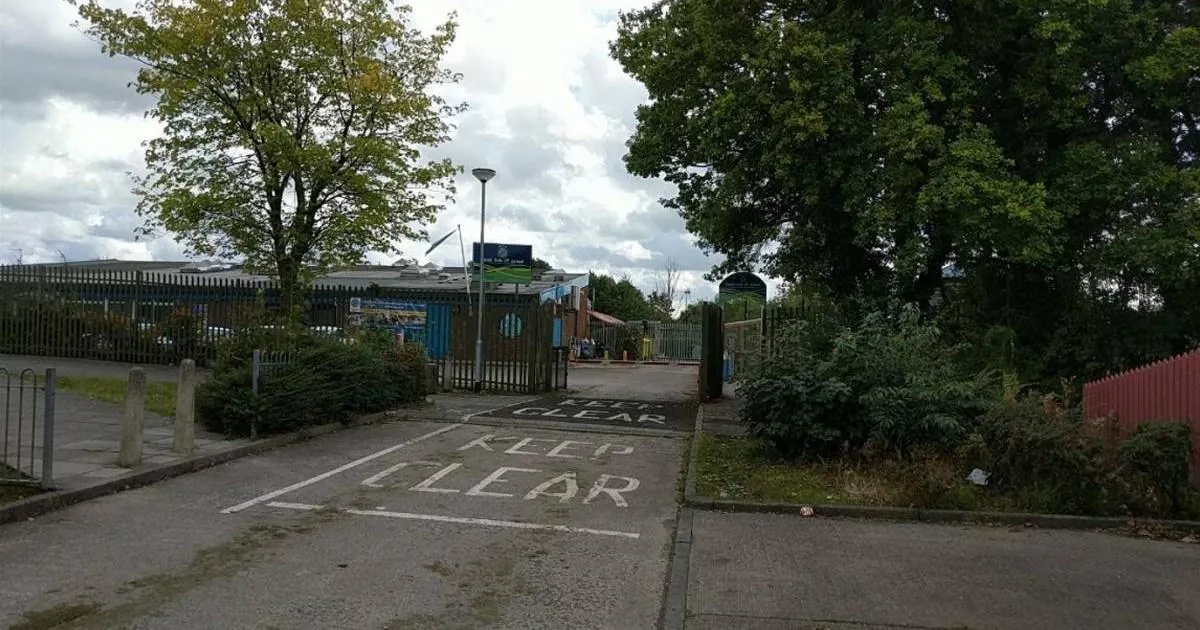
In a bizarre administrative oversight that has left parents shocked and local officials scrambling for explanations, Delph Side Primary School in Skelmersdale, Lancashire, found itself at the center of an uncomfortable controversy this week. The incident stems from a segment of the school’s official social media policy, which—in an inexplicable lapse of judgment—listed OnlyFans as an “acceptable” platform for staff to use. To the utter bewilderment of the community, the policy document framed the adult-content site as a primary means of staying in touch with friends and family, effectively granting teachers a green light to maintain accounts on the site under the guise of casual social networking.
The specific language found within the policy read with an almost bureaucratic detachment that ignored the reality of what the platform actually is. The document stated that because sites like Facebook, Twitter, and TikTok had become the standard tools for modern communication, it would be “unreasonable” for the school to expect staff to avoid them. By grouping OnlyFans—a site synonymous with pornography and explicit adult content—alongside mainstream platforms like YouTube and Snapchat, the school inadvertently suggested that such activity was not only benign but fundamentally no different from checking a friend’s status update on Instagram.
When the policy was leaked and began to circulate among the parent body, the reaction was understandably one of disbelief and frustration. For many parents, the school environment is a sacred space of safeguarding, one where the moral and professional boundaries of educators are expected to be beyond reproach. To see an institution responsible for the protection and development of children openly validate a platform known for its sexualized content felt, to many, like a profound dereliction of duty. The idea that a policy document could be so detached from the digital realities of the modern age sparked immediate and heated questions about the school’s internal oversight and management standards.
In response to the growing outcry, Headteacher Liz Ormerod stepped forward to provide a formal apology, attempting to bridge the gap between the school’s written policy and the reality of their professional expectations. Ms. Ormerod explained that while the policy had been subject to updates as recently as 2025, the specific, offending section was a relic dating back to 2022. She argued that the inclusion of the site was not an intentional endorsement of adult content, but rather a catastrophic administrative oversight that failed to account for how the platform’s reputation and content model had evolved over the last few years.
Ms. Ormerod was quick to stress that the school remains deeply committed to the safeguarding of its students, emphasizing that all staff are strictly bound by professional codes of conduct. She maintained that the reference to OnlyFans was an out-of-date error, a ghost in the machine of their policy documents that had gone unnoticed until it caused significant public alarm. The school has since moved to strike the site from their internal documentation, clearly hoping that by removing the text, they can also distance the institution from the unfortunate implications of its oversight.
Ultimately, the incident serves as a stark reminder of the complexities inherent in the digital age, where policies written years ago can quickly become liabilities in an era of rapidly changing technology. While the school continues its effort to apologize and move past the controversy, parents and community members remain understandably cautious. Whether this was truly just a case of outdated bureaucracy or a deeper failure in vetting internal documents, the incident has left a lasting impression on the community of Skelmersdale, proving that when it comes to the safety and reputation of a primary school, there is simply no room for clerical errors or “out-of-date” policies.