

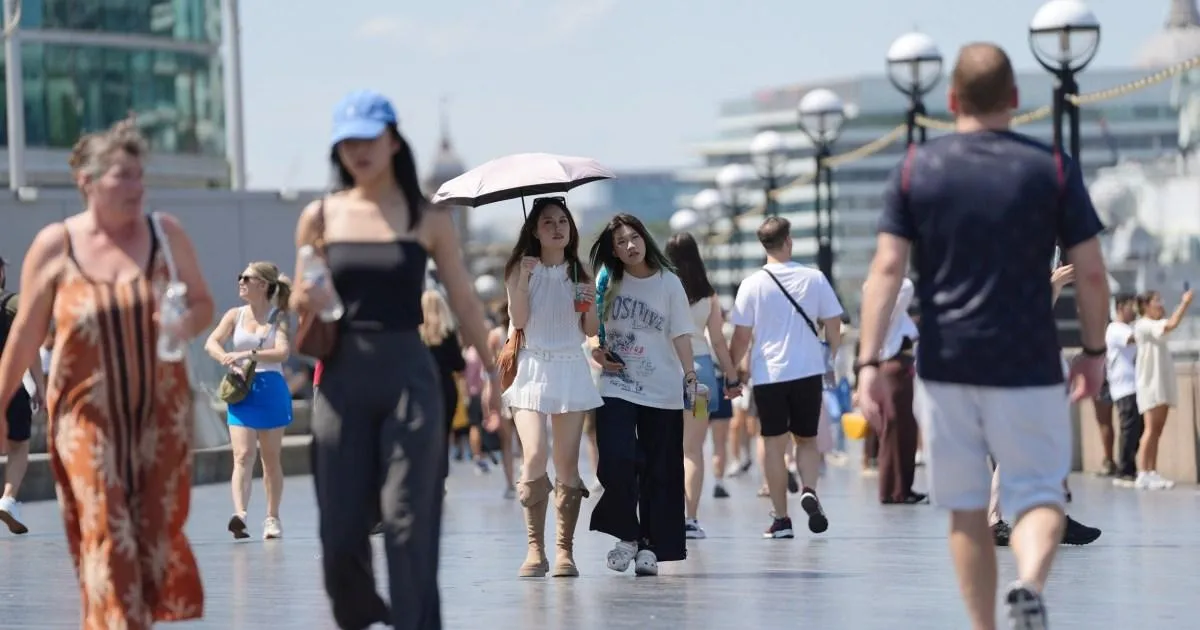
London is currently bracing for an unprecedented stretch of sweltering weather, with temperatures projected to climb as high as 39°C. This extreme heatwave has transformed the capital into a pressure cooker, casting a shadow over the usual excitement of an early summer. As the city prepares for what could potentially become the hottest June on record—dwarfing historical peaks from 1976 and 1957—the atmosphere in London feels both anticipatory and tense. Residents are being encouraged to find shade and stay cool, but the sheer intensity of the forecast is already prompting significant concern from authorities regarding how the city’s infrastructure will hold up under such relentless conditions.
The danger isn’t limited to the heat itself; the intersection of stifling sunshine and air pollution has prompted Mayor Sadiq Khan to issue an urgent high-pollution alert for the capital. The combination of local traffic emissions and stagnant air drifting in from continental Europe is expected to cause a spike in ozone levels, creating a hazardous environment for the most vulnerable among us. The Mayor has made a direct, human appeal to all Londoners, urging them to leave their cars at home and avoid idling their engines. By making these small behavioral shifts, the city hopes to prevent the air quality from deteriorating further, ensuring that the health of the elderly, young children, and those with respiratory conditions is prioritized during this stressful week.
Beyond the urban smog, the Met Office has issued an amber alert for extreme heat covering London and much of southern and central England, lasting from Monday through Thursday. The warnings are stark: the wider population faces real risks, ranging from the immediate dangers of sunburn and heat exhaustion to potential failures in critical infrastructure. We are being cautioned that heat-sensitive systems could falter, raising the specter of power outages and the disruption of essential services. It is a sobering reminder that our modern systems, built for a more temperate climate, are struggling to keep pace with the volatile reality of our changing environment.
Looking back, the current situation draws uncomfortable comparisons to the legendary heatwave of 1976. That summer remains etched in the national memory for its 15 consecutive days of scorching temperatures and a month-long absence of rain, which ultimately forced the government to enact the Drought Act and resort to water rationing. While we are currently focused on the immediate week ahead, the history of 1976—which saw half a billion pounds in crop damage back then—serves as a cautionary tale about the socioeconomic toll that prolonged extreme weather can inflict on the country. We are currently navigating a similar, high-stakes trajectory, monitoring the mercury as it edges toward territory that hasn’t been visited in decades.
This intense heat is not an isolated event but part of a concerning, broader pattern. We have already seen the hottest spring on record, following on the heels of the previous summer, which officially broke records since standardized tracking began. Meteorologists like Simon Partridge have been candid about the cause, noting that these extreme weather events are becoming increasingly frequent and severe due to the accelerating reality of climate change. There is a resigned realization among experts that these heatwaves are not simply one-off statistical anomalies, but the new, challenging parameters of our climate. This isn’t just about a few hot days; it represents a fundamental shift in the rhythm of our seasons.
Ultimately, as Londoners navigate this week, the priority is community care. Whether it is checking on a neighbor or simply being mindful of the impact of our own daily routines on the city’s air, the situation calls for collective vigilance. We are living through a period of transition where the weather is demanding more from us—both in terms of our personal health and our global responsibility to address the warming planet. As the city waits for the temperature to peak, the focus remains on staying safe, remaining conscious of the strain on our city resources, and acknowledging that adapting to this heat is now an essential part of life in modern Britain.