


The recent bouts of unrest in Belfast have left a scar on our city, but they have also revealed the extraordinary strength inherent in our community. Ten days after the riots, I found myself standing in the Great Hall at Stormont, listening to a young Sudanese woman offer me an apology. She felt burdened by the responsibility of explaining the actions of a single man, a weight that had been unfairly thrust upon her by both the far-right agitators and a lack of clear leadership from those in power. I told her then, as I firmly believe now: she had absolutely nothing to apologize for. Her distress was a sobering reminder that when racism is allowed to fester, the primary victims are forced to carry the exhausting burden of fear and performance, while those who are safe stand by.
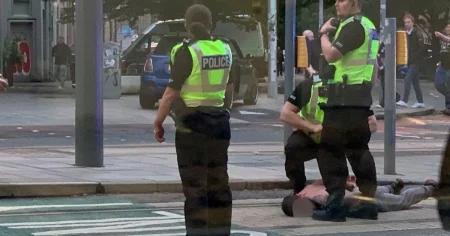
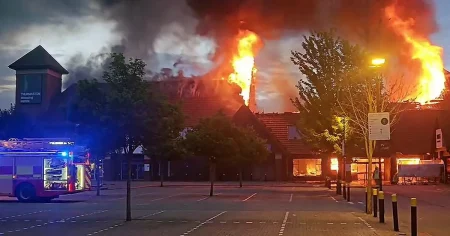
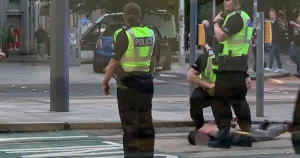
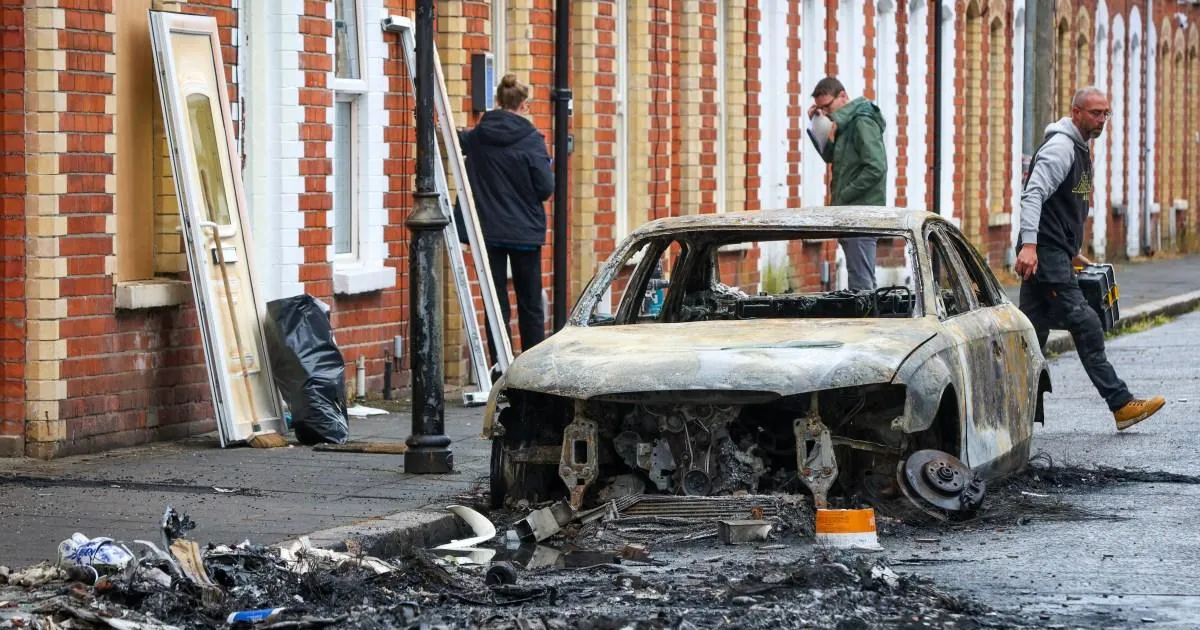
The reality of these riots is that they were not an organic explosion of local sentiment, but rather the result of simmering tensions stoked by economic anxiety, toxic social media algorithms, and outside actors eager to fracture our society. When the news of the brutal attack on Stephen Ogilvie surfaced, the migrant community in Belfast knew exactly what to expect. They had been watching the rhetoric escalate for months, and their fears were soon realized as families fled their homes and the streets became scenes of destruction. While some external commentators descended upon our city, eager to label Belfast as a case study for extremism, they frequently missed the quiet, powerful truth of what was unfolding on the ground.
While it is true that racism thrives wherever it is allowed to grow, the narrative of a hateful Belfast is incomplete. Beyond the fire and the fury, there was an immediate, organized resistance of compassion. Women risked their safety in the dark of night to escort families to refuge; religious leaders threw open their doors; neighbors quietly dropped off support notes and food parcels when an open knock felt too dangerous. This was the “real” Belfast—a city practicing a refusal to let hatred define its name. This collective response was not a grand, bureaucratic gesture, but a human one, proving that while rioters may temporarily seize the streets, the community that values unity is far more resilient.
I saw this firsthand when I visited the Anaka Women’s Collective, an organization that bypassed the slow, cumbersome machinery of typical agencies to meet an emergency as it actually occurred. These women, many of whom have lived through the trauma of displacement themselves, did not wait for committees or consultations. They organized safe spaces, distributed emergency supplies, and coordinated welfare checks with a speed and empathy that the state simply could not match. Watching them work, it became clear that grassroots organizations are the true heartbeat of recovery. They understood the specific, urgent needs of vulnerable people in a way that policy documents never could, providing the comfort of knowing that someone was watching over them.
As the smoke began to clear, the tide of public sentiment became undeniable. Last Saturday, thousands of people flooded City Hall for an anti-racism rally, creating an atmosphere of safety that was palpable. The young woman I met at Stormont shared that her panic had finally subsided after seeing the overwhelming solidarity on display. This shift was underscored by the community’s reaction to the circulation of target lists for migrant families; instead of retreating into silence, ordinary citizens—sports clubs, schools, businesses, and faith groups—stepped in to physically and emotionally stand by their neighbors. The message to those who would peddle hate was clear: you are not welcome here, and you are not the majority.
Reflecting on the legacy of Anna Lo, Northern Ireland’s first and only minority ethnic MLA, I am struck by how Northern Ireland continues to process its complex history. Our society has earned its capacity for empathy through years of shared pain, and that empathy remains our greatest superpower. While there is still work to be done and the embers of prejudice must be watched carefully, the path to healing is being paved by those who choose to stand together rather than apart. We are proving that despite the efforts of bad actors to pull us into the shadows, our community’s light is significantly stronger. Our future is rooted in this persistent, quiet, and courageous act of showing up for one another.