


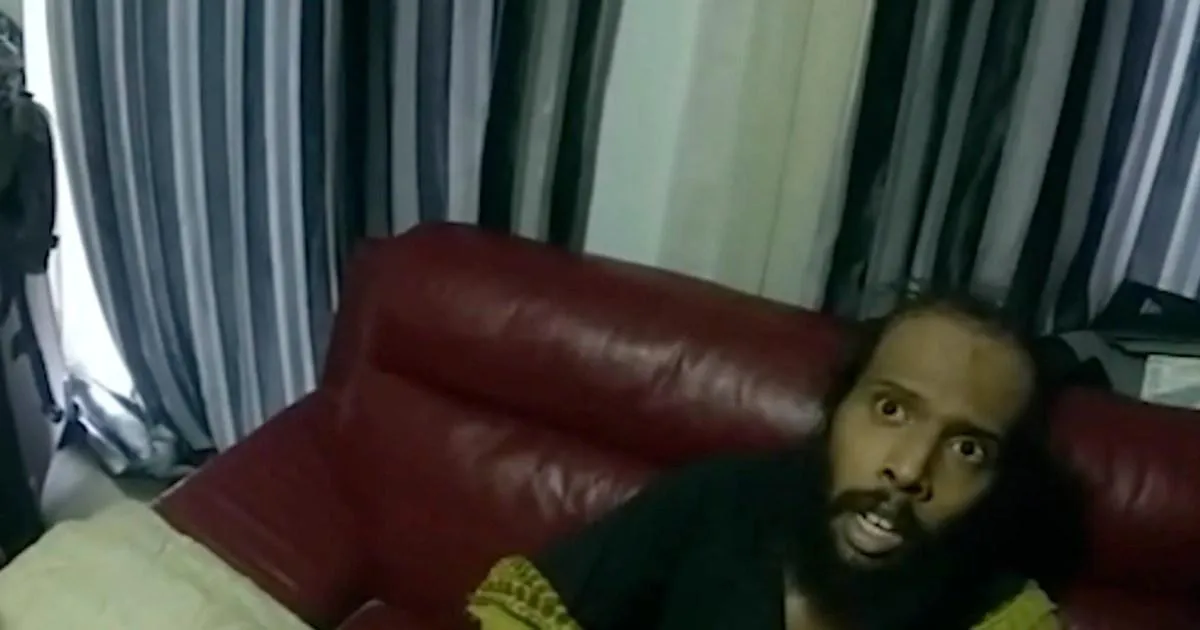
The recent sentencing of 31-year-old Waleed Saeed to 16 years in prison marks the conclusion of a deeply disturbing case that spanned several years. Operating primarily through Snapchat, Saeed systematically targeted young Muslim and South Asian men, operating under the calculated assumption—and cruel hope—that cultural pressures would silence them. By posing as a young woman or a transgender woman, he built a facade of intimacy to manipulate his victims into sharing private images. He then weaponized these photos, using the threat of “outing” them to their families and communities to extort money and coerce them into horrific face-to-face encounters.
The complexity of Saeed’s digital deception was chilling. He maintained a web of aliases, utilizing various usernames to create multiple identities, such as “Trans Girl Leah,” to ensnare his targets. The case gained significant momentum following a 2024 report from a victim who had been lured to a London park. Even when his true identity as a man was revealed during the blackmail phase, the psychological hold Saeed exerted was profound. He forced this victim into multiple late-night meetings, hiding behind a face mask to sexually assault and rape him. This single report served as the crucial turning point, allowing investigators to finally pull apart his digital trail.
When police eventually traced the accounts and arrested Saeed in late 2024, the contents of his seized mobile phones revealed the true scale of his malice. Beyond the crimes linked to the adult victims he initially targeted, authorities found evidence involving children as young as 15 and 17. The depth of his manipulation was further uncovered as officers cross-referenced his digital fingerprints with cold cases dating back to 2018. It became clear that Saeed was a serial predator who had spent years operating in the shadows, confident that the shame he inflicted on his victims would keep them from ever reaching out to the authorities.
The sentencing process on March 2, 2025, represented a moment of justice for his five known victims, resulting in convictions for 17 separate offenses, including rape, blackmail, and the possession of indecent images of children. In addition to his 16-year prison term, the court imposed a 10-year Sexual Harm Protection Order to ensure he is heavily restricted upon his eventual release. Detective Constable Peter Collington, the lead investigator on the case, highlighted the calculated nature of Saeed’s crimes, noting that the predator had intentionally chosen victims from specific backgrounds specifically because he believed they would be too afraid of societal stigma to seek help.
For the victims, the aftermath of such betrayal is immeasurable. The breach of trust, combined with the vile act of weaponizing one’s own identity, leaves wounds that go far beyond the immediate physical trauma. Investigators have made it a priority to provide comprehensive support to those who have come forward, recognizing that the journey toward healing is difficult when the motive of the perpetrator was to alienate them from their own families and communities. The police have been clear: the responsibility for these acts lies solely with the criminal, not the victims who were coerced or manipulated through fear.
As the case closes, the Metropolitan Police are making a heartfelt appeal for anyone else who may have encountered these specific usernames—such as various iterations of “blsup” or “comedeal”—to come forward. The authorities are striving to create a safe environment where other potential victims can speak out without fear of judgment. Their message is one of solidarity and protection: that no one’s sexuality or identity should ever be used as a tool for abuse. Justice has been served in the form of a long custodial sentence, but the mission to support the broader community of victim-survivors remains the top priority for the investigators involved.