


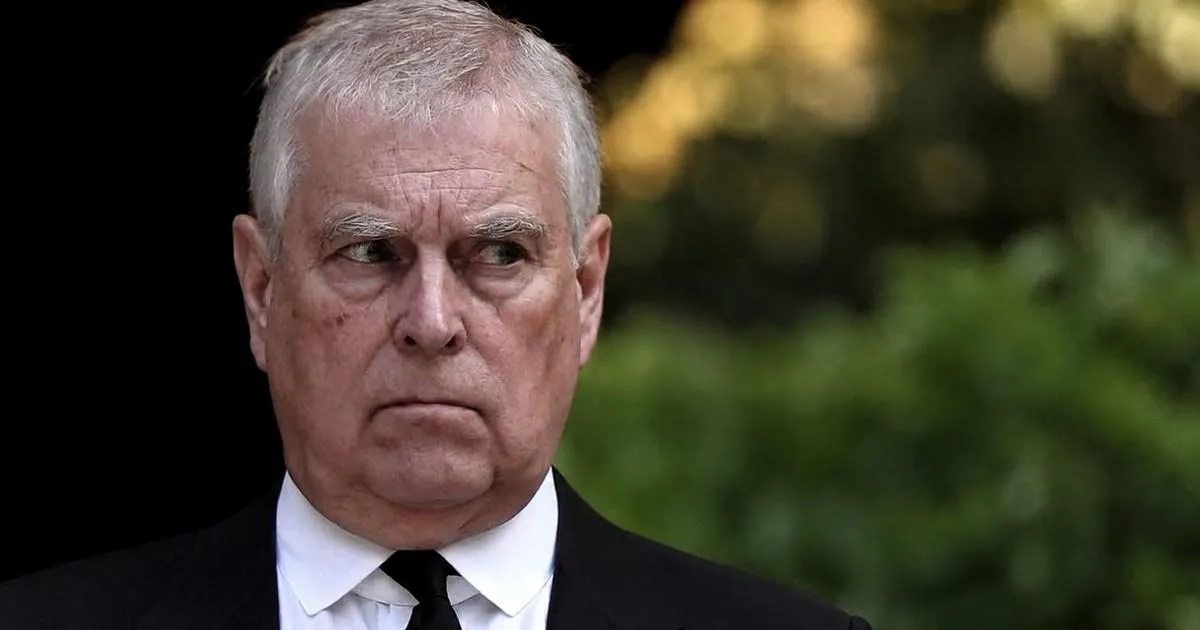
The ongoing conversation surrounding Prince Andrew’s security arrangements has shifted into the spotlight once again, following a deeply unsettling incident near his residence at the Royal Lodge on the Sandringham Estate. For years, the Prince has operated in the shadow of his own controversial past, struggling to reconcile his former status as a senior royal with his current standing after being stripped of his honorary titles and public duties. However, the recent alleged confrontation with an individual—who reportedly pursued him while dressed in tactical gear and carrying a weapon—has served as a chilling reminder that his public profile remains a lightning rod for dangerous attention. This event has left the Prince reportedly shaken, reinforcing his personal conviction that he remains one of the most vulnerable members of the Windsor family.
At the heart of the Prince’s ongoing security concerns is a complex intersection between his former public life and the dark reality of his associations. Andrew has long argued that he is uniquely at risk, pointing not only to his legacy as a royal and former UK trade envoy but also to the lingering, radioactive fallout of his association with the late financier Jeffrey Epstein. These connections have, by his own account, turned him into a high-priority target for “fixated individuals”—people who may harbor grievances or delusions that transcend his current, diminished public role. The central conflict here is one of perception versus protocol: while the public and the government see a man whose reputation is shattered beyond repair, the Prince insists that the inherent risks associated with his bloodline and history cannot simply be “uninvented.”
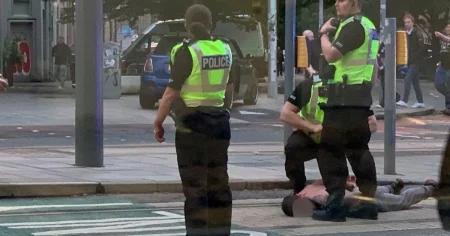
The catalyst for this renewed plea for taxpayer-funded security was the behavior of 39-year-old Alex Jenkinson, whose recent legal troubles have highlighted the very real danger Andrew faces. According to reports presented to the court, Jenkinson was allegedly found stalking the perimeter of the Prince’s home in camouflage and a black balaclava, with a wooden-handled axe discovered in his vehicle and a rock in his possession. Even more disturbing were the contents of his digital footprint, which revealed searches for members of the Royal Family and, explicitly, various methods of lethal harm. As Jenkinson awaits trial later this summer, subject to a strict stalking prevention order, the incident has provided the Prince’s camp with a concrete example of why he believes his safety remains a matter of national interest.
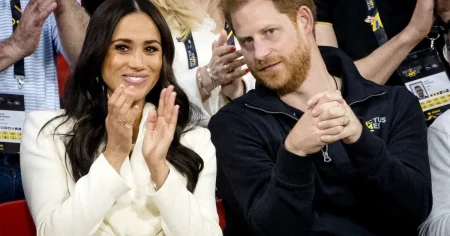
This debate over who pays for royal security has become a recurring point of contention within the monarchy’s inner circles, mirroring the high-profile legal battles fought by his nephew, Prince Harry. Like Harry, Andrew believes that his status at birth and the proximity to the throne—regardless of his current lack of “working” status—should entitle him to a level of institutional protection that he currently lacks. Yet, for the taxpayer and the government, the optics of financing the security of a man whose reputation is severely tarnished are undeniably difficult. There is a profound tension between the Palace’s desire to maintain a level of private safety for one of its own and the duty of the state to allocate resources in a way that respects the sensibilities of a critical public.
The argument presented by those close to the Prince is that security represents an objective risk assessment rather than a reward for conduct. Their position is that the danger posed to a high-profile figure does not evaporate simply because that person has retreated from the limelight. If a stranger is willing to hunt a Prince on his own private property, the argument goes, then the state has a moral imperative to intervene, irrespective of the individual’s moral standing or prior controversies. It is a sterile, clinical view of safety that separates the man from the scandal, asserting that the Crown has an inherent responsibility to shield any member of the royal bloodline from predators, lest the institution itself be weakened by an act of violence.
Ultimately, this situation forces a difficult look at the modern reality of the British monarchy. As figures within the family transition into and out of public favor and professional roles, the logistical challenge of guarding them becomes increasingly fraught with social and political consequences. Prince Andrew stands as perhaps the most extreme example of this dilemma: a man who remains a royal by birth but has been cast out from the inner sanctum of the monarchy’s public life. As he waits for a potential shift in policy, the incident at Sandringham remains an uncomfortable wake-up call, proving that while a title can be removed and a reputation dismantled, the dangerous gaze of the public—and those who take their obsession too far—is not so easily turned away.