



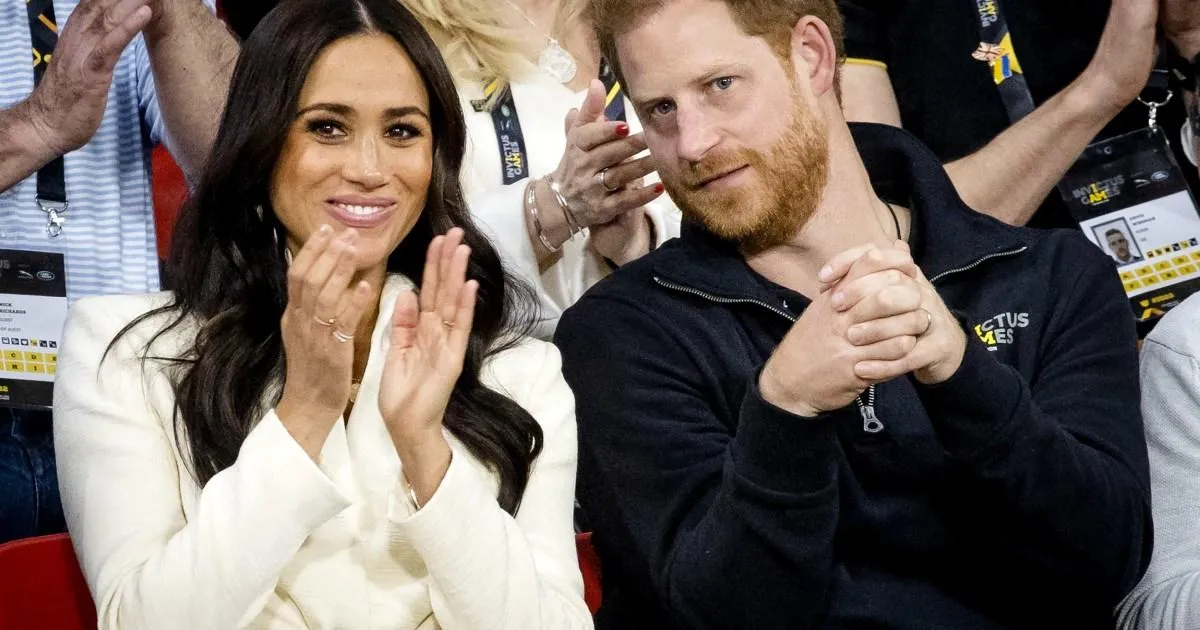
The upcoming visit of Prince Harry and Meghan Markle to the United Kingdom, slated for next month, carries with it an intricate blend of personal hope and public complexity. After four long years, the Duke and Duchess of Sussex are reportedly considering a return to British soil with their children, seven-year-old Archie and five-year-old Lilibet. Reports indicate that an offer of accommodation on a royal estate has been extended to the family, potentially allowing them to stay for up to two weeks starting July 6. For King Charles, this represents a poignant, long-awaited opportunity; he has not seen his grandchildren in person since 2022, and this window serves as a tentative bridge across the significant emotional and geographical distance that has characterized the family’s life since their move to California.
At the heart of this return is a mixture of professional necessity and a profound, lingering desire for connection. Prince Harry has structured the trip around the upcoming Invictus Games, which are set to be held in Birmingham in 2027; the visit is intended to mark the one-year countdown to the games and demonstrate his ongoing commitment to the wounded, injured, and sick service personnel the event supports. However, the shadow of past friction looms large over the logistics. The prince has previously declined royal lodging due to ongoing security concerns, particularly following his high-profile legal battle with the Home Office regarding his right to police protection. For Harry, the decision to return is not merely about business or scheduling; it is framed by a source close to him as a sincere attempt to introduce his children to their heritage and their extended family, a prospect he has described as a “real point of sadness” to have delayed for so long.
The human element of this story is underscored by the fragility of reconciliation. Since his visit to Clarence House last September—a brief meeting that stood as their first interaction since 2024—Harry has spoken openly about his desire to mend fences with his family. Yet, this goal remains complicated by the public narrative cultivated over recent years, particularly regarding the criticisms leveled against the Firm in his memoir, Spare, and various television interviews. While the Sussexes are reportedly eager to facilitate this family reunion, the reality of royal protocol persists. The King does not share his personal schedule with his son, meaning the logistics of a meeting remain uncertain. There is a palpable tension between the desire for a private, grandfatherly reconnection and the unavoidable public scrutiny that follows every move within the monarchy.
This visit, should it proceed, marks the first time the family of four has been together in the UK since the late Queen Elizabeth II’s Platinum Jubilee. The weight of this return is heavy, as it represents the intersection of private grief and the public machinery of the Royal Family. While Harry views the potential trip as a vital step toward normalization for his children, others within the royal circle have expressed apprehension. There is a quiet concern among some that any such visit could inadvertently overshadow the King’s official duties or reopen old wounds, sparking fresh media cycles focused on the “personal family dynamics” rather than the substance of the monarch’s work. It is a precarious balance, where the simple act of visiting family becomes an act fraught with political and social implications.
Despite the speculation, the core of the drama remains the simple, universal experience of a family trying to navigate a fractured relationship. The Sussexes have yet to respond to the invitation, and for now, the destination within the royal estate remains undisclosed, adding an air of suspense to the proceedings. Buckingham Palace has maintained a guarded silence, refusing to comment on the potential for a meeting between the King and his grandchildren. This restraint is perhaps the most telling aspect of the entire situation; it reflects an institution striving to uphold stability while managing the unpredictable, deeply human needs of its members. The upcoming July window will likely become a litmus test for whether the family can move past the public vitriol that has defined their recent history in favor of private, interpersonal healing.
Ultimately, the visit serves as a mirror for the public’s enduring fascination with the Royal Family’s internal dynamics. While the media and supporters analyze the strategic importance of the Invictus Games or the security logistics required for a high-profile entourage, the essence of the situation remains anchored in parental and ancestral love. As the world waits to see if the family will indeed touch down in the UK, the focus rests on whether a grandfather and his grandchildren can share a quiet moment away from the glare of cameras and the burden of titles. Whether or not this journey results in the reconciliation Harry has publicly envisioned, it remains a testament to the fact that even for those on the world stage, the most difficult paths to navigate are often the ones leading back to family.