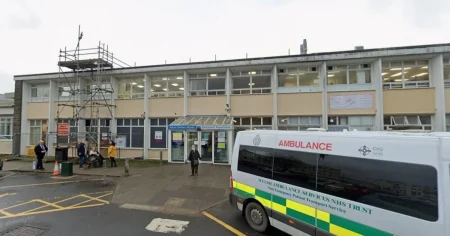



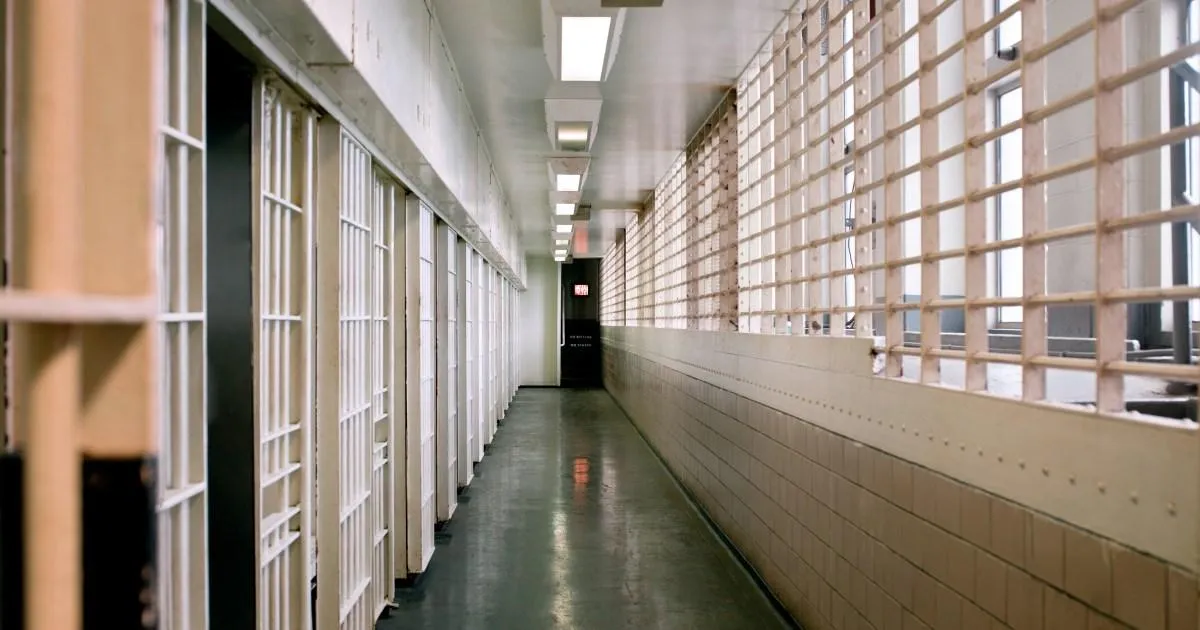
The current state of our oldest British prisons is painting a grim picture of human suffering, as record-breaking heatwaves turn crumbling, Victorian-era facilities into literal pressure cookers. At HMP Chelmsford, a structure dating back to 1825, inmates are enduring conditions that many are now describing not as a correctional sentence, but as active torture. With temperatures soaring to record highs, individuals are being confined within sealed, unventilated cells for up to 22 hours a day. The lack of airflow means that these small, shared spaces trap heat relentlessly, leaving those inside to experience genuine physical distress, near-heat exhaustion, and the profound discomfort of being unable to escape an environment that feels increasingly hostile to human life.
The human element of this crisis is best illustrated by the families desperate to provide even the most basic relief to their loved ones. One mother, speaking anonymously out of fear for her son’s safety, shared a harrowing account of witnessing the system’s failure during a recent heatwave. She attempted to drop off cooler, more breathable clothing for her son, only to be met with bureaucratic hurdles and excuses, such as the claim that it was too hot for sniffer dogs to conduct security checks. Her son, who was supposed to be a temporary resident at this Category B facility for a mere ten days, has found himself trapped there for six weeks, his transfer delayed indefinitely. For a family watching from the outside, the situation feels less like legal accountability and more like a cruel oversight of basic humanitarian standards.
Inside these cramped quarters, the daily struggle for survival has become a degrading ordeal. The mother described a reality where the basics of hygiene and hydration are severely compromised: inmates are restricted to a single 330ml bottle of water to last them the entire day, a volume that is insufficient for both drinking and any semblance of personal cleanliness. Even the showers offer no respite, as they reportedly only dispense steaming hot water, aggravating the rising body temperatures of the inmates. Denied any real ventilation, the men are effectively “cooking” in their cells, leading to physical illness and noticeable weight loss. This is the stark reality of the “punishment” being meted out to those currently serving sentences for non-violent crimes, raising difficult questions about the ethics of our current penal environment.
While the families of the incarcerated express an understanding that accountability is a necessary part of the justice system, they argue that there is a fundamental difference between a prison sentence and the inhumane disregard for health. These voices are calling for a reassessment of what we consider “acceptable” conditions. The prison service has maintained that they have protocols in place to protect both staff and prisoners during extreme weather, insisting that water is always available. However, these official statements often feel disconnected from the day-to-day reality reported by those living inside the walls, where the systemic failure of infrastructure seems to outweigh any paper-based safety measures.
The broader context of these issues is equally alarming, as this is not an isolated incident but a symptom of long-term neglect. A 2021 inspection of HMP Chelmsford famously labeled the facility as being in a “near state of collapse,” highlighting an environment where inmates were routinely locked away for over 22 hours a day. The report also pointed to a deeply concerning culture among staff, who were noted for being dismissive and lacking the empathy required for their roles, often ignoring even the most basic requests for assistance. Despite government intervention following that report, the steady stream of controversies—including administrative errors that led to improper prisoner releases—suggests that the prison system remains in a fragile and volatile state.
Ultimately, the situation at HMP Chelmsford and similar aging institutions serves as a wake-up call regarding the condition of our national infrastructure and the way we treat the most vulnerable behind closed doors. When the physical environment becomes a source of agony, the rehabilitative purpose of a prison sentence effectively vanishes, replaced by a atmosphere of neglect and survivalism. As records for extreme weather continue to be broken, the urgency to address these “baking” conditions isn’t just about comfort; it is a matter of basic human dignity. We are forced to consider whether a society that prides itself on justice can continue to accept a system where, in the name of containment, human beings are left to suffer in silence.