



As the summer heat intensifies and schools across the capital break up for the holidays, the London Fire Brigade (LFB) has issued a heartfelt plea for residents to prioritize safety around open water. With recent nationwide heatwaves leading to a tragic surge in accidental drownings—including the heartbreaking loss of several teenagers—authorities are deeply concerned about the rising risks. Since 2020, London alone has seen more than 100 such deaths, a sobering statistic that highlights why we must remain vigilant. While the lure of cooling off in lakes and rivers is understandable during a hot spell, the LFB is urging families to recognize that fun can quickly turn into a life-altering emergency.
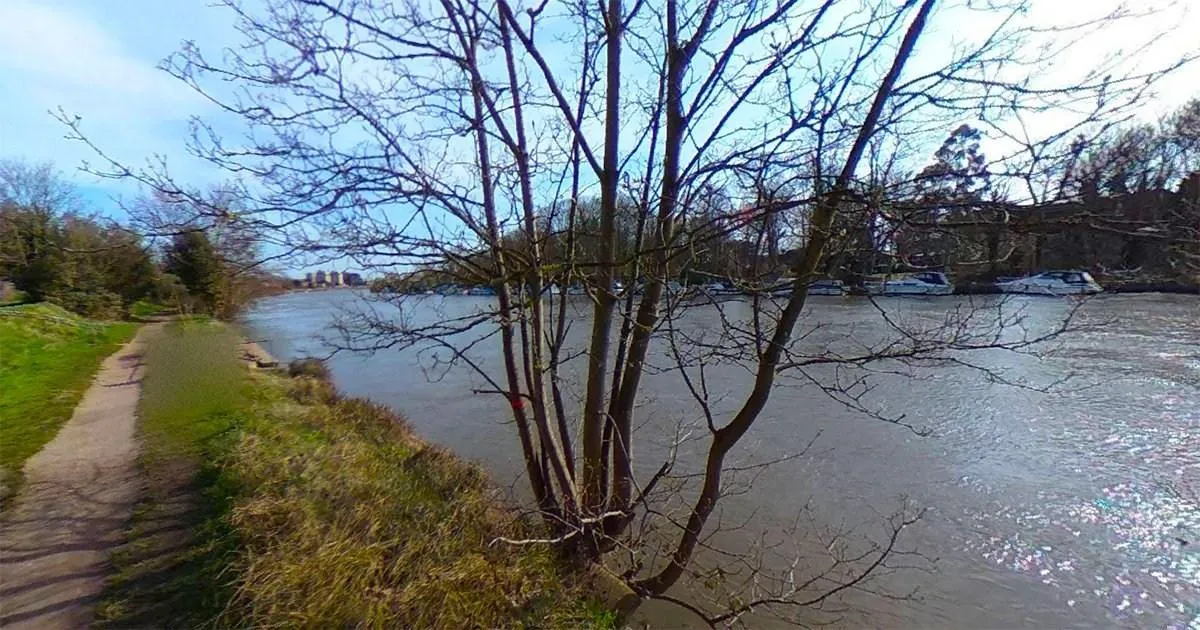
The concern was recently brought to light during an outreach visit to the newly opened bathing site in Kingston. Richard Field, the LFB’s Deputy Assistant Commissioner, observed people enjoying themselves but emphasized that any unsupervised stretch of water presents a hidden, significant danger. The primary message is not to ban fun, but to foster caution: parents and guardians are being asked to have honest, direct conversations with their children about the risks of swimming in areas without trained lifeguards. Without professional supervision, an accident can go undetected for critical minutes, significantly reducing the chances of a successful rescue.
Beyond the absence of lifeguards, there are physical risks that are often invisible to the casual swimmer. Activities like “tombstoning”—leaping from bridges or cliffs—are particularly perilous because they involve unpredictable water depths and hidden debris lurking beneath the surface. From submerged shopping trolleys to jagged rocks, the dangers waiting underneath the water’s edge are impossible to gauge from above. Field stressed that what might seem like a thrill-seeking stunt is, in reality, a gamble with one’s life, as these activities often lead to severe, life-changing injuries.
One of the most insidious threats, even on the hottest July afternoon, is “cold water shock.” While the surface may feel refreshing, the temperature at the deeper layers of a lake or river can be shockingly cold. Upon entry, this sudden temperature shift can cause involuntary gasping, leading to water inhalation, total panic, and a rapid, dangerous loss of muscle control. Because many people believe they are safe because the air is warm, they often fail to account for how their body will react when it hits the deep, chilly water of a natural swimming spot.
The London Fire Brigade has noted a “staggering” increase in water-based incidents since 2020, likely fueled by a broader trend of more people taking up paddleboarding and other river sports. To combat this, the LFB is working closely with the RNLI and the London Ambulance Service to educate the public. At sites like the one in Kingston, they are teaching visitors how to use specialized emergency equipment, such as the throw lines housed in secured cabinets along the Thames. By calling 999, bystanders can receive a code to unlock this life-saving gear, marking a crucial step in the “safety, safety, safety” initiative they are promoting this season.
Ultimately, the goal of these authorities is to ensure that Londoners make it home safely at the end of every sunny day. The LFB’s message is clear: if you are planning to swim, prioritize locations with lifeguards on duty, keep children within arm’s reach, and always remain aware of your surroundings. Natural water is beautiful and enticing, but it is also unforgiving. By choosing safer settings and keeping communication open, we can collectively ensure that this summer is remembered for happy memories rather than preventable tragedies. Let’s look out for one another and respect the water so everyone can enjoy the sunshine safely.