

This week marks a significant and somber shift in the British hospitality landscape as more than 60 restaurants and pubs prepare to close their doors for the final time. The wave of shutdowns, orchestrated by Whitbread, the parent company of Premier Inn, signals a strategic pivot away from its standalone dining brands. While the corporate decision is framed as a business evolution, the human impact is profound, leaving local communities, loyal patrons, and hundreds of employees facing an uncertain future. The closures are not a singular event but a staggered wave of farewells, beginning this Tuesday with the simultaneous shuttering of three distinct chains: the urban steakhouse Bar + Block, the community-focused Cookhouse + Pub, and the suburban family favorite Table Table. These immediate closures are merely the precursor to an even larger exodus, as the company has already announced that a staggering 200 branches of its Beefeater and Brewers Fayre brands will follow suit in 2026. For the British public, the pub and the high-street restaurant are more than just places to eat; they are the backdrop for life’s milestones, from celebratory family dinners to quiet mid-week pints, and their loss represents a tangible erosion of the social fabric that binds communities together.
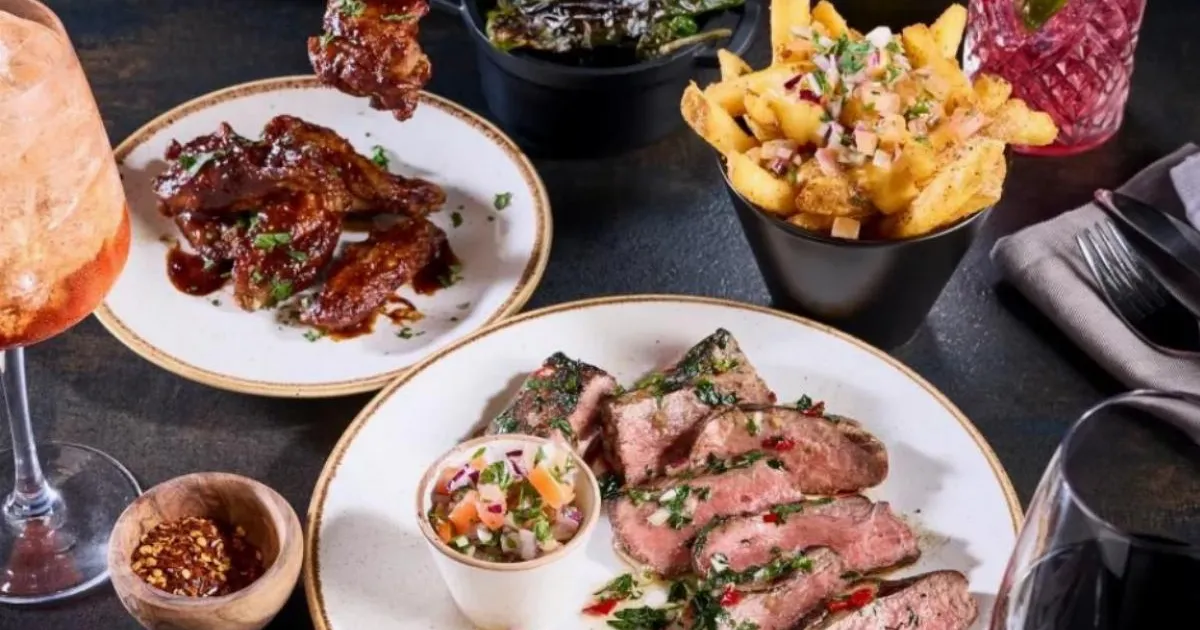
The closure of the Bar + Block steakhouse chain is perhaps the most jarring for urban dwellers, as it represents the complete disappearance of a brand that was once a modern staple for affordable, quality steaks. All 20 of its locations will serve their last sirloin on September 3rd, a decision that removes a familiar dining option from bustling city centers and business districts. The geographical spread of these closures is particularly telling, with seven London branches—from the historic streets of Aldgate and Southwark to the vibrant hubs of King’s Cross and Hammersmith—all falling silent simultaneously. This is not a case of pruning underperforming outlets; it is a wholesale retreat from the concept. For the staff who griddled the steaks and mixed the cocktails, and for the regulars who knew their favorite table by heart, the news has been met with a profound sense of loss. The brand’s management seemed to acknowledge this emotional weight in a heartfelt Instagram post that served as an elegy for the chain. Their message, which thanked guests for their support and invited them to “raise a glass, savour your favourite dish, and toast to the memories,” struck a chord of genuine melancholy. The invitation to return for one final visit before September 3rd frames the closure not as a cold business transaction but as a wake, a chance for the community to gather one last time and honor the role the restaurant played in their lives, before the lights are switched off for good.
Parallel to the steakhouse closures, the fate of the Cookhouse + Pub and Table Table brands highlights the loss of the suburban and roadside pub, an institution that has historically been the heartbeat of British neighborhoods. The 14 Cookhouse + Pub locations, which often served as the only “local” for miles, are shutting down, leaving a vacuum in areas like St Neots, Blackpool, and Ashington. Similarly, the sheer scale of the Table Table closures—32 venues in a single day—is staggering. The list of names reads like a roll call of British geography: The Nelson in Norfolk, The Smugglers Retreat in Kent, The Harbour in Gwynedd, and The Ridgacre in the West Midlands. These are not just names on a corporate spreadsheet; they are landmarks. For countless families, these pubs were the venues for Sunday roasts after a long walk, the setting for anniversary celebrations, and the reliable stop on a long car journey where the kids could play while the adults rested. The closure of these establishments often leaves a stark silence in town centers and on housing estates, spaces where laughter, conversation, and community spirit once thrived. The loss of the Table Table brand, which was designed specifically to be accessible and comfortable for families, is a particularly pointed indicator of how cost pressures and changing consumer habits are reshaping the hospitality industry, often at the expense of the most accessible and democratic social spaces.
The corporate rationale behind this wave of closures is a cold calculation of modern economics and consumer behavior. Whitbread has articulated a clear strategy to divest itself of its standalone restaurant chains in favor of an “integrated food and beverage offer.” In layman’s terms, the company is shifting its focus away from operating high-street restaurants toward the more lucrative and controlled model of hotel dining, concentrating on its core Premier Inn business where food is an amenity rather than a primary draw. This pivot is a response to the relentless financial pressures battering the hospitality sector: soaring energy bills, the increased cost of food and drink imports, rising minimum wage obligations, and a consumer base that is increasingly cautious with its discretionary spending. Furthermore, the pandemic fundamentally altered dining habits, with many people discovering a preference for delivery apps or simply staying home. The suburban pub and the mid-tier steakhouse, which were already struggling to differentiate themselves in a saturated market, have become liabilities rather than assets. From a purely fiscal perspective, Whitbread is cutting its losses to protect its balance sheet, but this logic offers little comfort to the regions that will lose vital employment and a sense of place. The company’s decision to stagger the closures, with the next major wave hitting Beefeater and Brewers Fayre in 2026, suggests a planned, managed withdrawal rather than a desperate scramble, but the end result is the same: a diminishing number of affordable, casual dining venues across the UK.
These closures are the latest and most visible symptom of a broader national crisis sweeping the British high street, a crisis that has accelerated with alarming speed in recent months. The hospitality sector is facing its most challenging environment in a generation, and Whitbread is not alone in retreat. This week’s news follows a devastating pattern of retail and food service attrition across the country. The mini-supermarket group Foreways, for instance, has announced it is shuttering all of its locations in Carlisle, Cumbria, removing a convenient shopping option for local residents. The accessories brand Radley has gone dark, closing both its physical shops and its website, leaving its loyal customers scrambling for alternative suppliers. Supermarket giant Morrisons is rationalizing its portfolio by closing nearly 100 of its Daily convenience stores, while Quiz Clothing has also entered administration. This is not a random series of unfortunate events but a coordinated retreat from the physical retail and dining space, driven by the dual juggernauts of online shopping and the exorbitant cost of running a physical establishment. High streets that were once vibrant centers of commerce and community are increasingly characterized by shuttered facades and “To Let” signs. The closure of restaurants like Bar + Block and Table Table removes the “third places” that people use to connect outside of home and work, spaces that are crucial for social cohesion and mental well-being.
While the corporate press releases and strategic reviews frame these closures in terms of portfolio optimization, the human cost is impossible to overlook. Behind the statistics of “66 locations” are thousands of individuals—chefs, waiters, bartenders, and duty managers—who will wake up on September 4th without a job. The hospitality industry has long been a gateway for workers, offering flexibility and entry-level opportunities, and these closures will send a shockwave through the labor market, flooding areas with job seekers at a time when other sectors are also contracting. For the employees of Bar + Block, the sudden and total closure of the brand leaves them with no internal fallback, forcing them to compete for positions in an already strained economy. Furthermore, the closures sever the relationships that staff build with their regulars. The pub landlord who knew your order before you sat down, the waitress who celebrated your child’s exam results with you—these are the personal connections that cannot be replicated by a food delivery app. For the local communities, the shuttering of a pub is often the precursor to a decline in neighborhood safety and morale, as a hidden revenue stream and a passive surveillance mechanism disappears. The sense of loss is profound; these venues were not merely places to consume food, but anchors of identity and history, and their absence will be felt long after the “Closed” signs are hung and the furniture is auctioned off.
In conclusion, the closure of these 60 restaurants and pubs is a poignant reminder of the fragility of the high-street institutions we often take for granted. As Whitbread pivots toward a futuristic vision of integrated hotel dining, the immediate consequence is a widespread gutting of the familiar landscape that has defined British social life for decades. The finality of the September 3rd closures, followed by the impending doom of the Beefeater and Brewers Fayre brands in 2026, marks the end of an era for affordable, casual dining. While corporations will survive and adapt, the communities left behind will have to navigate a world with fewer communal hearths. The farewell parties at Bar + Block and the last dinners at Table Table are not just commercial events; they are rites of passage, acknowledging the passing of a quintessential British institution. The move away from these stand-alone restaurant brands is part of a larger, relentless march toward a more homogenized, cost-efficient commercial world, one where the unique character of a local pub is often sacrificed for the bottom line. As the doors close on these 66 locations, the British public is collectively losing more than just convenient places to eat; they are losing the very spaces where memories were made, and the silence left in their wake will be a powerful testament to what has been lost in the name of progress.