


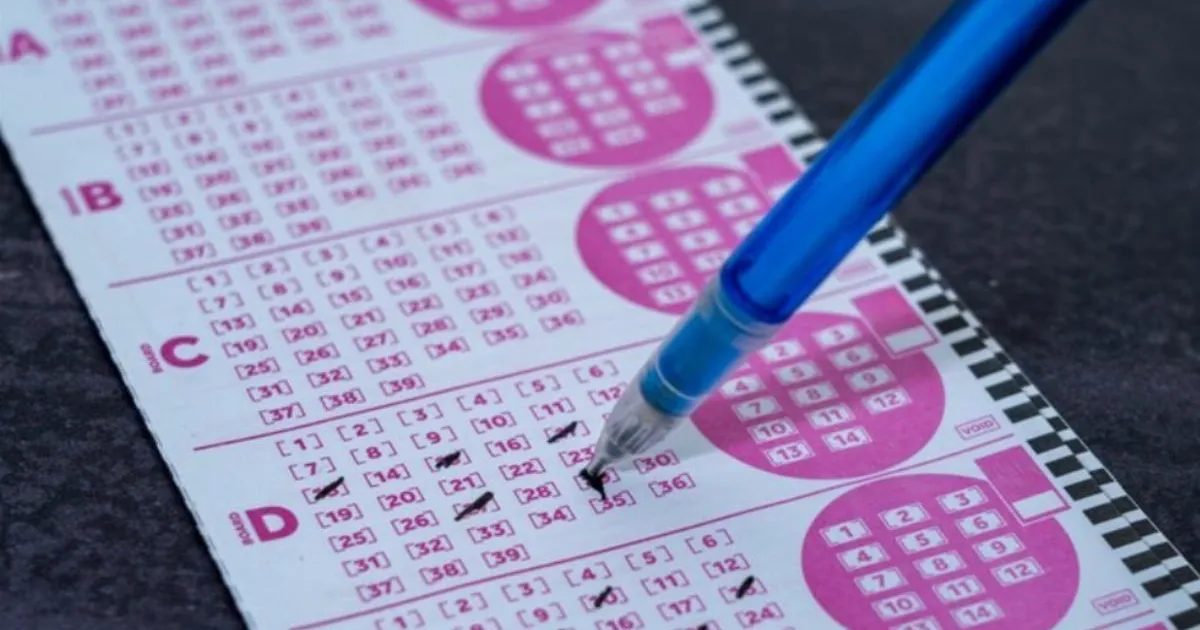
Imagine the sheer, gut-wrenching irony of holding the key to a completely new life in your hands, only to have it disappear into the bottom of a rubbish bin. For Kath Main, a mother-of-two and rugby club secretary from Abercynon, South Wales, this isn’t just a hypothetical nightmare; it is her current, agonizing reality. For two decades, Kath has loyally played the same sequence of numbers—08, 10, 26, 30, 35, and 42—nurturing the quiet hope that one day, her persistence would pay off. That day finally arrived on June 6, when those very numbers hit the jackpot, promising a staggering £12 million. Instead of celebrations and champagne, however, Kath is left living in a state of nauseating limbo, caught in a high-stakes battle to prove that her ticket was one for the history books.
The sequence of events that led to this tragedy is almost cinematic in its frustration. On that fateful day, Kath’s mother visited their local Londis shop to check the ticket against the store’s terminal. According to the mother, the machine remained silent, and the shopkeeper confirmed that nothing flagged up on the screen. Trusting the technology of the National Lottery, and presumably believing the ticket was a worthless scrap of paper, she gave the shopkeeper the go-ahead to throw it away. It wasn’t until Kath saw news reports about an unclaimed £12 million jackpot that the pieces of the puzzle clicked into place. When she franticly called her mother to double-check, the realization hit like a physical blow: the ticket, which represented her family’s future, had already been taken away by the binmen.
In the aftermath, the emotional toll on Kath has been profound. Describing herself as feeling “sick all the time,” she finds herself trapped in a world of uncertainty, waiting for official confirmation from Allwyn, the lottery operator. It is a unique kind of torture—knowing you have the winning numbers but lacking the physical slip to prove it. She has done everything in her power to advocate for her claim, providing the company with proof of purchase and even doorbell footage showing her mother at the shop the moment the ticket was printed. For Kath, every passing hour is agonizing, as the life-changing sum of money hangs in a state of suspended animation while the bureaucracy of investigation grinds on.
The investigation now hinges on the reliability of the shop’s lottery terminal. While Allwyn has suggested that the machine not “beeping” usually points to human error, Kath remains convinced that the technology failed her. The store’s owner, Karan Kumar, has corroborated the possibility that the machine might have been malfunctioning, though he admits the shop’s ongoing renovations have left them without the security camera footage that could have settled the matter instantly. It is a frustrating coincidence—to have the truth potentially captured on a lens that was temporarily removed for building work, leaving Kath to rely on the thoroughness of an official audit that could take up to 30 days to resolve.
This story highlights a strange, often overlooked facet of the lottery system. Despite the horror of the situation, the National Lottery is one of the few organizations worldwide that actually allows for claims on lost, stolen, or destroyed tickets. This provision is the only glimmer of hope for the Main family. An Allwyn spokesperson has emphasized their “duty of care” and confirmed they are actively investigating the claim, stressing that their ultimate goal is to ensure the prize money ends up in the hands of the rightful winner. It is a cold comfort against the backdrop of the missing ticket, but it offers a formal path toward justice, provided the evidence can withstand the scrutiny of a massive corporate investigation.
Ultimately, Kath’s ordeal serves as a cautionary tale about the fragility of luck and the fallibility of systems we trust blindly. We rely on machines to tell us when we’ve struck gold, rarely stopping to consider what happens when that automated voice stays silent. For the people of Abercynon and beyond, the story is a focal point of empathy; everyone can imagine the sheer panic of realizing a potentially life-altering error has occurred. As Kath waits for the 30-day deadline to pass, she remains a symbol of every lottery player’s worst fear: being inches away from a dream, only to have it tossed out with the morning trash. Whether or not she ultimately receives the £12 million, her story remains a gripping, heartbreaking reminder that sometimes, the biggest obstacles are the smallest moments of misunderstanding.