


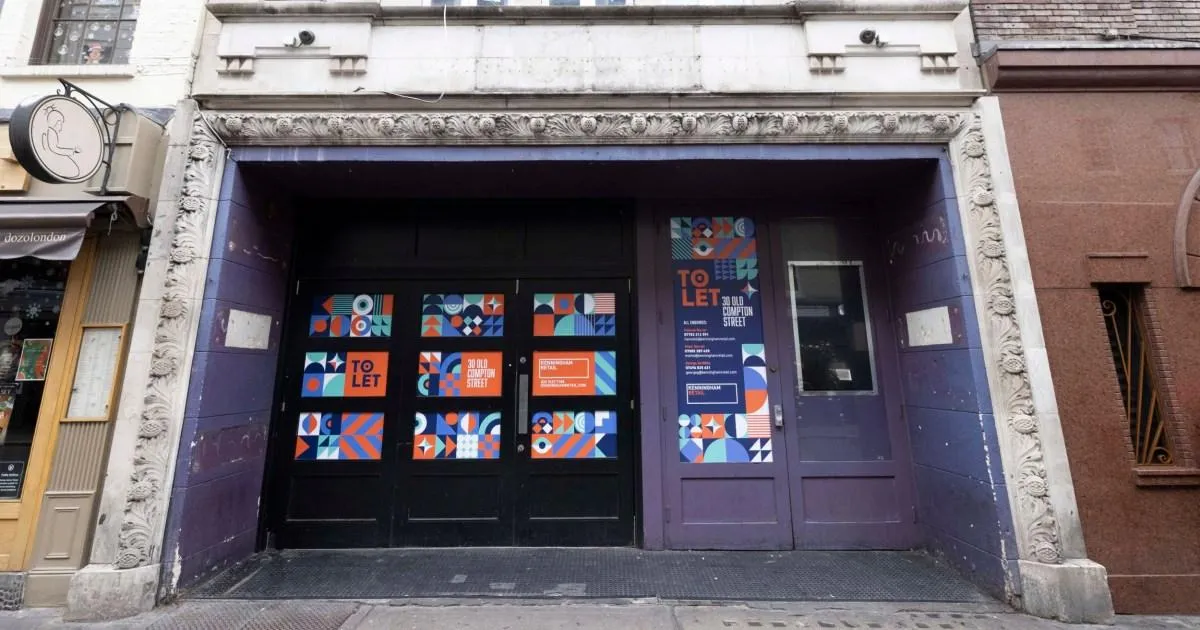
For twenty-two years, the site at Old Compton Street was synonymous with a specific era of London nightlife. As the home of the iconic G-A-Y Bar, it served as a cornerstone of Soho’s cultural identity, standing tall as a beacon for the LGBTQ+ community. However, its closure last October marked the end of an era, driven by the frustrations of its former owner, Jeremy Joseph, who felt beleaguered by local council disputes and the shifting tides of the neighborhood. For nine months, the building sat silent, its walls still soaked in the remnants of its past, leaving a void on a street that had long been considered the epicenter of queer life in Britain.
Now, a new chapter is beginning under the direction of Matthew Jacobs Morgan, who has taken on the massive task of reviving this historic space. The transformation hasn’t been easy; Matthew describes the process of scrubbing away the legacy of the former tenant—most notably the heavy, persistent purple paint—as a true “nightmare.” From literal layers of paint to the hunt for specific fire-rated tiger print wallpaper, the renovation has been a labor of grit and determination. It is a physical manifestation of a transition: stripping back the old to make room for a vision that is both fresh and deeply intentional.
The new venue, aptly named “Coven,” is designed to be more than just a nightclub; it is intended to be a genuine sanctuary. While Matthew acknowledges that G-A-Y Bar was his own introduction to nightlife at age 19, he is pushing for a broader philosophy of inclusion. Coven is curated for “every letter of the LGBTQIA+ alphabet,” moving away from a male-centric focus toward a space that prioritizes true intersectionality. The goal is to provide a home where everyone feels they have a rightful seat at the table, honoring the history of the building while consciously evolving its soul.
Stepping inside, the aesthetic shift is immediate. Matthew and his team have moved toward a sophisticated, contemporary style that retains subtle, respectful nods to the building’s history, such as the faint, burned-in logo on a downstairs screen. These remnants are balanced by new features: an antique fountain filled with books on queer history and a grand piano that serves as a centerpiece, gifted to the venue by supporters. It is a space that feels curated rather than manufactured, blending music, literature, and art to create an atmosphere that feels both permanent and welcoming.
The opening also arrives at a pivotal moment for London’s broader nightlife scene. With Mayor Sadiq Khan pushing to standardize licensing rules and curb the “undue influence” of local groups that have historically stifled Soho’s business growth, Coven’s arrival feels like a bellwether for potential change. Matthew has navigated these murky waters with rare success, choosing to engage directly and transparently with resident groups rather than fighting them. By keeping closing times respectful—mostly wrapping up by 1:00 AM—and opening the doors as a daytime coffee and workspace, he has managed to garner the support needed to turn the lights back on.
Ultimately, Coven is a testament to the power of community collaboration. The project has been sustained by a chain of favors, from the donated piano to sponsorship for the facilities, proving that this is a project “built by queer people, for queer people.” As the last of the dust settles and the doors finally open, the venue stands as a symbol of resilience. It is a reminder that even when a legendary space falls silent, the community it nurtured can find the energy, passion, and creativity to reclaim the street and breathe new life into its storied walls.