
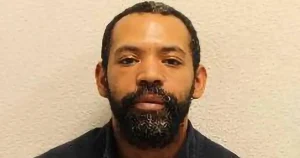

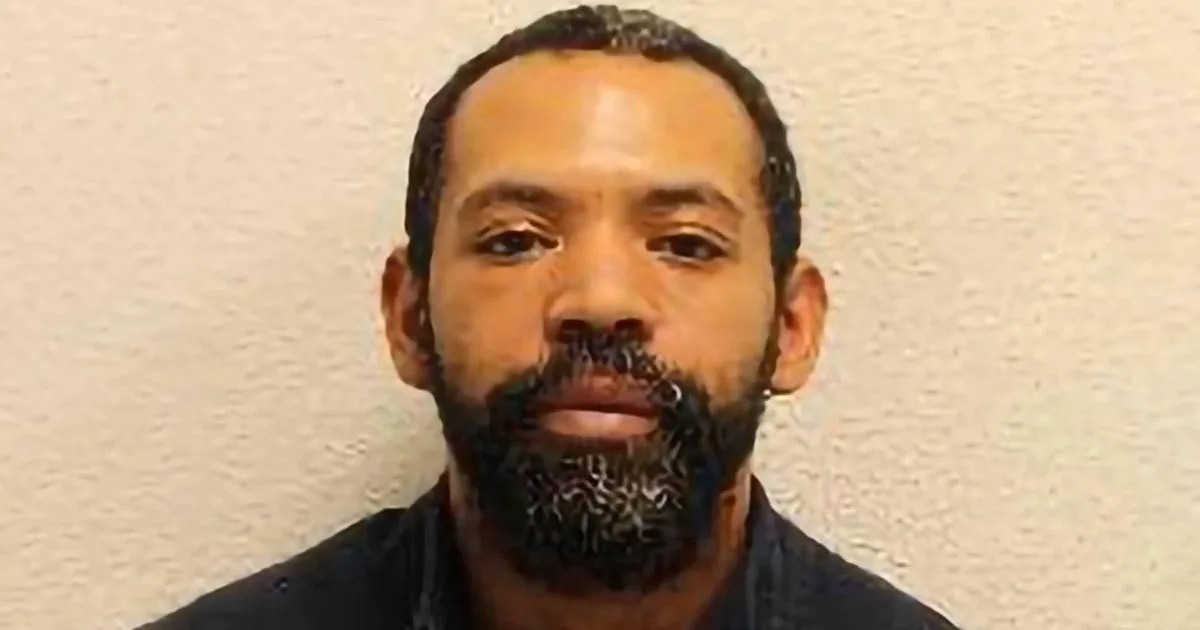
It is often easy to view police investigations through the lens of cold statistics and legal proceedings, forgetting the human connection required to seek justice. Recently, a young detective with the Metropolitan Police—still a graduate trainee at the time—demonstrated that empathy is as powerful a tool as any forensic technique. He was tasked with the investigation into a horrific attempted murder involving Brandon Ruck, who had viciously attacked his former friend in a Lewisham home. The victim, who suffered 16 stab wounds and life-altering injuries, was initially deeply hesitant to cooperate with the authorities. This reticence was not born of malice, but of a long-standing distrust of the police, a barrier that threatened to leave a violent offender on the streets.
The detective, who currently serves in counter-terror policing and cannot be named, recognized that standard police procedure wouldn’t be enough to break the silence. Instead of leaning on his badge or formal protocols, he chose to lean into their shared humanity. Realizing they were both in their 30s and shared a common passion for sports, the detective decided to communicate on a personal level rather than a clinical one. He approached the victim not as a witness to be processed, but as a person who had been through a nightmare. By “speaking like a normal person” and showing genuine care, he slowly fostered the trust necessary for the survivor to feel safe enough to share his story.
This rapport proved to be the turning point of the trial, leading to the discovery of a harrowing piece of evidence that would have otherwise gone unheard. Just moments before the attack began, the victim had managed to call a friend and toss his phone aside, unwittingly recording the entire encounter. The 30-second audio capture was gut-wrenching, documenting the victim’s desperate cries for help and the terrifying sounds of his assailant. The detective, who listened to the recording nearly 400 times as he prepared the case, noted that even after repeated hearings, the emotional toll remained heavy. He recalled the visceral shock of hearing the victim pleading, “What is wrong with you?”—a sound that, while traumatic to process, became the cornerstone of the prosecution’s case.
When the matter finally reached court, that recording acted as a powerful testament to the brutality of the crime. Alongside the clinical reports detailing the victim’s severe damage—including nerve injuries that may permanently hinder his ability to swallow—the audio provided the jury with a raw, unfiltered look at the defendant’s actions. The detective admitted that standing in the courtroom, he could only imagine the impact those recordings had on the jurors. It was a stark reminder that while he had become accustomed to the grim realities of the job, the evidence was deeply distressing for those unfamiliar with the darker side of human nature.
Ultimately, the jury returned a guilty verdict for attempted murder, ensuring that Brandon Ruck would face justice for his actions. Looking back on the experience, the young detective credits his status as a newcomer for his unconventional success. Having joined the force through the “Police Now” graduate program after studying criminal investigation in the Midlands, he did not enter the role with hardened biases or a cynical outlook. He embraced the complexity of the case with open eyes, proving that fresh perspectives can often bridge the gap between community distrust and effective law enforcement.
Reflecting on his journey, the detective admits that being a police officer was not necessarily a childhood dream, but rather a realization he came to upon entering the field—a sense that he was exactly where he was meant to be. This case served as a baptism by fire, representing one of the largest and most challenging responsibilities he has shouldered in his nascent career. By prioritizing the victim’s humanity and fostering a genuine connection, he didn’t just secure a conviction; he validated the suffering of a man who felt ignored by the system. As the sentencing date approaches this July, the case stands as a powerful testament to the idea that the most effective policing is often driven by empathy and authentic human connection.