

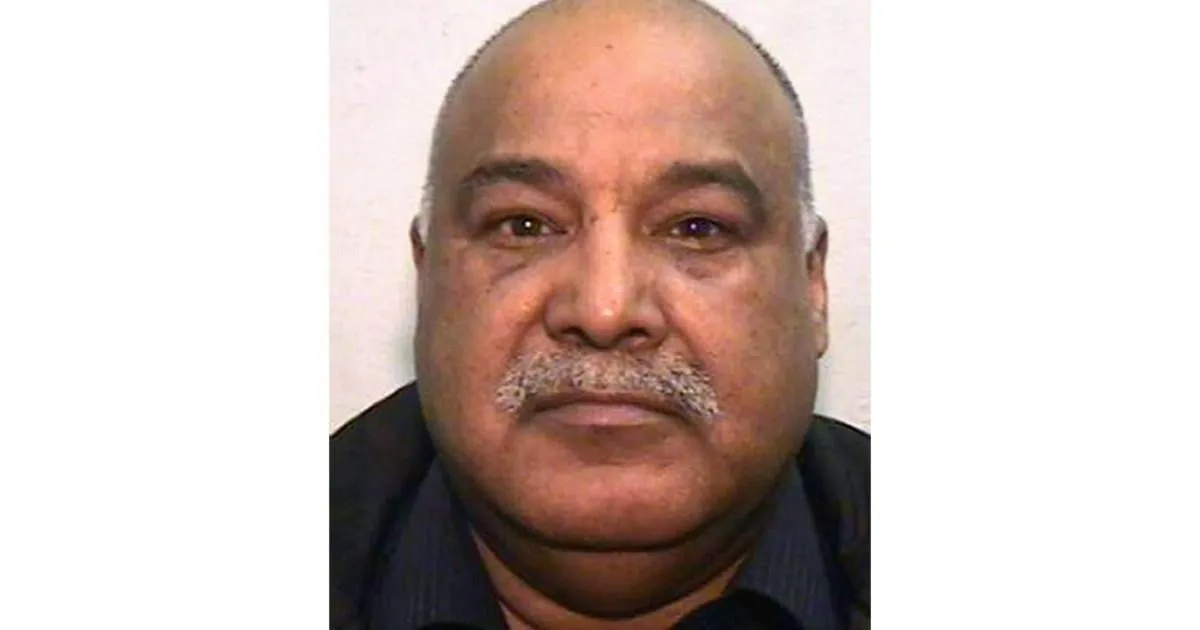
The impending release of Shabir Ahmed, the 73-year-old ringleader of a notorious Rochdale child sex grooming gang, has ignited a firestorm of controversy and widespread public fear. After serving 14 years for a litany of horrific sexual offences against young, vulnerable girls, Ahmed—a man who disturbingly referred to himself as “Daddy” to his victims—is scheduled to walk free. Despite being stripped of his British citizenship, current legal hurdles, specifically the Immigration Act of 1971, have prevented the Home Office from deporting him back to Pakistan. This bureaucratic reality has left those he traumatized feeling abandoned, frightened, and deeply betrayed by a justice system that they feel prioritizes technical legalities over their fundamental right to live without fear.
The psychological toll on the survivors is, quite frankly, immeasurable. Women like “Ruby,” who has bravely spoken out with the support of The Maggie Oliver Foundation, are living in a state of constant, debilitating hypervigilance. The prospect of Ahmed returning to society has eroded their sense of security, forcing them to alter their daily routines and live in perpetual anxiety. For these survivors, the system’s failure to prevent his release confirms their darkest suspicions: that despite years of investigations and the exposure of “serious failings” by authorities, the victims remain an afterthought. They are left to grapple with the knowledge that their tormentor is now free to walk the streets, move through the world, and potentially reconnect with networks that enabled his crimes in the first place.
At the political level, the outcry has been sharp and immediate. Andy Burnham, acknowledging the profound anger felt across Greater Manchester, has signaled that a future Labour government would approach this case with an entirely different level of urgency. Emphasizing that “victims must come first,” Burnham has declared that “nothing is off the table” regarding Ahmed’s deportation. He plans to demand that the Home and Foreign Secretaries conduct an exhaustive review of all available options to remove this man from the country. This stance reflects a growing national consensus that, in cases of such extreme depravity, the complexities of human rights legislation should not serve as an impenetrable shield for perpetrators who have fundamentally forfeited their right to reside in the community they terrorized.
The history of Ahmed’s crimes paints a picture of systemic exploitation. Between 2008 and 2010, his gang operated with a sickening, cold-blooded efficiency, luring girls as young as 12 with alcohol and drugs before subjecting them to systematic abuse in rooms above businesses and private flats. At the time, Ahmed held a position of trust, working in local government, which only highlights the horrific power imbalance he exploited. Throughout his trial in 2012, he displayed a blatant lack of remorse, verbally attacking the judge and later attempting to use the European Court of Human Rights to evade the consequences of his actions. His legal maneuvers have since become a symbol of the frustration felt by many citizens who see dual-nationality offenders weaponizing family life clauses to remain in the UK after committing heinous crimes.
In response to the public outcry, the Home Office has attempted to provide some reassurance, noting that Ahmed will be subjected to the strictest possible monitoring upon his release. He is slated to live in 24-hour staffed accommodation, is subject to a life-long registration on the sex offenders list, and must adhere to a strict exclusion zone that keeps him out of the Rochdale area. Furthermore, he will be tracked via electronic tagging, with authorities promising that any breach of these conditions will result in an immediate return to prison. However, for the survivors and their advocates, these measures feel like cold comfort. Electronic tags and exclusion zones do not erase the trauma or the sense of indignity that comes with knowing a man who destroyed their childhoods is still technically “among us.”
Ultimately, the plight of these survivors serves as a grim indictment of a broader failure to protect the most vulnerable in our society. The fact that Ahmed’s release is even possible in the current climate has forced a long-overdue national conversation about the limits of law when it clashes with moral justice. As the campaign “This Is Not Right” highlights, the epidemic of violence against women continues to persist, and it is emboldened by every instance where the justice system appears to shield the predator rather than protect the target. For the people of Rochdale and the survivors of Ahmed’s gang, the priority is clear: they do not just want monitoring; they want the peace of mind that can only come from knowing he is no longer in this country to stalk their shadows.