


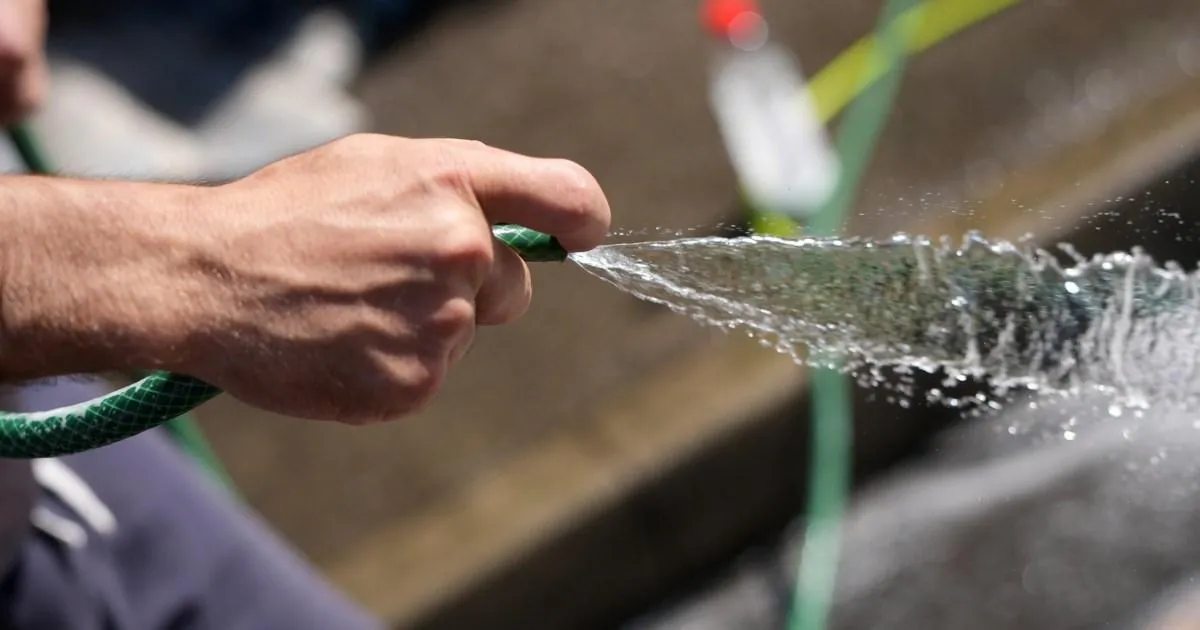
The United Kingdom is currently caught in the tightening grip of a relentless heatwave, a weather event of such intensity that it has forced authorities to impose strict measures not seen in decades. With temperatures shattering records—surpassing 34°C more frequently this year than in any year since 1976—the demand for resources has reached a breaking point. For the first time in over 30 years, water companies like Cambridge Water have been forced to implement temporary hosepipe bans to protect fragile local ecosystems. These restrictions, which have already begun to ripple across Kent, Hampshire, and the Isle of Wight, carry the weight of potential £1,000 fines, reflecting the severity of a situation where the region’s vital chalk streams are being prioritized over the convenience of garden maintenance.
This crisis is a sobering reminder that climate change is no longer a distant theoretical threat; it is a present, disruptive reality. Scientists have confirmed that the extreme weather patterns we are experiencing today are intensified and made more frequent by the steady climb of global temperatures, largely driven by fossil fuel consumption. Last month was recorded as western Europe’s hottest June in history, and the second-hottest globally, signaling a disturbing trend. As the mercury rises, the infrastructure we rely on—from water supplies to the national power grid—is being pushed to its absolute limits, leaving officials, environmentalists, and citizens alike to grapple with a fragile balance between human comfort and environmental survival.
The human cost of this heat is perhaps the most concerning aspect. The UK Health Security Agency has responded by escalating heat-health alerts to “amber” across vast swaths of England, including London and the Yorkshire regions. These alerts are not merely advisory; they carry a grim forecast of potential spikes in mortality, particularly among the elderly and those with existing chronic health conditions. Sheltering in the shade and limiting strenuous activity have become essential survival strategies for millions. As the heat persists, the social and healthcare sectors are bracing for significant strain, underscoring the urgent need for communities to check on their vulnerable neighbors during these sweltering days.
It isn’t just our water supply feeling the squeeze; the nation’s energy infrastructure is also struggling to cope. In an unusual turn of events, the electricity grid operator has issued early warnings regarding power margins, a move typically reserved for the freezing depths of winter. The extreme heat is undermining the efficiency of nuclear power plants and gas stations, which require water cooling to function properly. At the exact moment these power stations are underperforming, the demand for electricity is surging as households turn to fans, air conditioning, and refrigeration to ward off the heat, creating a precarious “perfect storm” for the national energy network.
Beyond the immediate concerns of water and power, the tinderbox conditions of the countryside have created a heightened risk of devastating wildfires. The National Fire Chiefs Council has issued stern warnings to the public, urging an end to the use of disposable barbecues in public parks, moorlands, and open fields. What might seem like an innocent summer activity has become a dangerous catalyst for potential destruction. As the land dries out, the landscape becomes increasingly susceptible to fires that can spread with terrifying speed, serving as a stark reminder that in these extreme conditions, even small actions can have catastrophic consequences for the environment.
As we look toward the immediate future, it is clear that our relationship with the changing climate must adapt. The current heatwave serves as a wake-up call, proving that our infrastructure and our personal habits are increasingly at odds with a warming planet. While we look for ways to stay cool—whether it’s cooling off in the sea or finding the best discounts on fans—we are simultaneously being forced to reckon with the sustainability of our water usage and our energy consumption. Navigating these record-breaking days will require both individual responsibility and a collective shift in how we manage the precious resources that sustain our lives in an increasingly unpredictable world.