



# Families of Victims Demand Justice in Campaign Against Early Release
The families of murder victims have united in a powerful display of grief and determination, urging the government to reconsider its early release scheme for violent offenders. In an emotional letter addressed to Justice Secretary Alex Norris, dozens of bereaved families have expressed their deep concern that victims’ families are being forced to bear the consequences of the prison capacity crisis. These families, who have experienced unimaginable loss, are now fighting to ensure that those convicted of the most serious crimes face appropriate consequences for their actions. Their collective voice represents a growing movement of survivors and advocates who believe that the justice system must prioritize public safety and the rights of victims over administrative convenience.
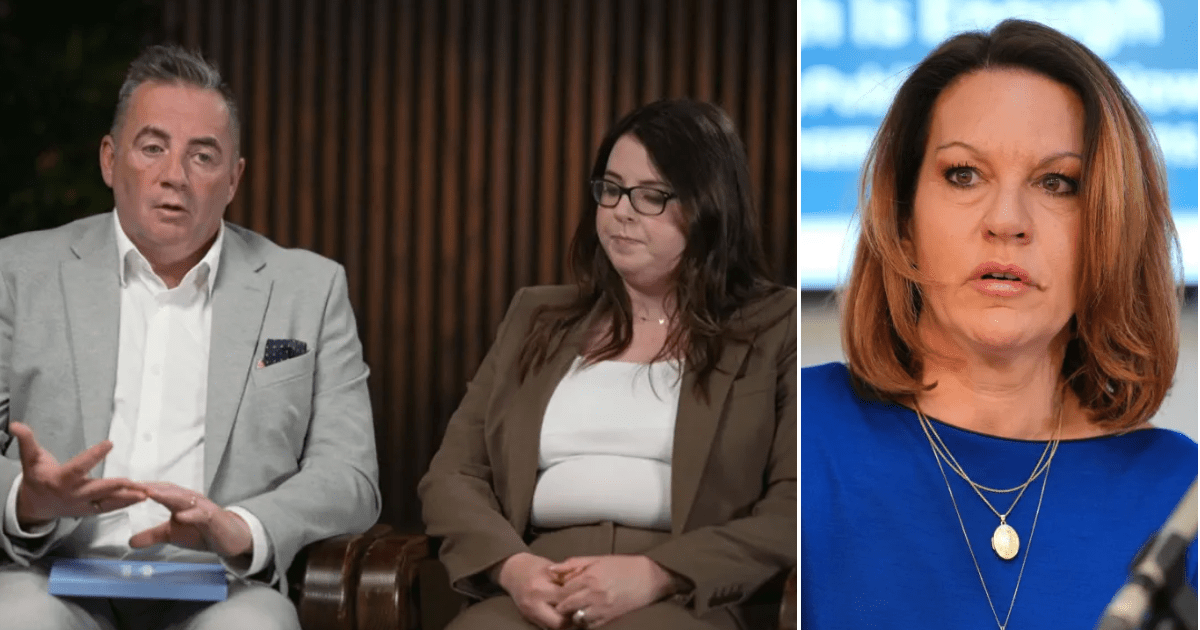
Among the signatories are some of the most recognizable names in recent cases of violent crime that shocked the nation. John Hunt, the BBC racing commentator whose wife Carol and daughters Hannah and Louise were tragically murdered in a crossbow attack, has lent his voice to this cause. Emma Webber, whose son Barnaby was one of the victims of the horrific Nottingham stabbings that also claimed the lives of Ian Coates and Grace O’Malley-Kumar in 2023, has also joined the campaign. Diana Parkes, whose daughter Joanna Simpson was killed by her estranged husband Robert Brown in 2010, adds her powerful testimony to this collective call for change. These are not just names on a letter; they represent real people whose lives have been shattered by violence and who now seek to ensure that other families do not face similar pain.
The specific concern at the heart of this campaign revolves around a potential loophole in the government’s proposed changes to the early release scheme. While the recent announcement indicated that killers of PC Andrew Harper, who were convicted of unlawful act manslaughter, would not be eligible for early release, the families are pointing out that this exemption appears to be too narrowly drawn. Their letter highlights that voluntary manslaughter – cases where all elements of murder are present, including intent to kill or cause serious harm, but a partial defense reduces the conviction from murder to manslaughter – should also be included in the exemption. This distinction is crucial, as many serious domestic homicides fall into this category, and the families argue that excluding them creates an arbitrary and unjust divide in how the justice system treats offenders.
The timing and context of these concerns are particularly significant, as the government faces mounting pressure over prison overcrowding. The early release scheme was introduced as a pragmatic measure to address the crisis of an overburdened prison system, with approximately 5,000 offenders currently scheduled for early release, a number that was reduced from 6,000 after certain exemptions were announced. While the government maintains that these measures are necessary to manage the prison population, the families argue that such considerations should not come at the expense of justice for victims and their loved ones. Their letter emphasizes that victims are being asked to bear the burden of systemic failures in the justice system, a situation they find deeply troubling and fundamentally unfair.
The Ministry of Justice has responded to these concerns, indicating that the government shares the public’s anger about these cases and is taking steps to strengthen the system. A spokesperson confirmed that they are fast-tracking plans to keep more dangerous offenders behind bars, building on previous measures that have already blocked murderers and those convicted of rape, serious child sexual abuse, and grooming offences from benefiting from early release. Looking toward the future, the government is investing in expanding prison capacity with a commitment to building 14,000 new places, while also enhancing monitoring through expanded electronic tagging and increasing resources for probation services. Furthermore, the Justice Secretary has been asked to present plans for additional changes to Parliament, which may include provisions for considering restrictions on early release for other serious offenses.
Advocacy groups and support organizations have rallied behind the families, emphasizing the importance of a consistent and fair approach to justice. Hetti Barkworth-Nanton, chairwoman of the board at Refuge, a leading domestic abuse service provider, welcomed the government’s willingness to address accelerated release for serious offenses but stressed that this principle should apply consistently across all homicide cases. Frank Mullane, chief executive officer of Advocacy After Fatal Domestic Abuse, highlighted that the breadth of support for the letter demonstrates how deeply these issues resonate with families who have experienced devastating losses. The campaign, launched by Metro in partnership with Women’s Aid in November 2024, aims to shine a light on the epidemic of violence that has torn apart so many families and communities across the nation, urging the government and indeed society as a whole to take meaningful action in response.