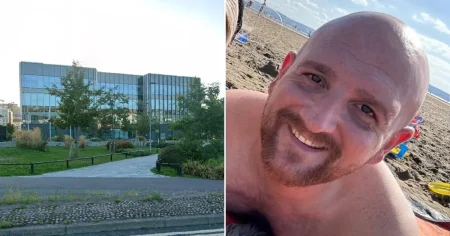


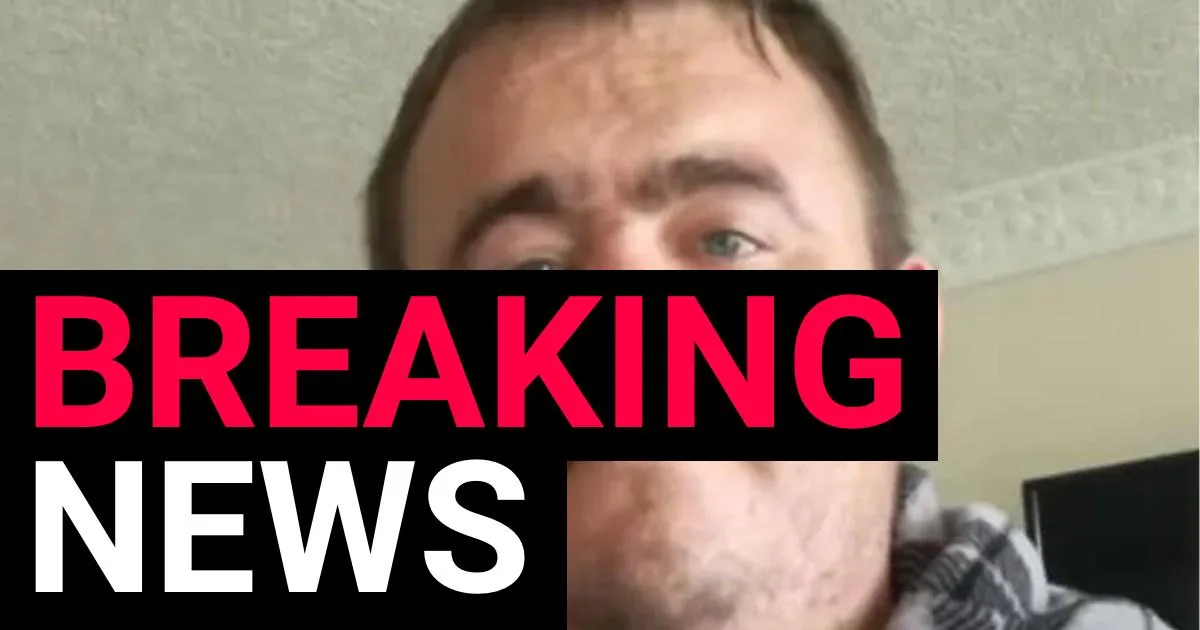
The story of Stephen Ogilvie, a 44-year-old Belfast resident, serves as a sobering reminder of how quickly a single act of violence can fracture the peace of an entire community. Recently, Stephen suffered a brutal stabbing that left him with catastrophic injuries, particularly to his face and eyes. For days, his family and the city held their breath as he remained in an induced coma, unaware of the chaos his tragedy had inadvertently unleashed. While his parents have now shared the bittersweet news that Stephen has awakened, the road ahead is devastatingly steep; he has already lost sight in one eye, with the agonizing possibility that he may lose vision in the other, forever altering every aspect of his daily life.
The outpouring of support from strangers has provided a small, flickering light in what has otherwise been a period of profound darkness. Through a GoFundMe campaign, the community has rallied to ensure that Stephen’s future—defined by extensive medical needs and the challenge of adapting to a new, sight-impaired reality—is met with financial security. His parents expressed heartfelt gratitude for this collective kindness, noting that the donations from people who have never met their son have been a source of genuine humility and strength. This financial cushion will be vital for the specialized equipment and long-term support he will require as he begins the daunting process of healing.
However, the ripple effects of this attack transcended the personal tragedy of the Ogilvie family, spilling out into the streets of Belfast in the form of widespread civil unrest. Within days of the stabbing, the city was gripped by three nights of intense violence that saw vehicles set ablaze, homes targeted, and the shuttering of essential local businesses and schools. The air in Belfast, already heavy with social tension, became combustible, as angry protests morphed into acts of unchecked lawlessness. While the attacker, 30-year-old Hadi Alodid, was quickly apprehended and charged with attempted murder, the momentum of the anger had already taken on a life of its own, leaving residents to grapple with a new, prevailing sense of fear.
Amidst the turmoil, stories of extraordinary human decency emerged, most notably that of a man hailed as the “Hero of Belfast,” Maitui Mag Tighearnan. Refusing to be a passive bystander when the attack began, Mag Tighearnan intervened with a hurling bat to stop the assault, and later solidified his commitment to the victim by donating £10,000 to his recovery fund. His actions serve as a stark contrast to the destruction that followed, highlighting the choice between community protection and the mindless chaos that descended upon the city. His bravery offers a perspective on how, in times of crisis, individual morality often acts as the final buffer against total social collapse.
The authorities have faced a barrage of criticism and pressure throughout these tumultuous days, yet the Police Service of Northern Ireland (PSNI) maintains that their presence was the only thing preventing a much higher death toll. Assistant Chief Constable Ryan Henderson spoke with sobering candor about the conditions his officers faced, noting that 42 of them were injured while working to protect citizens. From rescuing families fleeing their targeted homes to physically carrying a two-month-old baby to safety, the officers found themselves battling a mob mentality that sought to exploit the initial crime for wider disorder. The police firmly placed the blame for the destruction on those who chose to turn the streets into a battlefield.
As the smoke clears in Belfast, the city is left to reflect on the cost of the violence that followed a singular, senseless act of malice. With 35 arrests made and 23 individuals charged, the legal system is now tasked with sorting through the aftermath. Yet, for Stephen Ogilvie and his loved ones, the true weight of the event is measured in medical reports and the permanent loss of senses, rather than headlines or political discourse. The situation serves as a grim reflection of how quickly fear can be manipulated, and how essential it is for a community to prioritize the healing of its most vulnerable members over the impulse to succumb to collective rage.