

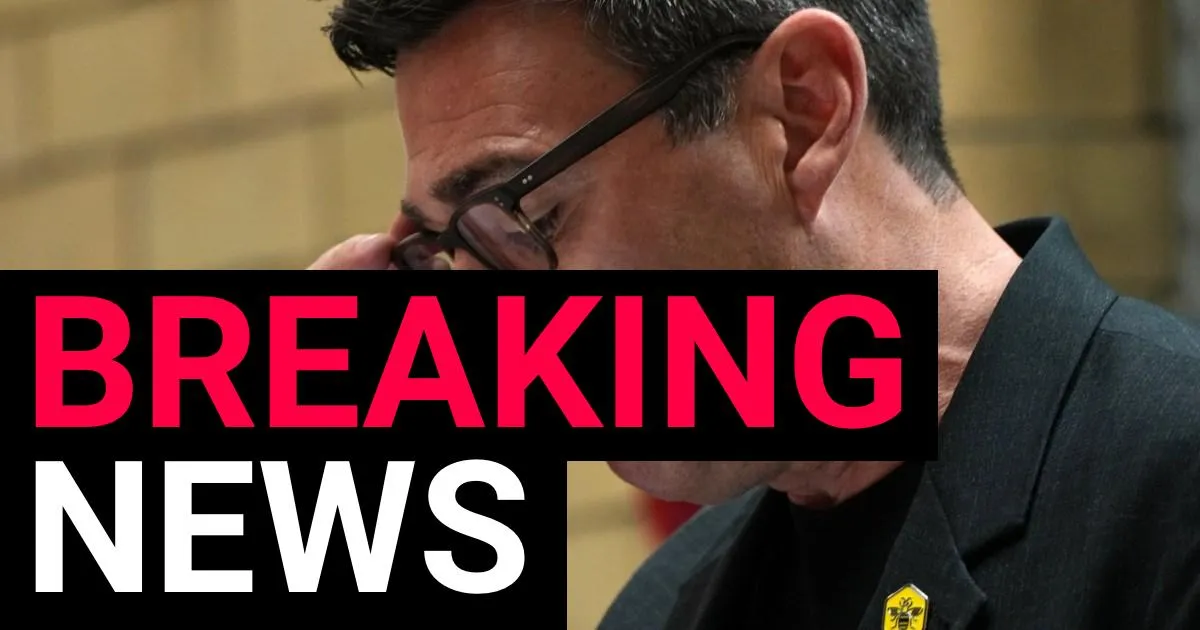
The political landscape in Britain is shifting beneath our feet, as Andy Burnham stands on the precipice of becoming the next Prime Minister in an uncontested transition. With the backing of 322 Labour MPs and a successful return to Parliament via a by-election in Makerfield, Burnham is set to be officially crowned leader of the Labour Party at the end of next week. His ascension, scheduled for July 20, represents more than just a change in personnel; it signals a desire for a pivot in the party’s moral compass, particularly regarding one of the most contentious international issues of our time. As he steps into the spotlight, the weight of public expectation is clearly being met with a characteristically direct, albeit measured, approach to governance.
Central to Burnham’s early messaging is his distinct departure from the path forged by his predecessor, Sir Keir Starmer, especially concerning the conflict in Gaza. In a candid move, Burnham publicly apologized for Labour’s initial response to the crisis, acknowledging that the party’s stance had faltered and failed to meet the expectations of many who had long supported it. By admitting that the prior position was “not good enough,” he is attempting to heal a fracture that previously drove younger, values-driven voters toward the Green Party. His rhetoric suggests he understands that for a government to be truly effective, it must command not only the votes of the public but their moral confidence as well.
Burnham’s perspective on the situation in Gaza is nuanced, balancing a firm condemnation of the October 7 attacks by Hamas with a scathing critique of the humanitarian catastrophe resulting from the Israeli military response. He has explicitly stated that the UK’s call for a ceasefire arrived far too late, and he intends to rectify this sluggishness with a more robust, active foreign policy. While he stops short of using the word “genocide”—arguing that such legal determinations are best left to international courts—he does not shy away from the gravity of the situation, referring to the destruction in Gaza as a “scar on our collective conscience.” It is a rare moment of political vulnerability, demonstrating a leader willing to weigh the complexities of international law against the obvious human suffering he witnesses.
The tangible changes projected under a Burnham premiership would likely involve a more aggressive use of economic levers. He has proposed further sanctions, not just against abstract figures, but specifically targeting those involved in settler violence. Furthermore, he has signaled an intention to move toward banning the trade of goods originating from illegal settlements—a significant tightening of the UK’s trade policy. This signifies a shift from mere passive observation to active, consequence-based diplomacy. He balances this firm stance with an equally resolute commitment to tackling antisemitism within the UK, ensuring that his foreign policy does not alienate or endanger the Jewish community at home, a balancing act that remains central to the character of a national leader.
Beyond the theater of international relations, Burnham is preparing to lean into his northern roots to redefine the structure of British power. In a recent speech in Manchester, he outlined a vision for a “radical” new No. 10 unit specifically designed to decentralize authority. His plan is to empower local governments by handing them direct control over their own housing and transport infrastructure. This is a move toward “greater public control”—a theme he intends to extend to the water and energy sectors as well. By aiming to bring decision-making closer to the communities actually impacted by industry failures, Burnham is gambling that the country is ready for a more localized, hands-on style of management that bypasses the traditional bottleneck of Westminster.
As we look toward the 20th of July, it is clear that Andy Burnham is attempting to position himself as a leader of conviction who is not beholden to the policy inertia of the past. By reconciling with the disillusioned, calling for bolder action in foreign affairs, and promising a structural overhaul of how Britain is governed, he is crafting a portrait of a leader who is both listening to his people and willing to take the helm during a turbulent, transformative era. Whether he can turn these lofty goals into a coherent, functioning reality remains the question for the coming months. For now, however, he has successfully repositioned the Labour Party, signaling that a new, perhaps more empathetic form of leadership is waiting in the wings.