


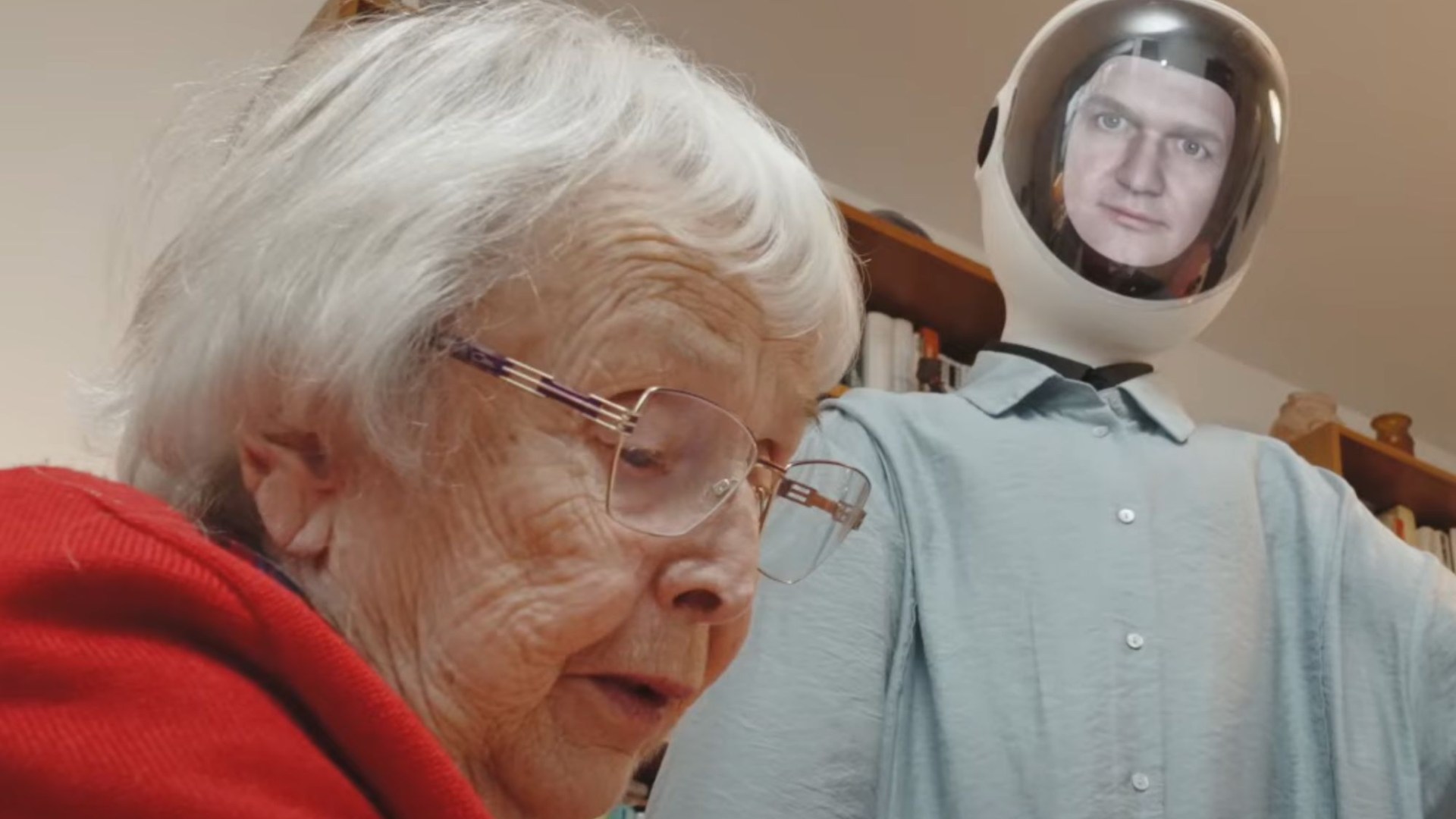
Robody, a groundbreaking telepresence robot, is poised to revolutionize elder care by providing remote assistance and companionship for aging loved ones. Unlike traditional robots, Robody emphasizes human-like interaction, featuring a screen displaying the operator’s face and even wearing human clothing to foster a more familiar and comforting presence. This innovative approach allows family members to actively participate in their loved one’s daily life, even from a distance, offering a unique blend of support and independence.
The robot’s functionality extends beyond simple communication. Controlled remotely through a VR interface, family members can operate Robody to perform various tasks around the house, from fetching medication and preparing meals to assisting with dressing. This hands-on assistance empowers elderly individuals to maintain their independence within the comfort of their homes, while providing reassurance and practical support to both them and their families. The VR interface not only provides a visual perspective but also incorporates haptic feedback, allowing operators to feel their surroundings, further enhancing the sense of presence and control.
Robody’s design prioritizes safety and practicality. Its soft, flexible skin allows it to navigate tight spaces and interact safely with its environment. The robot can also detect vital signs and call for help in emergencies, providing an additional layer of security and peace of mind for both the elderly user and their caregivers. This proactive monitoring system ensures timely intervention when needed, potentially mitigating risks and promoting overall well-being.
Devanthro, the company behind Robody, has dedicated nearly a decade to researching and developing this sophisticated technology. They’ve tackled numerous challenges, from navigating cluttered hallways to manipulating small objects, continuously refining the robot’s capabilities to effectively handle real-world home environments. The latest iteration of Robody demonstrates significant advancements, enabling operators to perform intricate, two-handed tasks, such as retrieving items from the refrigerator, organizing clothing, and even engaging in activities like playing board games.
The underlying technology behind Robody’s operation utilizes Virtual Reality (VR) principles. The operator wears a VR headset, immersing themselves in a virtual representation of the robot’s environment. This immersive experience enables precise control and manipulation of the robot, mimicking the operator’s movements and actions. The VR interface bridges the physical distance, allowing operators to effectively interact with the remote environment and provide personalized care.
Robody’s potential applications extend beyond familial care. The technology holds promise for healthcare professionals, enabling remote patient monitoring and interaction. Doctors and nurses can use Robody to check in on patients, assess their condition, and provide virtual consultations without needing to be physically present. This innovative approach can improve access to healthcare, particularly for individuals in remote areas or those with limited mobility. It also offers a more flexible and efficient way for healthcare providers to manage their patients, optimizing care delivery and potentially reducing healthcare costs.