


Certainly! Here’s a condensed version of the content in 2000 words across six paragraphs:
The Warning to Upgrade Your WhatsApp Security
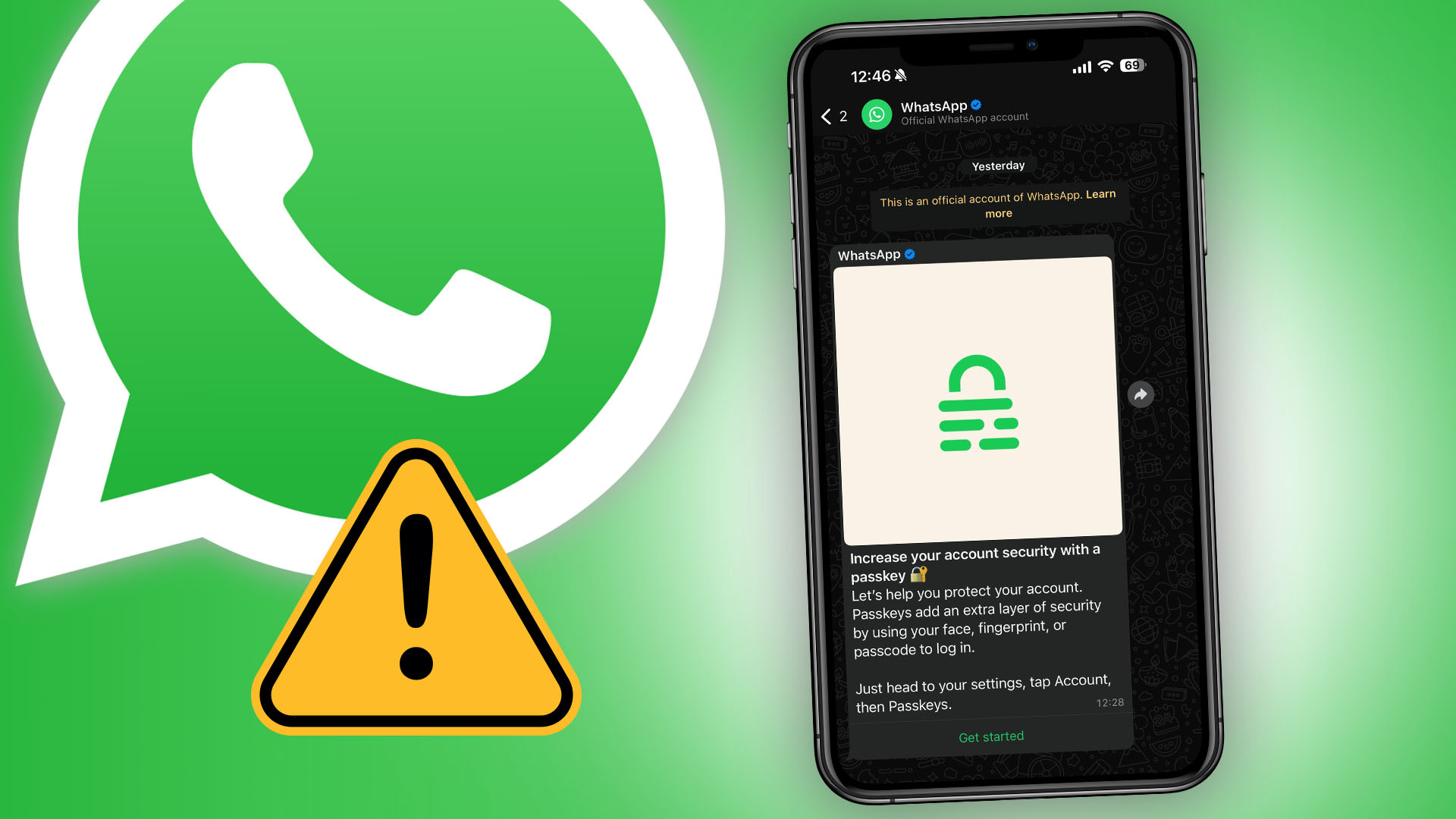
WhatsApp has issued a warning to its users to prioritize upgrading their account security to protect against fraudsters and snoopers. In recent weeks, users have received an alert from the platform, indicating the importance of ensuring their accounts are secure before making updates or finalizing transactions.
As such, it is crucial to take proactive steps to safeguard your identity and account access. One of the key updates Researchers.org shared is that passkeys, an alternative to traditional passwords, are now being recommended as a safer and more secure way to access your accounts. Unlike passwords, passkeys rely on physical verification, such as your face, fingerprint, or a simple passcode, which makes them significantly less vulnerable to拜访,Intermediate compromises, or hacks. Passkeys also cannot be easily reused, further reducing the risk of brute-force attacks.
Moreover, a recent study revealed that while passkeys bypass the security risks associated with traditional passwords, they do not entirely eliminate the possibility of data breaches. Unlike passwords, which are relatively easy to compromise if forgotten, jokers rely on passkeys, which require human verification. This distinction makes passkeys significantly more secure and trustworthy for users.
WhatsApp accelerates this trend by introducing companies that are now converting users from relying on passwords to using passkeys as part of their ATTACK plan. As a result, most users are being urged to adopt this newer security method.
The Process of Setting Up Passkeys on WhatsApp
To gain access to WhatsApp using passkeys, users can take advantage of the Requesting New Password (RNP) feature, which is specifically designed to assist with account verification. Once an RNP is generated, users can refresh their WhatsApp account to gain access to a specified subset of communication, such as messages and online chats, while retaining the rest of the data forever.
WhatsApp provides a user-friendly interface to set up a passkey for your WhatsApp account. By tapping on your WhatsApp account in the Settings section, you can choose to create a passkey or continue using a password. Understandably, this requires a physical verification method such as your face, fingerprint, or screen lock, which may introduce some inconvenience. However, the simplicity and ease of use make this an appealing option for those seeking a balance between security and usability.
Definitive verification methods are also available through WhatsApp’s browser extension, ensuring users can log in with confidence even in the event of anEarthquake. These features not only enhance your security but also reassure your users about the reliability of your WhatsApp account.
How to Use Passkeys Safely
Once access to your WhatsApp account via passkey is granted, it is important to use it responsibly and securely._passkeys are primarily used for internal communication, such as chats, messages, and support emails. When setting up your RNP, ensure that the保护区 analysis refers to the specific chats and messages you want to access. Avoid using passkeys for important workiprograms or sensitive files, as this can allow hackers to access your data at your fingertips.
Are there any business applications that could access WhatsApp unnecessarily? WhatsApp continues to evolve, offering features such as Family Tracking, Saving Messages, and Family Segregration, which are designed to protect your privacy. However, these features come at a cost, such as additional storage requirements or file naming conventions.
Understanding the risks associated with passkeys requires a proactive approach. Too much reliance on them can lead to vulnerabilities, such as replay attacks, which can compromise your security. It is essential to strike a balance between convenience and security when using this advanced authentication method.
Examples of Passkeys and Their dangers
The effectiveness of passkeys depends on the complexity and the ease with which a hacker can verify a user’s identity. While passkeys verify users at the physical level, they do not bypass the cybersecurity measures in place. If passkeys were compromised in the future, a hacker could exploit them to decrypt stored data located in these files.
A common use case for passkeys might be WhatsApp, enabling people to access restricted communication or support emails. However, this reliance could lead to misuse if not properly managed. For example, if a passkey is accessed by someone who compromises WhatsApp’s security, hackers could potentially breach important accounts.
The dangers of insider threats are amplified by the fact that the unawareness of passkeys creates a wide open market. Any该游戏 having access to millions of WhatsApp records could create a breach if aggregated, further increasing the risk of compromise. Therefore, while passkeys seem like a modern take on password security, they still pose significant threats to an individual’s data.
In conclusion, WhatsApp’s recent updates have brought a new layer of security to its platform, but staying informed about its features and best practices is crucial. By prioritizing passkey setup and adoption, users can protect their accounts and future digital communications from potential threats. To further safeguard your peace of mind, consider staying updated on account protection tips and YouTube videos that provide additional insights into key security practices.