


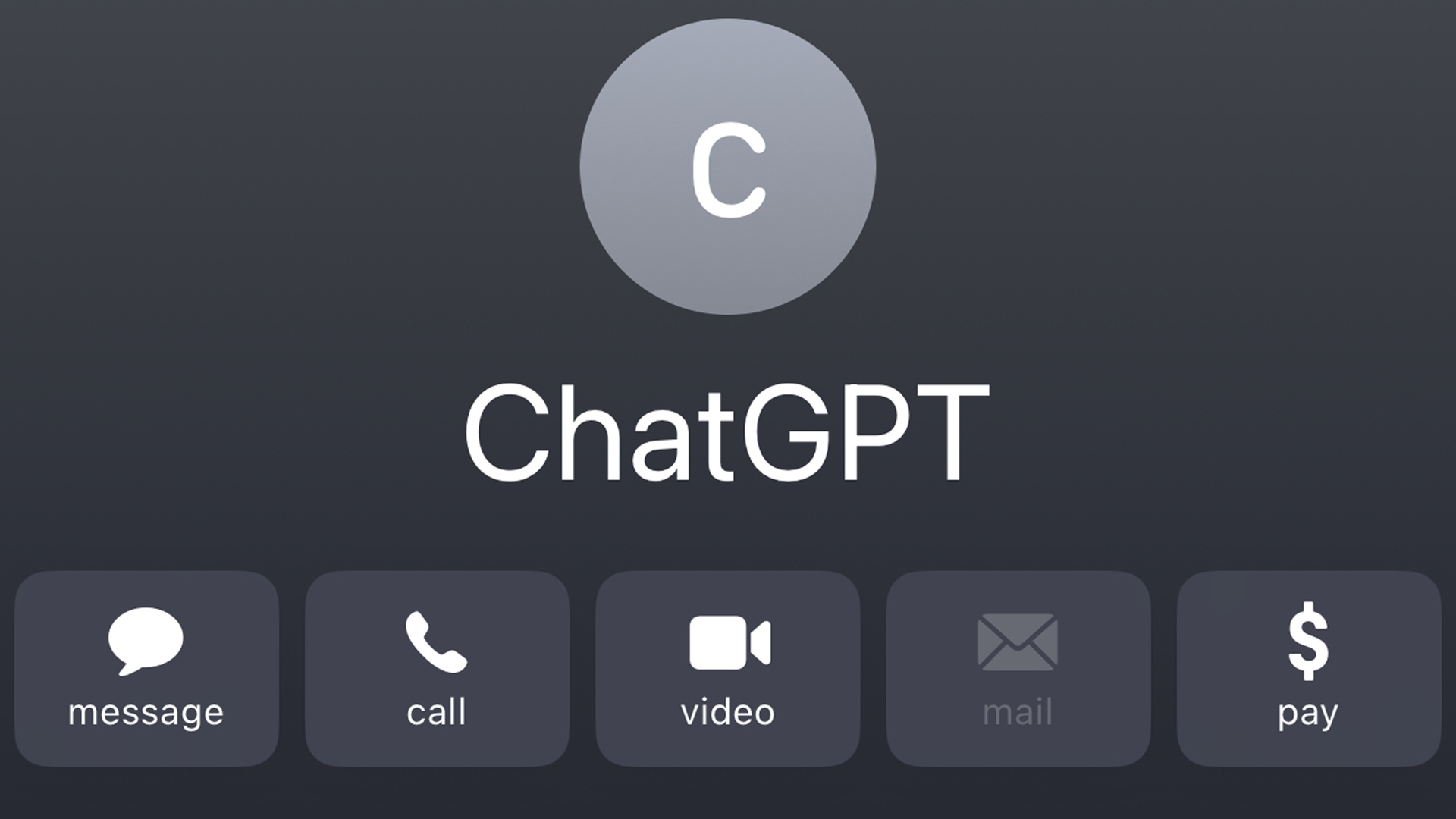
The landscape of artificial intelligence interaction has taken an intriguing turn with the introduction of a phone line for ChatGPT. This innovative move by OpenAI allows users to engage with the AI chatbot not through text or in-app voice commands, but through a traditional phone call, establishing a fascinating bridge between cutting-edge technology and age-old communication methods. Dialing 1-800-ChatGPT (1-800-242-8478) in the United States connects users directly to the AI, which speaks in a remarkably human-like voice, creating an experience akin to conversing with an unusually cheerful automated call system. While the service isn’t yet available outside the US, its potential impact on how users interact with AI is significant.
This novel approach to AI interaction carries a distinctive set of advantages. ChatGPT itself highlights the increased accessibility and personal feel of a phone conversation, especially for those who prefer verbal communication over typing. The AI suggests common uses for the phone line, ranging from technical support and setting reminders to answering trivia questions, practicing languages, and simply engaging in casual conversation. This versatility positions the phone line as a potentially valuable tool for a diverse range of users, including those who may find app-based interactions challenging. It even offers a surprising element of social connection, injecting a touch of humor with its ability to tell jokes, albeit not particularly award-winning ones.
The phone-based interaction doesn’t come without its limitations, however. A key constraint is the 15-minute time limit per phone number per month, restricting the length and depth of potential conversations. This makes the service more suitable for shorter interactions, such as getting quick answers, practicing specific skills, or seeking brief assistance rather than extended discussions or complex inquiries. Furthermore, the service records conversations for safety and review purposes, a factor users should be aware of before sharing sensitive information.
Beyond the phone line, OpenAI has also extended ChatGPT’s reach to WhatsApp. By saving the same number (1-800-242-8478) as a contact, users can text ChatGPT directly through the messaging platform, offering another convenient avenue for interaction. This integration provides a familiar and readily accessible interface for those already accustomed to WhatsApp, further broadening ChatGPT’s user base. However, like the phone service, WhatsApp interactions have a daily message limit, which may be adjusted based on demand and capacity. OpenAI also stores WhatsApp messages for a limited time for safety and abuse prevention, with the possibility of human review.
Both the phone line and WhatsApp integration significantly expand the accessibility of ChatGPT, catering to different communication preferences and technological comfort levels. While the phone line offers a more personal and direct experience, WhatsApp provides a familiar and convenient platform for text-based interactions. These developments represent OpenAI’s ongoing efforts to make AI more integrated into everyday life, providing versatile tools that cater to diverse needs and communication styles.
For those concerned about data privacy, OpenAI offers a procedure for requesting the deletion of personal data. Users can submit privacy requests through a dedicated online portal or via email. While the portal currently handles specific types of requests, OpenAI is actively working to expand its functionality. This commitment to data privacy provides a level of control and transparency, allowing users to manage their information and engage with ChatGPT with greater peace of mind. The availability of these privacy options underscores the importance of responsible AI development, balancing technological advancement with user rights and data protection.