



Artificial Intelligence: A New Frontier in IVF Treatment
In vitro fertilization (IVF) has long been a beacon of hope for couples and individuals struggling with infertility. However, the procedure is costly, emotionally taxing, and often accompanied by a disappointingly low success rate. Now, a groundbreaking application of artificial intelligence (AI) is poised to revolutionize IVF, offering a significant boost to pregnancy rates and potentially transforming the landscape of reproductive medicine. The technology, which intelligently matches the strongest sperm with the highest quality eggs, has already resulted in a successful pregnancy for a 36-year-old woman in London, marking a significant milestone and sparking excitement within the fertility community.
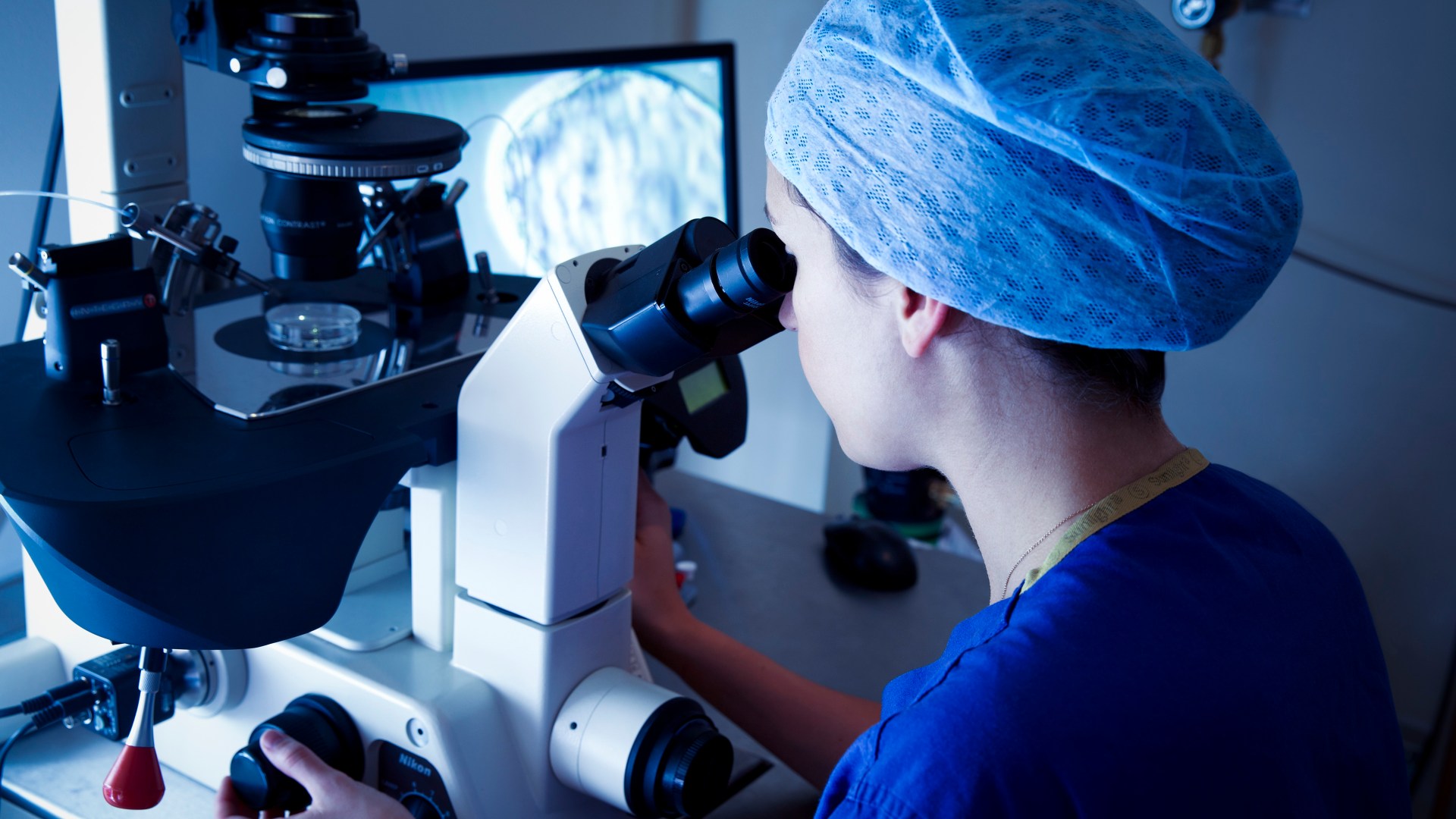
Traditional IVF procedures rely heavily on the subjective assessment of embryologists who visually analyze sperm and eggs under a microscope, selecting those that appear morphologically sound and exhibiting healthy movement patterns. This process, while effective to a degree, is inherently limited by human perception and the sheer volume of data involved. AI, on the other hand, possesses the capability to analyze vast datasets and intricate patterns with unparalleled speed and accuracy. The AI program employed in this novel approach analyzes sperm motility, morphology, and other critical parameters, identifying the most viable candidates with far greater precision than human observation alone. Similarly, it assesses egg quality based on various factors, optimizing the selection process for fertilization. This data-driven approach promises to increase the chances of successful fertilization and embryonic development, ultimately leading to higher pregnancy rates.
The implications of this AI-powered IVF are far-reaching. For couples who have endured the emotional and financial strain of repeated IVF failures, this technology offers a renewed sense of hope. The potential for improved success rates could significantly reduce the number of IVF cycles required, lessening the financial burden and the emotional toll on patients. Furthermore, by streamlining the selection process, AI can optimize resource utilization within fertility clinics, potentially making IVF more accessible to a wider range of individuals. The technology’s ability to rapidly analyze large datasets unlocks new avenues for research and understanding of reproductive health, paving the way for further advancements in fertility treatments.
The first successful pregnancy achieved through this AI-assisted IVF is a testament to the technology’s potential. Elena, a 36-year-old woman from South London, is now 23 weeks pregnant, attributing her success to the “incredible” technology she describes as a “miracle.” Her experience showcases the tangible benefits of AI in IVF, offering a powerful example of how innovation can translate into real-world success. The clinic where Elena’s treatment was conducted, Avenues Fertility Clinic in London, highlights the significant difference between traditional sperm selection and the AI-driven approach. While traditional methods focus on visual assessment of sperm shape and movement, AI delves deeper, analyzing more subtle indicators of sperm health and viability, providing a more comprehensive and accurate evaluation.
However, as with any new technology, particularly in the sensitive field of reproductive medicine, it is crucial to proceed with cautious optimism. While the initial results are promising, more extensive clinical trials are necessary to fully validate the effectiveness and safety of AI-driven IVF. Long-term studies are required to assess the health of babies born through this procedure and to identify any potential risks associated with the technology. Ethical considerations surrounding the use of AI in reproduction also warrant careful discussion and regulation. Questions about data privacy, informed consent, and the potential for bias in algorithmic decision-making must be addressed to ensure responsible and equitable implementation of this technology.
Despite these considerations, the potential benefits of AI in IVF are undeniable. By enhancing the precision and efficiency of sperm and egg selection, this technology offers a new pathway to parenthood for those struggling with infertility. As further research and development refine the technology and address ethical concerns, AI-powered IVF promises to revolutionize the fertility landscape, offering hope and new possibilities for individuals and couples seeking to build families. This advancement signifies a significant leap forward in reproductive medicine, marking a new era where cutting-edge technology intersects with the deeply human desire for parenthood. The successful pregnancy of Elena serves as a powerful reminder of the transformative potential of technology and the unwavering pursuit of solutions to some of life’s most challenging obstacles.