


Dartitis, a debilitating psychological condition affecting darts players of all skill levels, manifests as a sudden inability to release the dart. Coined in 1981, the term describes a mental block stemming from a fear of missing the target. This performance anxiety can lead to the loss of fine motor skills and muscle memory, significantly impacting a player’s game. High-profile cases, including five-time world champion Eric Bristow and rising star Beau Greaves, highlight the pervasiveness of this condition, which can leave players struggling on stage, sometimes even in tears. One memorable instance involved Berry van Peer during the 2017 Grand Slam of Darts, where he was visibly distressed and unable to throw, receiving support from his opponent, Gary Anderson, and the referee.
Van Peer’s experience offers insight into the challenges and eventual recovery from dartitis. He emphasized the importance of persistent practice, focusing on past successes, and visualizing the desired outcome before each throw. Breathing techniques and rebuilding confidence also played crucial roles in his journey. His brother provided unwavering support during practice sessions, patiently waiting as Van Peer worked through his throwing difficulties, demonstrating the importance of a strong support system. Van Peer attributed the onset of his dartitis to heightened anxiety and an overreaction to external stimuli, which disrupted his focus and triggered the mental block.
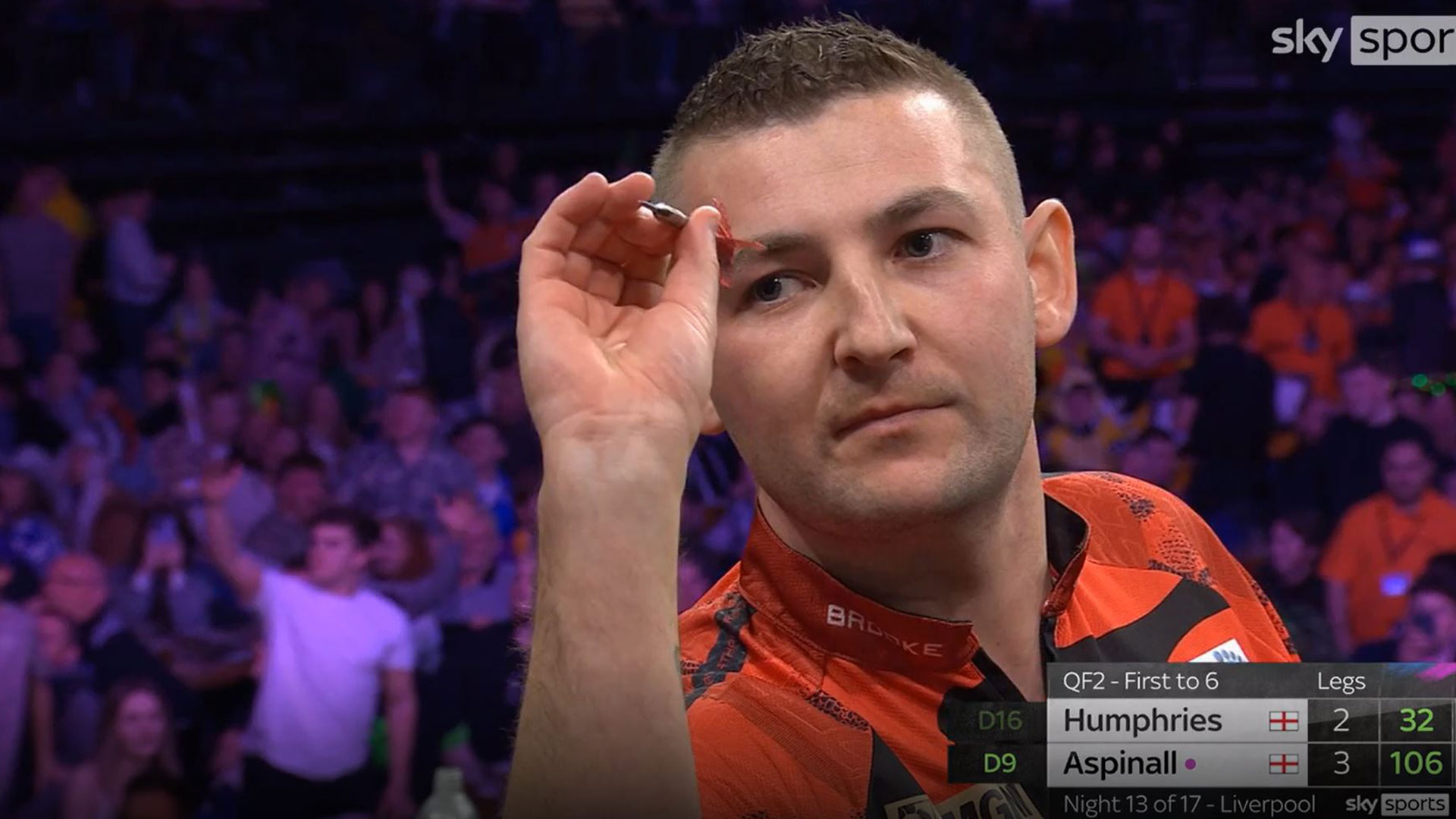
Nathan Aspinall, a top-ranked player, also bravely shared his struggle with dartitis, which surfaced during a 2023 Premier League match. He described the experience as a sudden inability to release the dart due to an overwhelming fear of missing. This psychological barrier led to a loss of control and visible frustration, ultimately affecting the outcome of the game. Aspinall’s candid account revealed the intense emotional turmoil associated with dartitis, describing his post-match distress and the realization that he was facing the dreaded “D-word.” He sought help from a sports psychologist and developed coping mechanisms to manage the condition. His experience underscores the significant impact dartitis can have on even the most seasoned professionals.
Dartitis, often referred to as the “yips” or “jitters” in other sports, is a complex psychological phenomenon that affects the intricate connection between the mind and body. While the exact mechanisms are not fully understood, it is widely believed that performance anxiety and the pressure to perform flawlessly can trigger this debilitating condition. The fear of failure can disrupt the finely tuned motor skills required for accurate dart throwing, leading to a loss of control and consistency. The public nature of darts, with its large audiences and televised matches, can exacerbate the pressure and contribute to the development of dartitis.
The impact of dartitis extends beyond missed throws and lost matches. The psychological toll can be significant, leading to frustration, self-doubt, and even depression. Players may experience a loss of confidence, impacting their overall well-being and enjoyment of the sport. The stigma associated with dartitis can also make it difficult for players to seek help, fearing judgment or ridicule from peers and fans. Openly discussing the condition, as Aspinall and Van Peer have done, helps to destigmatize dartitis and encourage others to seek support.
Various approaches are employed to manage and overcome dartitis. Working with a sports psychologist can help players identify the underlying causes of their anxiety and develop coping strategies. Cognitive-behavioral therapy (CBT) can be particularly effective in addressing negative thought patterns and building resilience. Relaxation techniques, such as deep breathing exercises and mindfulness meditation, can help players manage their anxiety levels and regain control over their physical responses. Hypnotherapy has also been used to address the subconscious factors contributing to dartitis. In addition to these psychological interventions, some players explore changes in throwing technique or equipment to regain their confidence and fluidity of motion. Ultimately, a multi-faceted approach that addresses both the mental and physical aspects of the game is often the most effective strategy for overcoming dartitis. The support of family, friends, and fellow players is also crucial in helping individuals navigate this challenging condition and regain their enjoyment of the sport.