

Neil Young’s Withdrawal from Glastonbury 2025: A Clash of Principles and Corporate Influence
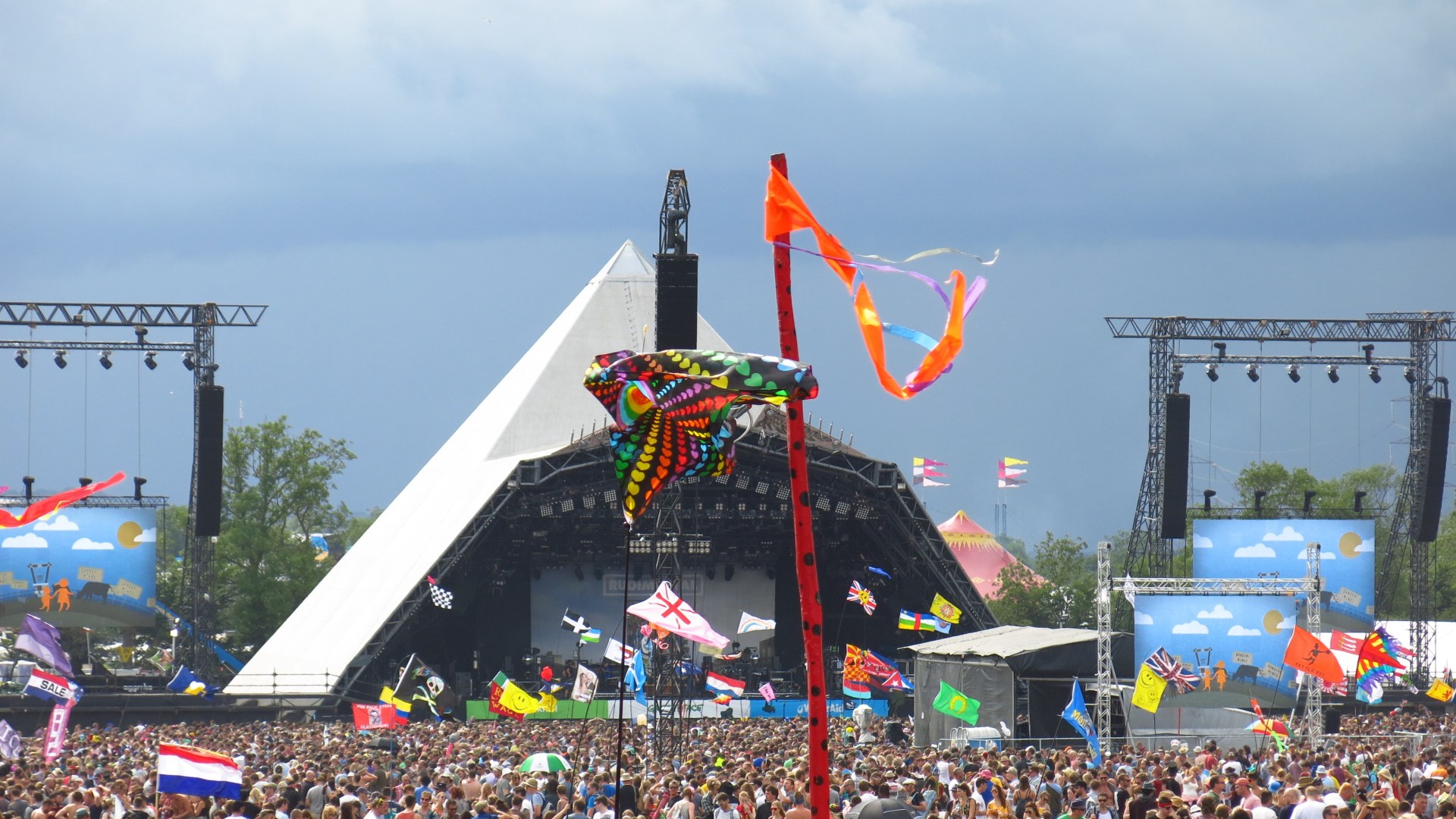
The music world was abuzz with anticipation for Glastonbury 2025, with rumors of legendary artists gracing the iconic Pyramid Stage. Among the most anticipated was Neil Young, a rock and roll icon whose presence would have marked a triumphant return after 16 years. However, this highly anticipated reunion was abruptly cancelled, leaving fans disappointed and prompting a heated debate about the festival’s direction. Young, known for his outspoken nature and unwavering principles, publicly denounced Glastonbury’s alleged shift towards corporate control, citing the BBC’s involvement as a primary factor in his decision. This unexpected turn of events cast a shadow over the festival’s image, raising questions about artistic integrity and commercialization within the music industry.
Young’s statement, published on his website, expressed his initial enthusiasm for performing at Glastonbury, a festival he held in high regard. He described it as one of his all-time favorite outdoor gigs, highlighting the unique atmosphere and energy that had drawn him back. However, his tone shifted dramatically as he revealed the reasons behind his withdrawal. He claimed that the BBC, as a new partner of Glastonbury, demanded certain concessions and collaborations that conflicted with his artistic principles. He perceived these demands as indicative of a larger shift within the festival, a move towards corporate control that he found deeply troubling and incompatible with his vision of Glastonbury’s essence. This perceived “corporate turn” ultimately led to his decision to pull out, leaving a void in the lineup and sparking a conversation about the evolving landscape of music festivals.
Young’s accusations of corporate influence touched a nerve within the music community. Glastonbury, long celebrated for its eclectic lineup and counter-cultural roots, has faced increasing scrutiny in recent years regarding its growth and commercial partnerships. While the festival organizers maintain their commitment to artistic diversity and independence, the inclusion of major broadcasters like the BBC inevitably brings a degree of corporate involvement. This partnership, while potentially beneficial in terms of wider reach and accessibility, also raises concerns about artistic compromise and the potential for homogenization. Young’s withdrawal brought these concerns to the forefront, forcing a critical examination of the delicate balance between artistic integrity and commercial viability in the festival landscape.
The BBC’s partnership with Glastonbury represents a broader trend within the music industry, where media conglomerates play an increasingly influential role. This influence can manifest in various ways, from shaping artist selection and performance requirements to influencing the overall presentation and marketing of events. While these partnerships can provide valuable resources and exposure for artists, they can also create pressure to conform to specific formats and expectations, potentially stifling creativity and independent expression. Young’s stance highlights the inherent tension between artistic autonomy and the demands of a commercially driven industry. His refusal to compromise his principles serves as a stark reminder of the importance of safeguarding artistic integrity in the face of corporate influence.
The cancellation of Young’s performance also brought attention to his previous health struggles, which had forced him to cancel tour dates in the preceding year. He acknowledged these health issues in his statement, emphasizing that his decision to withdraw from Glastonbury was not solely based on his concerns about corporate influence but also stemmed from a need to prioritize his well-being. This added layer of complexity underscored the personal and professional considerations that factored into his decision. While he expressed disappointment about the missed opportunity to reconnect with his fans at Glastonbury, he emphasized the importance of prioritizing his health and recovery, further solidifying his commitment to his well-being above all else.
Despite the controversy surrounding Young’s withdrawal, Glastonbury 2025 went ahead as planned, with a diverse lineup that featured both established and emerging artists. While the absence of a legendary figure like Neil Young was undoubtedly felt, the festival continued to draw massive crowds and generate significant media attention. The incident, however, served as a catalyst for ongoing discussions about the evolving nature of music festivals, the role of corporate sponsorships, and the delicate balance between artistic integrity and commercial success. Young’s principled stance resonated with many within the music community, reminding artists and audiences alike of the importance of protecting artistic freedom and challenging the growing influence of corporate interests in the world of music.