



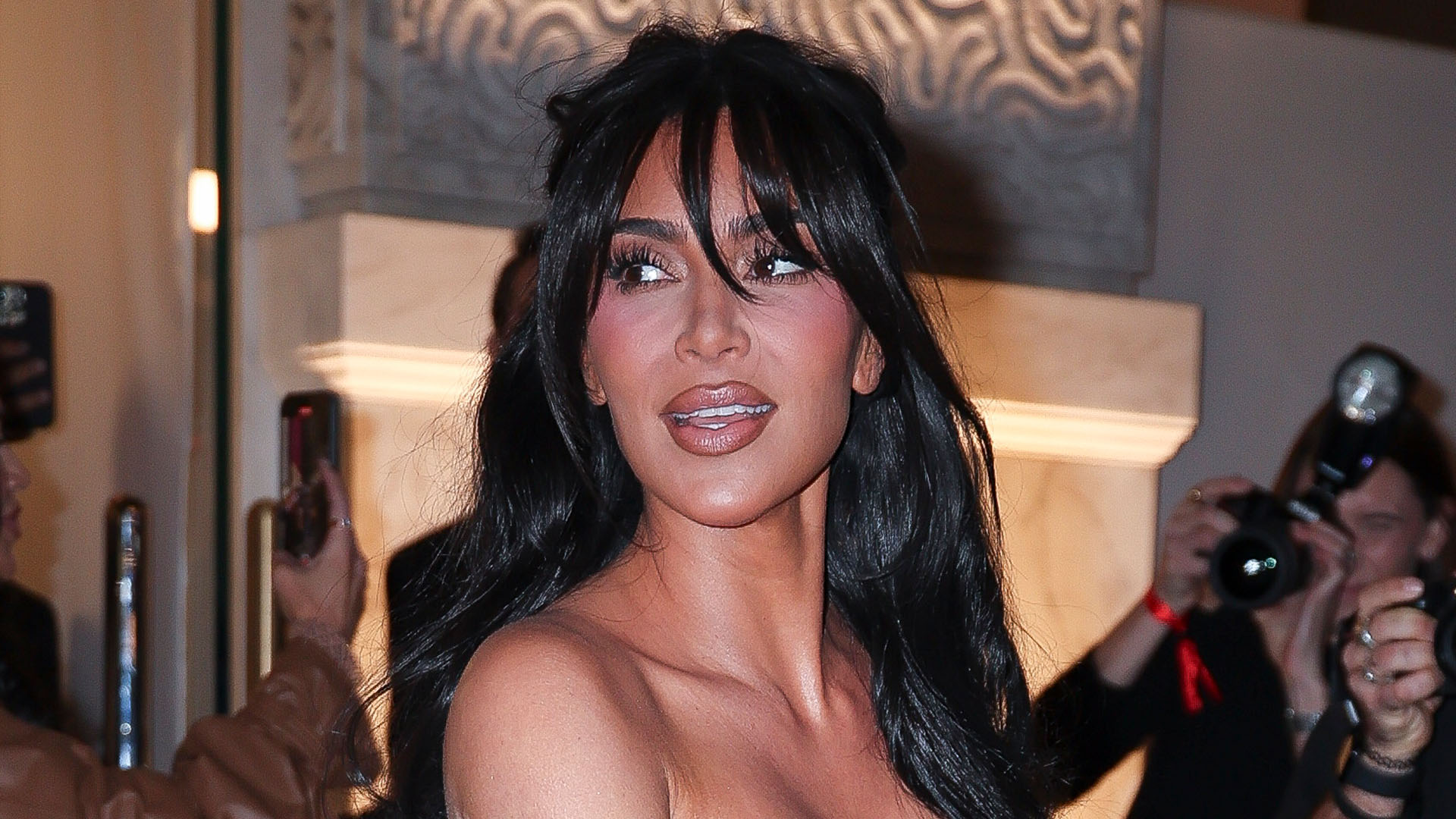
Kim Kardashian’s recent appearance at the grand opening of her SKIMS flagship store in New York City sparked a wave of online criticism and concern, not for her fashion choices, but for her seemingly reckless disregard for her own health. Sporting a fashionable ensemble of a white bustier and fitted trousers, accessorized with a miniature handbag and thematic nail art, Kardashian’s attire was overshadowed by her decision to wear high heels despite a recently announced broken foot. This choice, deemed by many as baffling and irresponsible, saw her navigating the event on a knee scooter, a stark contrast to her glamorous image and a visual representation of her apparent prioritization of appearance over well-being. Social media platforms, particularly Reddit, became a forum for expressing disapproval, with users questioning the logic behind risking further injury for a relatively unremarkable look, urging her to prioritize healing and questioning her judgment. The incident highlighted a potential disconnect between Kardashian’s public persona and the practical realities of physical limitations, prompting a discussion about the pressures of maintaining appearances, even at the expense of personal health.
The criticism surrounding Kardashian’s decision to wear heels while using a knee scooter for a broken foot stems from several interconnected concerns. Primarily, there’s the obvious risk of exacerbating the injury or causing further damage. A broken foot requires immobilization and proper support to heal correctly, and wearing high heels, which shift weight distribution and place strain on the foot, directly contradicts this fundamental principle of recovery. Furthermore, the act of balancing on a scooter while wearing heels presents an additional safety hazard, increasing the likelihood of losing balance and potentially causing further injury. Beyond the physical risks, Kardashian’s choice also fueled accusations of prioritizing superficial appearances over health and well-being, a sentiment that resonates with a broader cultural critique of the pressure to maintain a flawless image, even in the face of adversity. The incident sparked a conversation about the potential influence of celebrity culture on perceptions of beauty and health, highlighting the potential for unrealistic expectations and potentially harmful behaviors.
The online reaction to Kardashian’s appearance quickly escalated from expressions of concern to outright condemnation, reflecting a growing frustration with what many perceived as a blatant disregard for common sense and medical advice. Comments ranged from bewildered inquiries about her footwear choice to accusations of attention-seeking behavior and reckless disregard for her own health. The incident also highlighted a perceived disconnect between Kardashian’s public image as a successful businesswoman and influencer and her seemingly irresponsible personal choices. This disconnect fueled the narrative that her appearance at the store opening, despite her injury, was driven more by a desire to maintain her public profile and promote her brand than by genuine enthusiasm for the event itself. The incident served as a focal point for broader discussions about the pressures and expectations faced by public figures, particularly in the age of social media scrutiny.
The SKIMS store opening, a significant milestone in Kardashian’s business ventures, was intended to be a celebratory occasion, marking the expansion of her successful shapewear brand. The event, held in a sprawling 6,570 square foot space in Midtown Manhattan, attracted a star-studded guest list, including celebrities like Paris Hilton, Cardi B, Ice Spice, and Ciara. However, the focus quickly shifted from the store itself to Kardashian’s injury and her controversial choice of footwear. This shift in focus, while unintentional, underscored the power of social media and the public’s fascination with celebrity missteps. It also highlighted the delicate balance between maintaining a public image and acknowledging personal vulnerabilities, a challenge particularly relevant for individuals in the public eye. The incident ultimately transformed the store opening into a platform for discussions about celebrity culture, personal responsibility, and the often-blurred lines between public image and private life.
Kardashian’s broken foot, announced just a week prior to the store opening, added another layer of complexity to the situation. While the exact circumstances surrounding the injury remain undisclosed, the timing raised questions about the decision to attend the event at all. Some speculated that the injury might have been exacerbated by her insistence on wearing heels, while others questioned the necessity of her presence, given the potential risks involved. The incident also drew attention to Kardashian’s previous injury, a broken finger earlier in the year, which she described as more painful than childbirth. This history of injuries further fueled concerns about her apparent disregard for her physical well-being and the potential long-term consequences of such choices. The cumulative effect of these incidents painted a picture of someone seemingly prioritizing appearances over health, contributing to the narrative of recklessness and irresponsibility that dominated the online discourse.
The controversy surrounding Kardashian’s appearance at the SKIMS store opening highlights the complex intersection of celebrity culture, social media, and personal responsibility. Her decision to wear heels despite a broken foot, while ostensibly a personal choice, became a public spectacle, dissected and debated across various online platforms. The incident served as a reminder of the intense scrutiny faced by public figures, particularly in the age of social media, where every action is subject to public commentary and critique. It also underscored the potential for seemingly minor choices to become amplified and interpreted as indicative of larger character flaws or societal trends. The incident ultimately sparked a broader conversation about the pressures of maintaining a public image, the influence of celebrity culture on perceptions of beauty and health, and the importance of prioritizing personal well-being, even in the face of external expectations.