



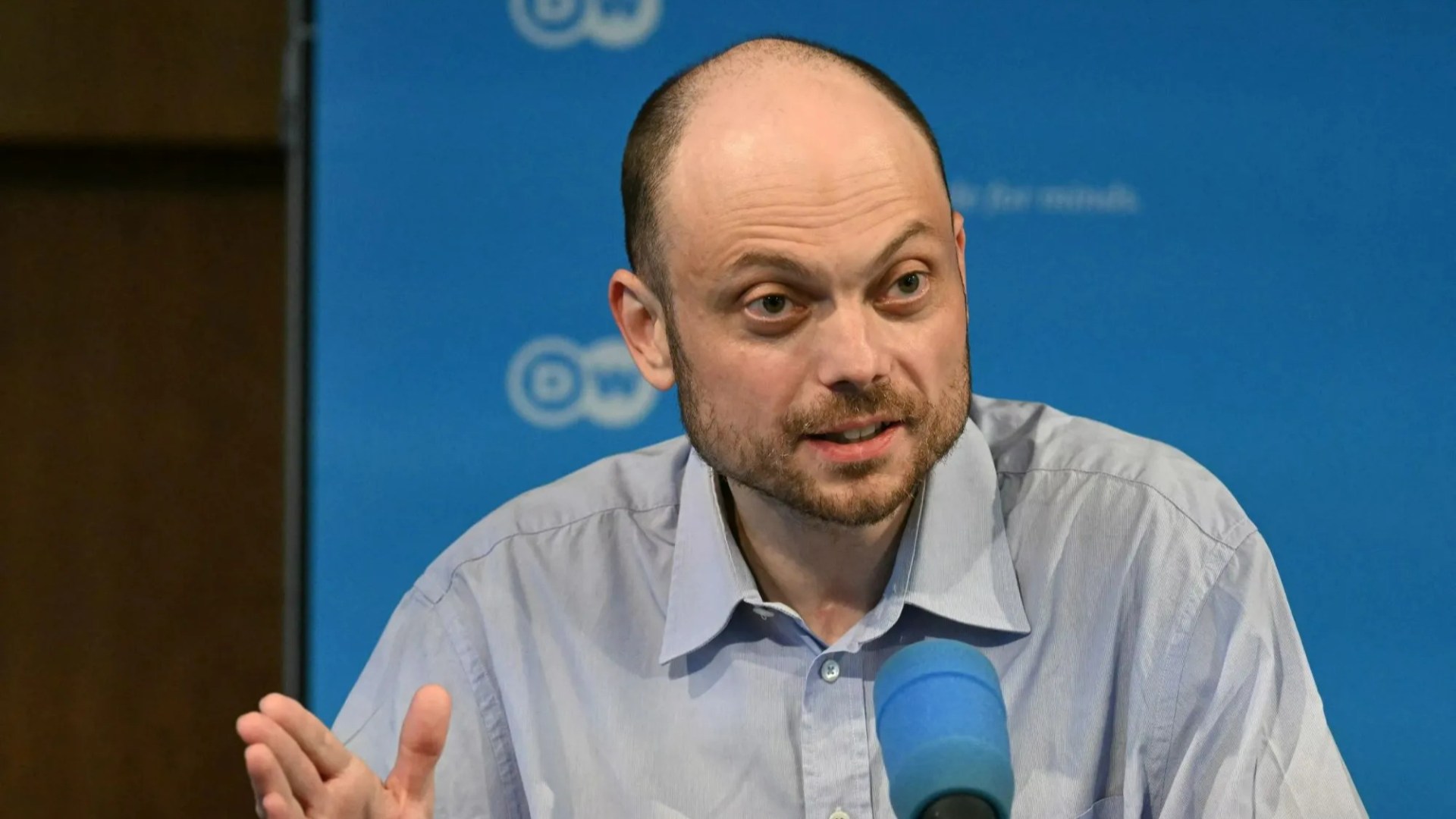
The Suspected Poisoning of Elena Gordon: A Deep Dive into the Incident and its Implications
Elena Gordon, the mother of prominent British-Russian dissident Vladimir Kara-Murza, was recently hospitalized in Berlin under suspicion of poisoning. This incident immediately raised alarms, given the history of assassination attempts targeting Putin’s critics, including two previous poisonings of her son. Gordon reported her suspicions to medical authorities, prompting a swift response from Berlin police who launched an investigation into attempted murder. While initial toxicology screenings were inconclusive, the gravity of the situation led doctors to treat her as a potential poisoning victim as a precautionary measure. This incident unfolds against the backdrop of heightened tensions between Russia and the West, and adds another layer of complexity to the already fraught relationship.
Vladimir Kara-Murza, a vocal critic of the Putin regime, has been a target of the Russian government for years. He was sentenced to 25 years in prison on what are widely considered to be politically motivated charges, only to be unexpectedly released in a prisoner exchange in August. His release, however, did not mark the end of his ordeal or the threats against him and his family. The suspected poisoning of his mother underscores the persistent danger faced by those who dare to oppose the Kremlin, even beyond Russia’s borders. This incident serves as a chilling reminder of the lengths to which the Russian government may go to silence dissent, extending its reach far beyond its own borders.
The circumstances surrounding Gordon’s hospitalization are still under investigation. While no definitive evidence of poisoning has been found, the possibility remains a serious concern given the context of previous attacks on Kara-Murza. The fact that German authorities are treating the case as a potential attempted murder underscores the gravity of the situation and the potential implications for international relations. The incident raises crucial questions about the safety of dissidents and their families, even in countries that offer them refuge. It highlights the ongoing struggle between authoritarian regimes and those who fight for democratic values and freedom of speech.
The history of poisonings and assassinations linked to the Russian government casts a long shadow over this incident. From the infamous poisoning of Alexander Litvinenko with polonium-210 in London to the attempted assassination of Sergei Skripal and his daughter with a Novichok nerve agent in Salisbury, the Kremlin has been implicated in a series of brazen attacks on its perceived enemies abroad. These incidents have strained international relations and led to widespread condemnation of the Russian government’s actions. The suspicion surrounding Gordon’s illness inevitably evokes these past events, raising concerns about a potential pattern of state-sponsored violence against dissidents and their families.
The case of Vladimir Kara-Murza himself provides a stark example of the risks faced by those who challenge the Russian government. His two previous poisonings, both of which nearly cost him his life, demonstrate the lengths to which the Kremlin is willing to go to silence its critics. The fact that he was subsequently imprisoned on trumped-up charges further underscores the dangers he faces. The suspected poisoning of his mother now raises the chilling possibility that the Russian government may be targeting not only dissidents themselves, but also their families, in an attempt to intimidate and silence them.
This incident has significant implications for international relations and the ongoing tensions between Russia and the West. If it is determined that the Russian government was involved in the suspected poisoning of Elena Gordon, it will likely lead to further condemnation and potentially new sanctions against Russia. The incident also raises questions about the safety of dissidents and their families living abroad, and the need for greater international cooperation to protect them from such threats. The case of Elena Gordon highlights the ongoing struggle between authoritarianism and democratic values, and the need for continued vigilance in defending freedom of speech and the right to dissent. It serves as a stark reminder of the dangers faced by those who challenge oppressive regimes and the importance of holding those responsible for such attacks accountable.